10 Best Stainless Steel Fittings for Global Buyers?
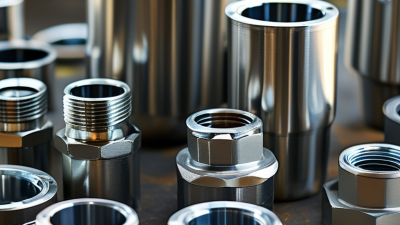
Choosing the right stainless steel fittings is rarely a simple catalog exercise. Global buyers must examine alloy grade, pressure rating, connection type, surface finish, and traceability. A fitting may look polished and still fail in a chloride-rich coastal plant.
John C. Lippold, a recognized welding metallurgy expert, has emphasized that “stainless steel is a family of alloys, not one universal material.” That principle matters when comparing elbows, tees, couplings, adapters, and hygienic fittings. Grade 304 may suit many indoor water systems. Grade 316 or a higher-alloy option can provide better resistance in marine, chemical, or pharmaceutical environments. Yet grade alone is not enough.
Details decide performance.
Buyers should request material certificates, dimensional records, pressure-test evidence, and manufacturing information. Thread accuracy also matters. A small mismatch can cause leakage, wasted installation time, or an expensive shutdown. Welded fittings need controlled procedures and clean preparation. Forged fittings may offer useful strength, but their value depends on design and manufacturing quality.
This guide reviews ten practical stainless steel fittings for international purchasing teams. It considers application fit, durability, documentation, installation, and supplier consistency. The ranking is useful, but not absolute. That is an important limitation. A fitting suitable for a food-processing line may be wrong for seawater service. Regional standards and project specifications can also change the final choice.
Experienced buyers learn from failed assumptions. They inspect the details before approving the shipment. That habit protects both performance and budget.
How to Rank the 10 Best Stainless Steel Fittings by Alloy and Service
The 10 best stainless steel fittings should be ranked by alloy performance and service conditions, not popularity.
The International Stainless Steel Forum reported 58.4 million tonnes of stainless crude steel production in 2023. This growth reflects wider use in chemical, food, energy, and water systems.
For mild indoor service, 304 fittings offer practical corrosion resistance and easy fabrication. In chloride exposure, 316L ranks higher because molybdenum improves resistance to localized corrosion.
Duplex 2205 deserves a stronger position where pressure, chloride, and mechanical loading overlap. Super-austenitic grades, such as 6Mo alloys, suit severe marine or process environments, but their higher cost requires a clear life-cycle justification.
Alloy selection must match temperature, concentration, flow velocity, and cleaning chemicals.
Service validation should follow recognized requirements.
ASTM A182 supports material control for forged stainless fittings, while ASME B16.11 defines dimensions and pressure classes for many forged fittings. For sour-service applications, NACE MR0175/ISO 15156 adds limits for cracking risks and material conditions.
Practical buyers should request positive material identification, heat-lot records, ferrite checks for duplex grades, and pressure-test documentation.
Small details matter. A fitting can pass a visual inspection yet fail in chloride-rich water. The ranking is not perfect; operating data may be incomplete, and laboratory corrosion results rarely reproduce every field condition.
Top 10 Fitting Types: 304, 316, NPT, BSP, and Socket-Weld Designs
10 Best Stainless Steel Fittings for Global Buyers
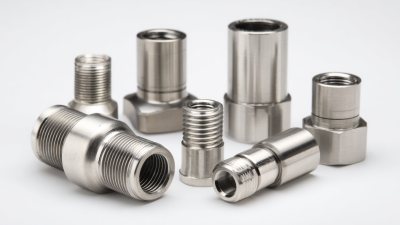
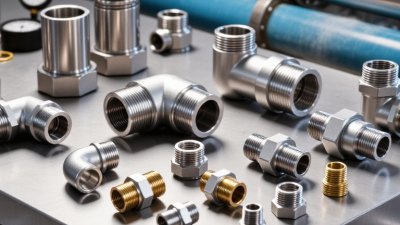
Choosing stainless steel fittings starts with the fluid, pressure, temperature, and installation method. The ten most useful options include 304 elbows, tees, reducers, couplings, unions, caps, and threaded adapters. These shapes handle common routing and maintenance needs. Grade 304 suits clean water, air, and many indoor process lines. Grade 316 offers stronger resistance to chlorides, salt spray, and several chemical environments.
Connection standards require closer attention. NPT fittings use a tapered thread common in North American systems. BSP fittings follow British thread conventions and are not automatically interchangeable with NPT. They may look similar. They are not the same. Socket-weld elbows, tees, couplings, and reducers create compact, strong joints after welding. This design works well where vibration, limited space, or higher system integrity matters.
Always verify thread form, tube schedule, wall thickness, pressure rating, and operating temperature before purchasing. Request material certificates and inspect markings on arrival. A 316 fitting can still fail in an unsuitable service environment. I have also seen buyers select 304 because the price looked attractive, then replace it near coastal equipment. That decision was not completely unreasonable, but the exposure was underestimated. Gaskets, weld quality, and surface finish deserve equal scrutiny. Small mismatches become expensive leaks.
10 Best Stainless Steel Fittings for Global Buyers
Top 10 fitting types in 304 and 316 stainless steel, covering NPT, BSP, socket-weld, and butt-weld designs.
How to read this chart: The values show the approximate upper nominal pipe size covered by the main dimensional standards commonly associated with each fitting design. ASME B16.9 butt-weld fittings extend to NPS 48, while ASME B16.11 forged socket-weld and threaded fittings generally extend to NPS 4. Actual availability depends on the material grade, pressure class, schedule, and supplier specification.
Pressure Ratings from ASME B16.5 Class 150 to Class 2500
10 Best Stainless Steel Fittings for Global Buyers?
Pressure Ratings from ASME B16.5 Class 150 to Class 2500
Global buyers often compare ten practical fitting forms: elbows, tees, reducers, crosses, caps, unions, couplings, nipples, stub ends, and flanged adapters. Selection should begin with pressure, temperature, fluid chemistry, and connection type. ASME B16.5 governs flanges and flanged fittings, not every stainless fitting category. Butt-weld fittings usually follow ASME B16.9. That distinction prevents costly specification errors.
At approximately 100°F, ASME B16.5 tables rate many common stainless flange materials near 275 psi for Class 150. Class 300 reaches about 720 psi, while Class 600 approaches 1,440 psi. Class 900, 1500, and 2500 rise to roughly 2,160, 3,600, and 6,000 psi. These values change with material group and temperature. Never treat class numbers as universal working pressures. It is an easy mistake.
World Stainless reported global crude stainless steel production of about 58.4 million tonnes in 2023. That scale increases demand for reliable process connections across energy, water, food, and chemical facilities. In field inspections, corrosion often begins at poorly matched gaskets, welds, or threaded joints. Material certificates, PMI testing, and pressure-test records add useful confidence. Still, paperwork can miss installation damage. I would specify corrosion allowance and inspect the first shipment carefully, especially when moving from Class 150 to Class 2500 service.
Global Standards: ASTM A351, EN 10204, ISO 49, and CE Compliance
For global buyers comparing the 10 best stainless steel fittings, certification often matters more than surface polish. The ISSF 2024 statistics reported global stainless steel production of about 62 million tonnes in 2024. This scale increases material choices, but also increases traceability risks. ASTM A351 identifies pressure-containing austenitic castings, not every finished fitting. Buyers should verify grade, heat number, pressure rating, and casting records.
EN 10204 defines inspection-document levels, including 3.1 certificates with batch-specific results. Ask for chemical analysis, mechanical values, and traceability matching the delivered cartons. ISO 49 mainly covers malleable cast iron threaded fittings, so its relevance to stainless products requires careful review.
CE marking is not a general quality badge. It applies only when the product falls under relevant European legislation, such as pressure-equipment requirements. The NACE IMPACT study estimated global corrosion costs near 3.4% of GDP. Small documentation gaps can become expensive field failures.
Tips:
Match the fitting standard to its manufacturing route. Request certificates before payment. Check threads, weld ends, and pressure tests physically. No checklist is perfect. I still recommend independent inspection for critical service, especially when suppliers provide unclear CE declarations or recycled documents. Experienced buyers should also compare actual wall thickness against drawings, not only catalog values.
Buying Metrics: Corrosion Life, Size Range, MOQ, and Total Cost Value
For global buyers, stainless steel fittings should be judged by corrosion life, not purchase price alone. AMPP’s IMPACT study estimated global corrosion costs at about US$2.5 trillion annually, equal to 3.4% of global GDP. That figure makes material selection a financial decision. In coastal, chemical, or humid service, compare alloy composition, passivation quality, surface finish, and test records. A fitting that survives longer can reduce shutdowns, replacement labor, and leakage risks. Still, laboratory results are not field guarantees. Site conditions often expose weak assumptions.
Size range matters during installation. Check available diameters, wall thicknesses, pressure classes, thread standards, and dimensional tolerances against project drawings. ASTM and ISO specifications can support verification, but certificates must match the actual production batch. Small errors create expensive adapters. They happen. Request inspection records, pressure-test results, and traceability documents before approval. World Stainless reported global stainless steel crude production above 58 million tonnes in 2023, showing strong supply capacity, yet capacity does not ensure every size is immediately available.
MOQ affects cash flow and storage. A low unit price may become costly when unused fittings occupy warehouse space for years. Compare MOQ, tooling charges, packaging, freight, customs, inspection, and replacement costs. This is total cost value. Ask suppliers for a landed-cost quotation using the same delivery terms. Include corrosion maintenance over the expected service period. A practical scorecard should weight corrosion evidence, size coverage, MOQ flexibility, lead time, and documentation. I would not award the lowest quote automatically; that shortcut often overlooks installation delays and inconsistent batches.