2026 Best Industrial Network Switch Features and Benefits?
The industrial network switch plays a crucial role in modern industrial communication. According to a recent report by MarketsandMarkets, the global industrial switch market is projected to grow from $1.74 billion in 2021 to $2.72 billion by 2026, highlighting its increasing importance. This growth is fueled by the rise of Industry 4.0 and the need for robust connectivity in smart factories.
These switches offer unique features, such as rugged design and advanced security. They are built to withstand harsh environments while maintaining high performance. For instance, many industrial network switches support real-time data transmission, which is vital in monitoring and control applications. However, not all switches are created equal, and selecting the right one can be challenging. Factors like speed, port density, and redundancy can significantly impact network reliability.
As industries transition to digital networks, the importance of understanding industrial network switch features cannot be underestimated. Companies must critically assess their needs and choose the right switches. Smart investments in technology can drive efficiency, yet many still struggle to adapt. The insights provided here can guide those navigating this complex landscape.
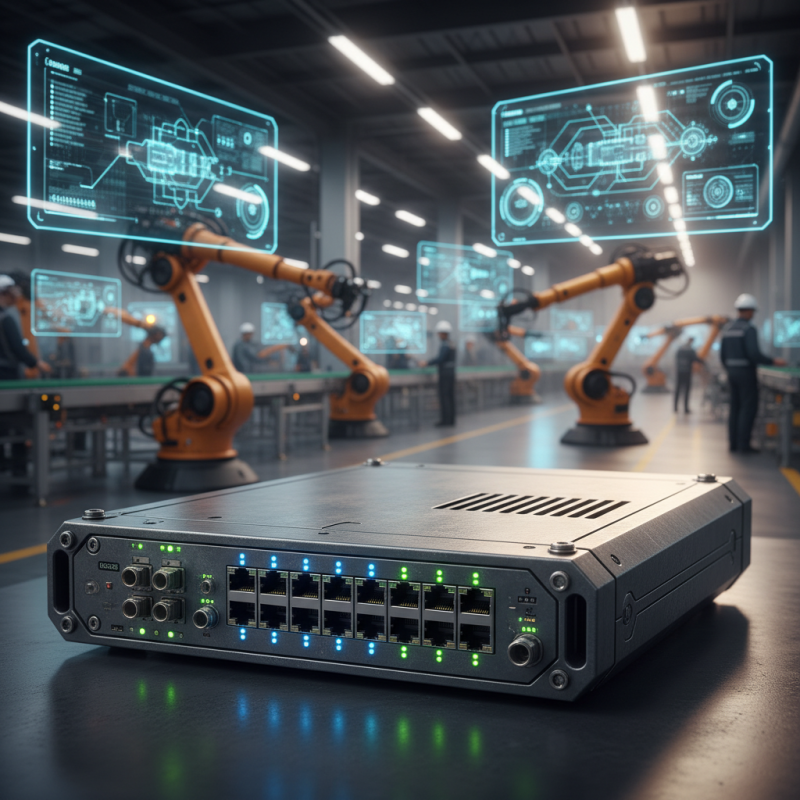
2026 Best Industrial Network Switch: Overview of Key Features
When considering the best industrial network switches for 2026, several key features stand out. Reliability is paramount. These switches offer robust build quality, designed to withstand harsh environments. Many are rated for extreme temperatures, humidity, and vibration. This durability ensures consistent operation in factories or outdoor settings. They also often have redundant power supplies. This minimizes downtime during unexpected power issues.
Speed and performance are critical. Modern industrial switches typically support high data rates. Many offer gigabit connectivity, which aids in fast data transmission. Low latency is another feature that enhances overall network performance. Additionally, advanced Quality of Service (QoS) capabilities allow for effective traffic management. This is beneficial in scenarios where various data types compete for bandwidth.
Security features are equally important. Industrial networks face unique vulnerabilities. Enhanced security protocols help protect against unauthorized access. Some switches incorporate features like port security and VLAN support. This adds another layer of protection. However, maintaining these switches can be challenging. Regular firmware updates are essential for optimal security and functionality, but they require careful planning and execution.
Performance Metrics: Throughput, Latency, and Packet Loss in 2026 Switches
In 2026, industrial network switches are set to revolutionize performance metrics. Throughput, latency, and packet loss are fundamental benchmarks. High throughput is critical for handling increasing data traffic. Reports show that switches achieving over 1 Gbps are becoming standard. This is essential for real-time applications in industrial settings.
Latency remains a crucial factor. Many organizations target latency below 1 millisecond for optimal performance. A recent study indicates that reducing latency can enhance productivity by up to 30%. Surprisingly, achieving this can be challenging. Network congestion is still a prevalent issue. If not addressed, it leads to significant delays.
Packet loss can severely impact communication quality. Research suggests that even 1% packet loss can result in noticeable disruptions. Industrial switches in 2026 aim to minimize this. Advanced error correction techniques are being integrated. There is hope for improvement, but implementation can be complex. Many facilities may struggle with outdated systems that cannot keep up. Adapting to these new standards will require effort and may expose vulnerabilities.
2026 Industrial Network Switch Performance Metrics
This chart presents the performance metrics of industrial network switches in 2026, highlighting key factors such as throughput, latency, and packet loss, which are critical for evaluating network efficiency and reliability.
Scalability Solutions: Adapting to Growing Industrial Network Demands
In the rapidly evolving world of industrial networks, scalability remains a vital concern. As businesses grow, their network requirements become more complex. A well-designed industrial network switch can adapt to these changes effortlessly. The features of these switches must support various protocols and provide numerous ports for expansion.
Scalability is not just about adding more devices. It involves seamless integration and efficient data flow. An ideal switch allows for easy upgrades without significant downtime. This adaptability can lead to challenges, such as configuration errors or temporary performance dips. Companies must be prepared to address these issues, ensuring minimal disruption during scaling.
The benefits of scalability are substantial. A scalable network can lead to improved productivity and better data management. However, businesses may struggle with unforeseen complexities. Each adjustment introduces the potential for new vulnerabilities. Continuous evaluation and adjustment of the network design are essential. This reflection ensures the network keeps pace with growing demands and remains efficient.
Security Protocols: Ensuring Data Integrity in Industrial Networks
Industrial networks are increasingly at risk. Cybersecurity threats are rising. A recent report shows that 70% of industrial sites have experienced a security breach in the past year. This alarming statistic underlines the need for robust security protocols in industrial network switches.
Security protocols play a crucial role in maintaining data integrity. Encryption techniques ensure that only authorized users can access sensitive information. Regular software updates protect against new vulnerabilities. A significant challenge is balancing security and performance. Many industrial operations require real-time data processing. Implementing heavy security measures can slow down these processes. It's a delicate balance that requires constant evaluation.
Moreover, many organizations struggle with compliance. They need to align with industry standards and regulations. Yet, more than 50% of companies do not have a dedicated cybersecurity strategy for their industrial networks. This oversight puts them at greater risk. The evolving threat landscape demands that organizations prioritize security without compromising operational efficiency.
Cost-Benefit Analysis: ROI of Upgrading to 2026 Industrial Switches
Upgrading to 2026 industrial network switches can significantly impact your operations. These switches offer faster speeds, improved reliability, and advanced security features. However, evaluating their cost-effectiveness is crucial. Higher initial costs might deter some businesses, yet the long-term benefits could outweigh these expenses.
A detailed cost-benefit analysis reveals the potential return on investment (ROI). Efficient switches reduce downtime, enhancing productivity. This can lead to substantial cost savings over time. Additionally, enhanced security features minimize risks from cyber threats, safeguarding valuable data. Businesses often overlook these aspects, focusing solely on upfront costs.
However, not all upgrades will suit every operation. It's vital to assess specific needs and current infrastructure. A hasty switch could result in wasted resources. Proper evaluation can ensure a smarter investment, optimizing both performance and costs in the long run.
2026 Best Industrial Network Switch Features and Benefits
| Feature | Benefit | Cost (USD) | Estimated ROI (%) |
| High Throughput | Supports large data transfers without bottlenecks | $1,200 | 15% |
| PoE (Power over Ethernet) | Reduces wiring costs for powered devices | $1,500 | 20% |
| Layer 3 Routing | Improves network efficiency with intelligent routing | $1,800 | 18% |
| Robust Security Features | Protects sensitive data from cyber threats | $1,000 | 25% |
| Industrial Grade Durability | Suitable for harsh environments, reducing downtime | $2,000 | 30% |