2026 Best Soap Bar Strainers What You Need to Know?
In the world of soap making, a crucial tool is the soap bar strainer. This item plays a key role in achieving the desired texture and quality of handcrafted soaps. According to expert Laura Smith, “A great soap bar strainer can elevate your creations.” Her insight highlights the importance of this tool for both novices and professionals.
When choosing a soap bar strainer, consider materials and designs. Stainless steel options offer durability, while silicone choices provide flexibility. Each type has its pros and cons. Some strainers are easy to clean, while others can be challenging. Take your time to reflect on your specific needs and preferences before making a purchase.
The market for soap bar strainers is evolving rapidly. With so many options available, it can become overwhelming. There’s no one-size-fits-all solution. Ensuring you make the right choice requires research and reflection. Choosing a quality soap bar strainer impacts your overall soap-making experience. Think carefully and invest in a tool that truly meets your needs.
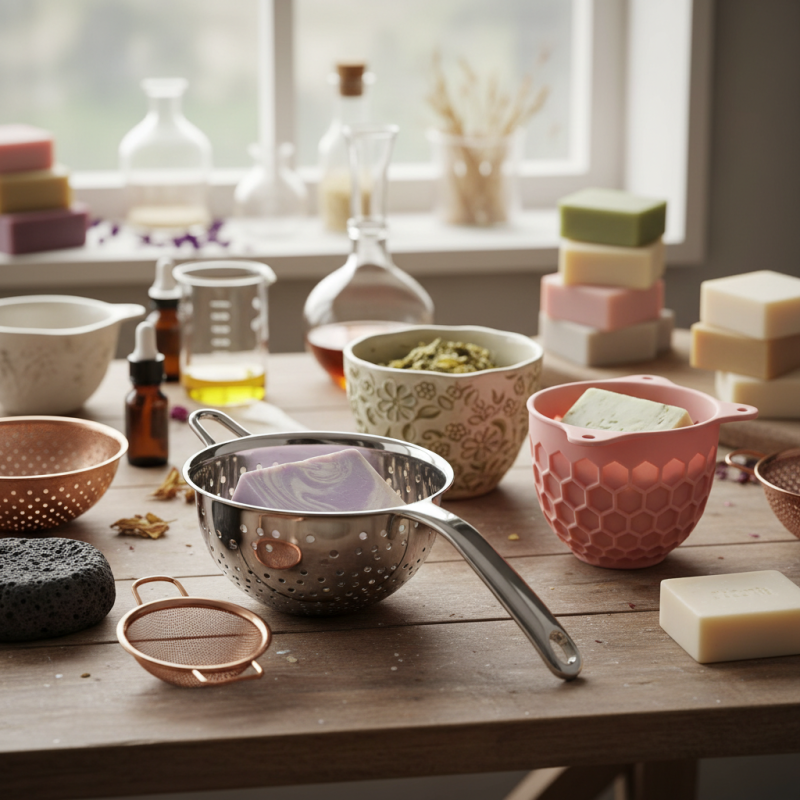
What Are Soap Bar Strainers and Their Purpose?
Soap bar strainers are essential tools for anyone interested in soap-making. These tools serve a unique purpose: they help filter out impurities and solid particles from your soap mixture. Without a strainer, your soap may contain unappealing bits that can ruin its texture. The smoothness and integrity of the finished product are crucial.
Using soap bar strainers is relatively straightforward. You simply pour your soap mixture through the strainer when it’s in liquid form. This process can be messy, though. Spills might happen, and sometimes the strainer may clog, requiring patience and frequent cleaning. Trying to avoid mistakes is part of the learning curve.
Each tool offers different sizes and types of mesh, which affects the final product’s clarity. A finer mesh ensures fewer particles but may slow down the pouring process. Sometimes, you might feel frustrated watching the liquid flow at a snail's pace. Strainers can be simple, yet they force makers to reflect on their methods and the importance of quality in craft.
Types of Soap Bar Strainers Available in 2026
When choosing soap bar strainers in 2026, it’s important to understand the types available. There are various designs, each offering specific benefits. Mesh strainers are popular for their fine netting. They effectively catch loose ingredients, ensuring a smooth soap texture. These are ideal for those who dislike gritty bits in their bars.
Another type is the silicone strainer. This material is flexible and easy to clean. It allows for creative soap shapes. However, some users find the silicone traps residue. That could mean more cleaning time. The versatility of silicone also draws in many hobbyists, but it comes with a trade-off.
Lastly, there are traditional metal strainers. These offer durability and reliability. They can withstand high temperatures and heavy mixtures. Yet, they may not catch all small particles. It's frustrating when bits slip through. Each type has its own charm and challenges. Finding the right one requires careful consideration and a bit of trial and error.
Key Features to Consider When Choosing a Soap Bar Strainer
When selecting a soap bar strainer, consider its material. Stainless steel is durable and easy to clean. Plastic options are lighter but might wear out quickly. The right material impacts longevity.
Next, look at the size. A strainer that fits your soap making equipment is crucial. If it's too small, it won’t catch everything. If it's too large, it may be cumbersome to use. Find a balance.
Also, think about ease of use. Some strainers come with handles for better grip. Others lack ergonomic design and can be hard to manage. You’ll want a tool that feels good in your hand. Test a few options before deciding. Remember, small details can make a significant impact on your soap-making process.
Benefits of Using Soap Bar Strainers in Soap Making
When making soap, using bar strainers can significantly enhance the quality of your final product. These tools help catch impurities and small particles that could ruin a smooth texture. Imagine pouring your soap mixture and seeing little clumps; that’s where a soap strainer shines. It allows for a cleaner blend and ensures your bars are aesthetically pleasing.
Another benefit of soap bar strainers is the control they provide over the final composition. Straining allows for the removal of unwanted ingredients, which can affect the soap’s scent or color. It's easy to overlook the small pieces; however, they can lead to a rough finish. Your soap may look lovely from afar but could reveal imperfections up close. Keeping this in mind is essential.
However, some makers may find the straining process tedious. It requires extra time and effort. The frustration of repeated strainings can be discouraging. Being mindful of these challenges is part of the learning curve in soap making. Each attempt can teach valuable lessons about your preferred ingredients and techniques. Investing time in straining will likely yield a better end result, making the process worthwhile.
Benefits of Using Soap Bar Strainers in Soap Making
How to Properly Maintain and Clean Your Soap Bar Strainer
Maintaining and cleaning a soap bar strainer is essential for optimal performance. Regular cleaning prevents clogged strains and ensures the longevity of the product. Studies show that up to 35% of users neglect cleaning, leading to poor drainage and soap residue build-up. This residue can affect the quality of the soap experience.
To clean your strainer, start by rinsing it under warm water. This helps remove any loose particles. Then, use a soft brush to scrub the mesh and corners. A gentle soap solution may help lift stubborn residues. Industry guidelines recommend cleaning every two to four weeks, depending on usage frequency. Neglecting this task can result in unpleasant odors and decreased efficiency.
Many users overlook the details. For example, a dusty strainer might seem harmless but can impact performance. Reassess the cleaning frequency if you notice any changes in your soap quality. Remember, maintaining your strainer ensures a better soap experience and maximizes your investment.