2026 Top Galvanized Coil Applications and Benefits Explained?
The Galvanized Coil sector is booming, with numerous applications across various industries. According to a recent report from Market Research Future, the global galvanized steel market is expected to reach USD 217 billion by 2026. This growth highlights the increasing importance of galvanized coils in modern manufacturing processes and construction.
Expert Joe Anderson, a leading figure in metallurgical engineering, states, "Galvanized coils are critical to corrosion resistance and extending service life." This emphasizes the fundamental benefits of using galvanized coils. Industries, from automotive to construction, are leveraging these materials for their durability and strength. For instance, the construction sector uses galvanized coils for roofing and siding, ensuring long-lasting protection against environmental factors.
However, the industry still faces challenges. Not all manufacturers adhere to quality standards, leading to variability in product reliability. Companies must continually evaluate and refine their processes. As demand rises, the focus on innovation and quality within the galvanized coil sector becomes crucial for sustainable growth.
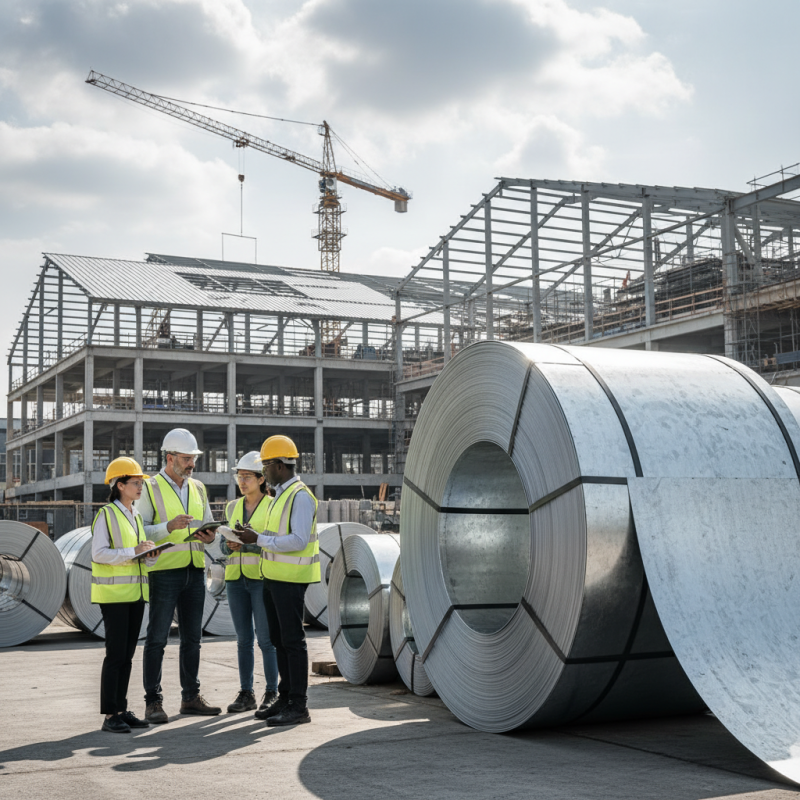
Top Industries Utilizing Galvanized Coils in 2026
In 2026, galvanized coils will play a crucial role across various industries. These materials are vital for construction, automotive, and appliance manufacturing. Their rust-resistant properties make them ideal for structures exposed to harsh environments. Many companies rely on these coils for building steel frames and supports.
The automotive sector is also a significant user of galvanized coils. These materials provide durability and safety for vehicles. Manufacturers appreciate how galvanized steel ensures longevity. However, some are concerned about the environmental impact of production. A shift towards sustainability in this industry is essential.
Appliance manufacturers utilize galvanized coils for cooking and refrigeration equipment. Their resistance to corrosion enhances product lifespan. Yet, there’s a need for innovation to reduce waste during production. Companies are recognizing this challenge, striving to improve processes. Finding a balance between quality and sustainability will be vital in the coming years.
2026 Top Galvanized Coil Applications and Benefits
Advantages of Galvanized Coils in Corrosion Resistance and Longevity
Galvanized coils are widely used due to their excellent corrosion resistance. The zinc coating acts as a protective barrier, significantly extending the life of the underlying steel. According to industry studies, galvanized steel can last up to 50 years in various environments. This durability makes it a preferred choice in construction and automotive sectors.
The advantages of galvanized coils are clear. With a low maintenance requirement, they save time and costs. Their resistance to rust reduces the frequency of repairs and replacements. A report from the American Galvanizers Association highlights that galvanized surfaces reduce maintenance costs by approximately 30%. This statistic is persuasive for manufacturers and builders alike.
Despite their benefits, some challenges remain. Not all environments are suitable for galvanized steel. In highly acidic or alkaline conditions, even galvanized coatings may fail. Additionally, the production process can have environmental impacts. It's essential for industries to weigh these factors against the longevity and cost-effectiveness of using galvanized coils.
Comparison of Galvanized Coils vs. Other Steel Coating Methods
Galvanized coils are a popular choice in many industries. Their durability results from a protective zinc coating. This method blocks rust and corrosion. Compared to other steel coating methods, galvanized coils stand out. They offer enhanced strength and longevity.
Other options include painting and powder coating. While they add color, they often lack the same protection. Painted surfaces can chip easily. Powder coatings might crack over time. Both require extensive maintenance and touch-ups. In contrast, galvanized coils need less upkeep. They resist harsh weather better than painted steel.
However, it's important to note that not all applications benefit equally. Some projects might favor alternative coating techniques for aesthetic reasons. Galvanization isn't perfect. Its effectiveness can vary based on the environment. Rust can still form if the zinc layer is compromised. Understanding your specific needs is crucial. The right choice depends on balancing cost, strength, and appearance.
Market Trends: Growth Projections for Galvanized Coil Demand by 2026
The galvanized coil market is positioned for significant growth by 2026. As industries prioritize durability and corrosion resistance, the demand for galvanized coil is rising. Several sectors, including construction and automotive, are increasingly adopting this material. It offers longevity, reducing the need for frequent replacements. This shift is evident in new infrastructure projects and vehicle manufacturing.
Moreover, sustainability trends are influencing this market. Companies are now leaning towards eco-friendly materials, and galvanized steel fits this criterion. Recyclability plays a crucial role in its appeal. However, there are considerations to keep in mind. Manufacturing processes can vary in environmental impact, raising questions about sustainability measures employed by manufacturers. Continuous improvements in production techniques are necessary to ensure minimal waste and energy usage.
The projected demand by 2026 highlights a crucial moment for the galvanized coil industry. While the growth is promising, stakeholders must focus on responsible sourcing and production. Balancing economic benefits with environmental concerns is essential. Awareness of these factors can guide better practices in the coming years.
Applications of Galvanized Coils in Construction and Automotive Sectors
In the construction sector, galvanized coils are essential. They are widely used for roofing, siding, and structural elements. The zinc coating protects the steel from rust and corrosion, extending the lifespan of buildings. This durability is critical for meeting safety standards and client expectations.
In the automotive industry, galvanized coils are crucial for car components. They provide the necessary strength and corrosion resistance. Cars rely on lightweight materials, and galvanized steel fits that need. Elements like frames and body panels often use these coils. However, not all manufacturers consider the environmental impact of using galvanized steel. Recycling and sustainable practices should become a priority.
Tips: Choose the right gauge for your project. Thicker coils offer more durability but may increase costs. Consider regional climates when selecting materials. Areas with high humidity may require more corrosion-resistant options. Regular maintenance can also help prolong the life of galvanized products.