2026 How to Use Valve Lockout Chain for Safety Compliance?
In industrial settings, safety compliance is paramount. One crucial tool for achieving this is the Valve Lockout Chain. It plays a vital role in preventing accidental valve operation during maintenance. This device provides a physical barrier, ensuring that equipment remains in a safe state.
Using a Valve Lockout Chain effectively requires specific knowledge and best practices. Many workers underestimate its importance, which can lead to dangerous situations. Proper training and awareness are essential for all personnel. Without this, safety measures may be ineffective, putting lives at risk.
Incorporating a Valve Lockout Chain into your safety protocols is not just a recommendation; it's a necessity. Understanding how to use it properly can lead to better compliance outcomes. This chain should be an integral part of every facility's lockout/tagout procedures. When used correctly, it enhances safety and fosters a culture of responsibility and care within the workplace.
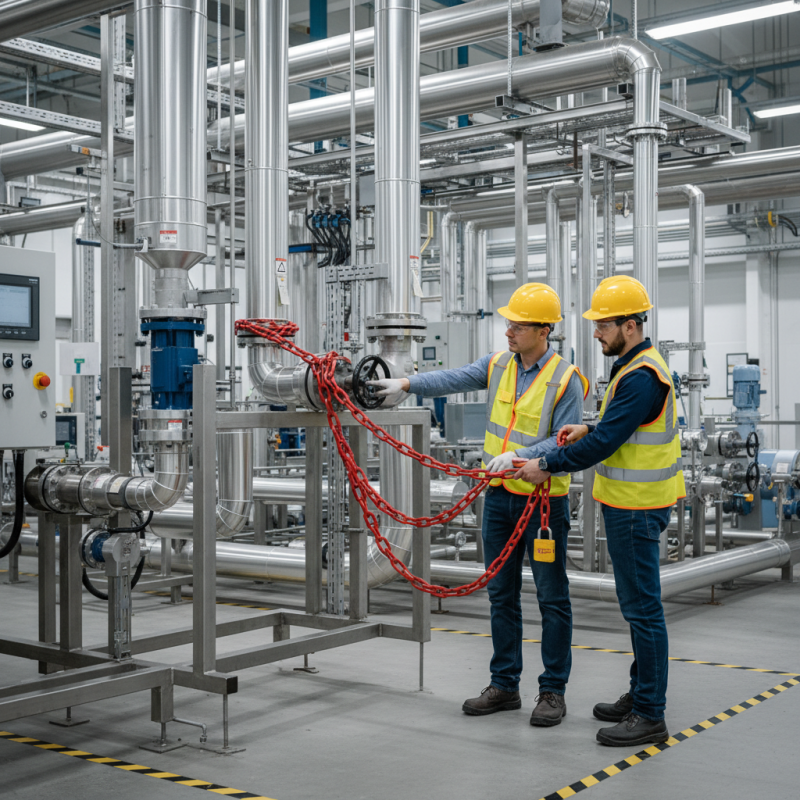
Understanding Valve Lockout Chains and Their Importance in Safety
Valve lockout chains are crucial in maintaining safety compliance in various industries. These chains ensure that valves are securely locked, preventing accidental opening or closing during maintenance. Understanding their importance can significantly reduce the risk of hazardous incidents.
These chains come in different sizes and strengths. They attach to valves easily, prompting workers to recognize potential dangers. However, not all chains are created equal. Workers need training on their correct use. Without proper guidelines, there may be mishaps. Training should cover chain application and the identification of the right locking mechanisms.
In practice, workers should regularly inspect the chains for wear and tear. These inspections help in maintaining their efficacy. An overlooked chain can lead to severe consequences. Creating awareness about this can enhance safety culture within any organization. Encouraging feedback on the chain's usability can foster a more proactive approach to safety compliance.
Key Components of a Valve Lockout Chain for Compliance
A valve lockout chain is critical for ensuring safety compliance in industrial environments. This safety device prevents accidental valve operations during maintenance. Key components of such a system include durable chains, padlocks, and lockout tags. According to the Occupational Safety and Health Administration (OSHA), proper lockout procedures can reduce workplace injuries significantly.
When choosing a valve lockout chain, consider its material and length. Strong, corrosion-resistant materials ensure longevity, even in challenging environments. The chain should be long enough to fit around various valve types securely. Additionally, the padlock used should meet safety standards to prevent unauthorized access.
Tip: Always train employees on lockout/tagout procedures. Proper training enhances compliance and safety culture. Regularly inspect lockout devices to ensure they remain functional and effective.
It’s essential to stay updated on safety regulations. OSHA and industry standards may change. Regular audits can help identify gaps in your lockout procedures. Engaging employees in safety discussions can highlight overlooked areas. A proactive approach fosters a safer workplace for everyone.
Safety Compliance with Valve Lockout Chains
Step-by-Step Guide to Properly Implementing Valve Lockout Chains
Implementing a valve lockout chain is crucial for ensuring workplace safety. To begin, assess the types of valves in your facility. Identify which ones require lockout chains. Understanding the specific needs will guide your implementation process effectively.
Next, gather the necessary materials. A durable lockout chain is essential. Ensure it meets safety standards. Training employees on how to use these chains properly is vital. They must understand the reasons behind lockout procedures. Knowledge gaps can lead to unsafe practices.
Regular audits should be conducted to ensure compliance. Check if the chains are being used correctly. Feedback from employees is important. Sometimes, a lack of clarity in procedures can lead to mistakes. Keeping communication open will enhance safety measures. Progress may be slow, but every step counts toward a safer workplace.
2026 How to Use Valve Lockout Chain for Safety Compliance? - Step-by-Step Guide to Properly Implementing Valve Lockout Chains
| Step | Action | Tools Needed | Safety Tips |
| 1 | Identify All Valves | Lockout Tagout (LOTO) Kit | Ensure all personnel are aware of the shutdown. |
| 2 | Turn Off Equipment | Valve Wrench | Check equipment for proper shutdown before locking it out. |
| 3 | Apply Lockout Chain | Lockout Chain, Padlock | Use a unique padlock for each worker involved. |
| 4 | Place Warning Tags | Warning Tags | Clearly indicate who is working on the equipment. |
| 5 | Verify Isolation | Multimeter, Testing Devices | Test for residual energy before starting work. |
| 6 | Perform Maintenance | Tools for Maintenance | Always work in teams where possible. |
| 7 | Remove Lockout Chains | Key for Padlock | Ensure all personnel are cleared from the area first. |
Best Practices for Maintaining and Inspecting Valve Lockout Chains
Maintaining and inspecting valve lockout chains is crucial for workplace safety. According to the Occupational Safety and Health Administration (OSHA), improper lockout/tagout practices account for nearly 10% of workplace injuries. Regular inspections help ensure that every lockout device is functioning correctly. Neglecting these inspections can lead to equipment malfunctions, risking employee safety.
Visual inspection should occur frequently. Look for signs of wear or corrosion on the chains. Chains that show visible signs of damage should be replaced immediately. "Safety compliance starts with proactive measures," states a recent report from the National Safety Council. Inspecting the operating environment is equally important. Ensure that the chains are not exposed to corrosive substances or extreme temperatures.
Training staff on proper inspection techniques is essential. Employees must be aware of the right procedures. Dynamic training sessions can help reinforce this knowledge. A systematic approach can uncover hidden issues, but it requires engagement from the entire team. There's always room for improvement in lockout procedures. Continuous evaluation can enhance compliance and safety awareness.
Training Employees on Valve Lockout Procedures for Enhanced Safety
Training employees on valve lockout procedures is crucial for maintaining workplace safety. Effective training programs should cover the importance of locking out valves. Employees must understand why these procedures are necessary. When a valve is not properly locked out, it can lead to serious injuries or even fatalities.
Hands-on training sessions can greatly enhance learning. Employees should physically engage with the valve lockout chain. They can practice locking and unlocking valves in a controlled environment. This practice helps reinforce their skills and builds confidence. Simulated scenarios can also provide valuable insights into potential hazards. Reflecting on these experiences can lead to a deeper understanding of safety compliance.
Feedback plays a significant role in training effectiveness. Encourage employees to share their thoughts on the training sessions. This input can reveal gaps in understanding or areas for improvement. Continuous training helps employees stay informed about safety measures. Regular refreshers on valve lockout procedures can keep safety at the forefront of their minds. Implementing a culture of safety ensures that everyone is vigilant and prepared.