2026 How to Achieve Perfect 3D Wheel Alignment Every Time?
Achieving perfect 3d Wheel Alignment is essential for vehicle performance and safety. A report by the Automotive Research Institute indicates that improper wheel alignment can reduce tire life by up to 30%. This not only leads to increased costs but also affects handling and fuel efficiency. Over time, many vehicle owners overlook this vital aspect, resulting in a decline in driving experience.
Inaccurate alignment can cause uneven tire wear and suspension issues. In fact, statistics show that 70% of vehicle alignment problems go unaddressed. This negligence highlights the need for awareness about the importance of regular checks. Utilizing advanced 3D wheel alignment technology can significantly improve accuracy. However, not all service centers are equipped with the latest tools or trained personnel.
Ultimately, ensuring perfect 3D wheel alignment requires a commitment to regular maintenance. It calls for reflection on practices and willingness to invest in proper equipment. The goal is not just optimal vehicle performance but also enhanced safety for all road users.
Understanding the Basics of 3D Wheel Alignment
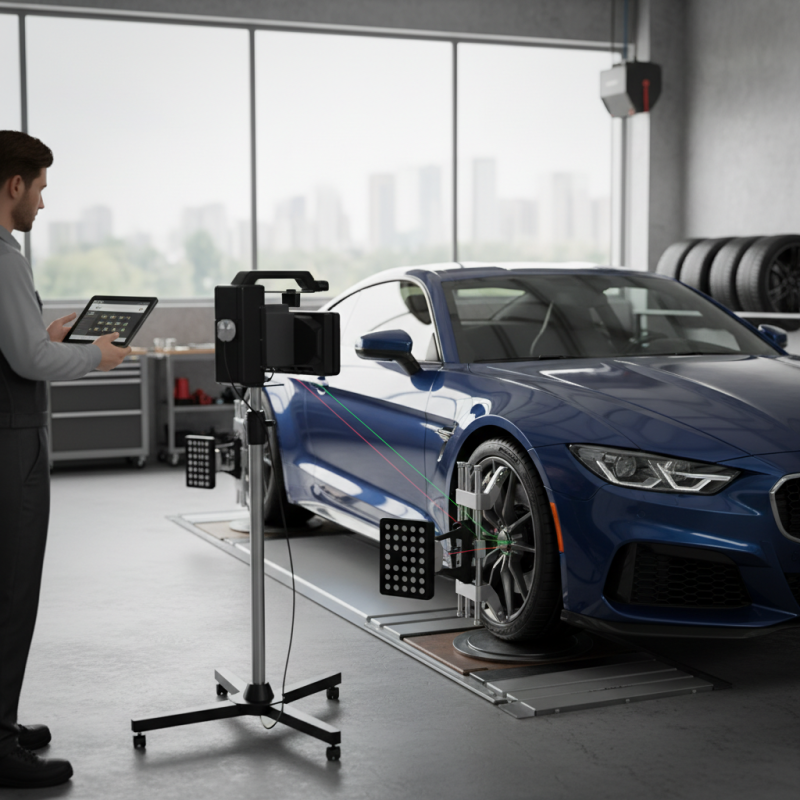
Understanding the basics of 3D wheel alignment is crucial for vehicle performance. Proper alignment reduces tire wear and enhances handling. It involves adjusting the angles of the wheels to the manufacturer's specifications. When done correctly, your car feels stable and responsive. However, many overlook this process. Misalignment can lead to uneven tire wear and poor fuel efficiency.
The 3D wheel alignment procedure uses advanced technology to measure angles precisely. It monitors camber, caster, and toe angles. It's essential to get these angles right. A slight error can cause significant problems over time. Sometimes, technicians may miss a crucial detail. This can lead to a disappointing driving experience. Reflecting on past mistakes can lead to better practices in the future.
To achieve perfect alignment, regular checks are necessary. Don't wait for symptoms to arise. Be proactive in maintaining your vehicle. Keeping a close eye on tire wear patterns can give valuable insights. Regular maintenance extends the life of your tires and improves safety. Every detail matters in achieving the perfect alignment. Remember, even small misalignments can snowball into larger issues.
2026 How to Achieve Perfect 3D Wheel Alignment Every Time?
| Parameter | Ideal Range | Common Issues | Recommended Frequency |
| Camber Angle | 0.5° - 1.5° | Uneven tire wear, handling issues | Every 10,000 miles |
| Caster Angle | 2° - 5° | Steering pull, instability | Every 10,000 miles |
| Toe Angle | 1/16" - 1/8" | Tire wear, reduced fuel efficiency | Every 5,000 miles |
| Thrust Angle | 0° | Vehicle tracking issues | After hitting a curb or pothole |
| Wheelbase | Factory specified | Handling unpredictability | Every 30,000 miles |
The Importance of Accurate Wheel Alignment for Vehicle Performance
Accurate wheel alignment significantly impacts vehicle performance. According to industry reports, misaligned wheels can reduce fuel efficiency by up to 10%. This could mean wasting hundreds of dollars annually for the average driver. Proper alignment ensures that all four wheels point in the same direction. This not only improves fuel efficiency but also enhances tire lifespan.
Moreover, a study found that 75% of vehicles on the road suffer from some degree of misalignment. Common signs include uneven tire wear and pulling to one side. These can lead to dangerous driving conditions and increased stopping distances. Regular checks are crucial. Many drivers overlook this maintenance, unaware of the potential impacts on safety and longevity.
The importance of perfect 3D wheel alignment cannot be overstated. It influences ride comfort and handling. Suboptimal alignment can introduce unnecessary strain on suspension components. In some cases, this may lead to costly repairs. Investing in accurate alignment today could save significant expenses tomorrow. Driving on poorly aligned wheels is a gamble with safety and performance.
2026 How to Achieve Perfect 3D Wheel Alignment Every Time?
Wheel alignment is crucial for optimal vehicle performance. Correct alignment improves tire longevity, enhances handling, and increases fuel efficiency. The following chart illustrates the impact of accurate wheel alignment on key performance metrics.
Step-by-Step Guide to Setting Up 3D Wheel Alignment Equipment
When setting up 3D wheel alignment equipment, ensuring accuracy is key. Begin by selecting a flat, spacious area for installation. Clear any debris or obstacles that could interfere. Check the calibration of your alignment equipment. Even slight miscalibrations can lead to inaccurate results.
Once the equipment is in place, carefully position the alignment heads on each wheel. Ensure they are securely attached. It’s essential to double-check their placement. A small error here can skew your results. After attaching, run a preliminary alignment check. This quick test can reveal potential issues that need attention before proceeding.
As you conduct the full alignment, pay close attention to the readings. Occasionally, the system may require adjustments. If readings vary widely, it’s a sign to pause. Reflect on your setup process and double-check each step. Sometimes it’s easy to overlook small details. Keeping a meticulous approach can ensure you achieve precise alignment every time.
Common Techniques for Achieving Perfect 3D Wheel Alignment
Achieving perfect 3D wheel alignment is crucial for vehicle performance. Common techniques ensure that your wheels are aligned correctly. Check the vehicle’s specifications regularly. It's essential to follow recommended alignment angles. Misalignment can lead to uneven tire wear and poor handling.
Ensure your tires are inflated to the correct pressure. Under-inflated tires can skew alignment results. A well-calibrated alignment machine is vital. Regularly calibrate the equipment to maintain accuracy. Mistakes in setup can lead to inaccurate readings.
Tip: Perform a visual inspection before alignment. Look for signs of wear or damage. Sometimes, it’s easy to overlook small issues. If parts are worn, they may affect alignment. Emphasize the importance of proper technician training. They should understand nuances in different vehicles. A thorough understanding leads to better outcomes.
Tip: Allow time for the suspension to settle. Immediate adjustments might not yield perfect results. If adjustments feel off, don't hesitate to recheck settings. Observing these common techniques can lead to better wheel alignment. It's an ongoing learning process. Mistakes can happen, but reflections on those can lead to improvement.
Troubleshooting Common Issues in 3D Wheel Alignment Process
Achieving precise 3D wheel alignment is a complex process. Many technicians face common issues during this procedure. One frequent problem is incorrect sensor placement. If the sensors are not calibrated properly, the alignment readings will be off. This can lead to uneven tire wear and steering difficulties.
Another common complication is inconsistent measurements due to vehicle loading. If the car is not at the correct weight, alignment results may vary. A possible solution is to check the vehicle’s load before starting the alignment. Additionally, remember to inspect suspension components. Worn or damaged parts can result in misalignment.
Technicians should also pay attention to environmental factors. Dust and debris in the alignment area can affect sensor performance. Regular cleaning of the workspace helps maintain accuracy. Moreover, open communication with customers about potential issues leads to better results. Acknowledging mistakes or areas of improvement is essential for mastering the 3D wheel alignment process.