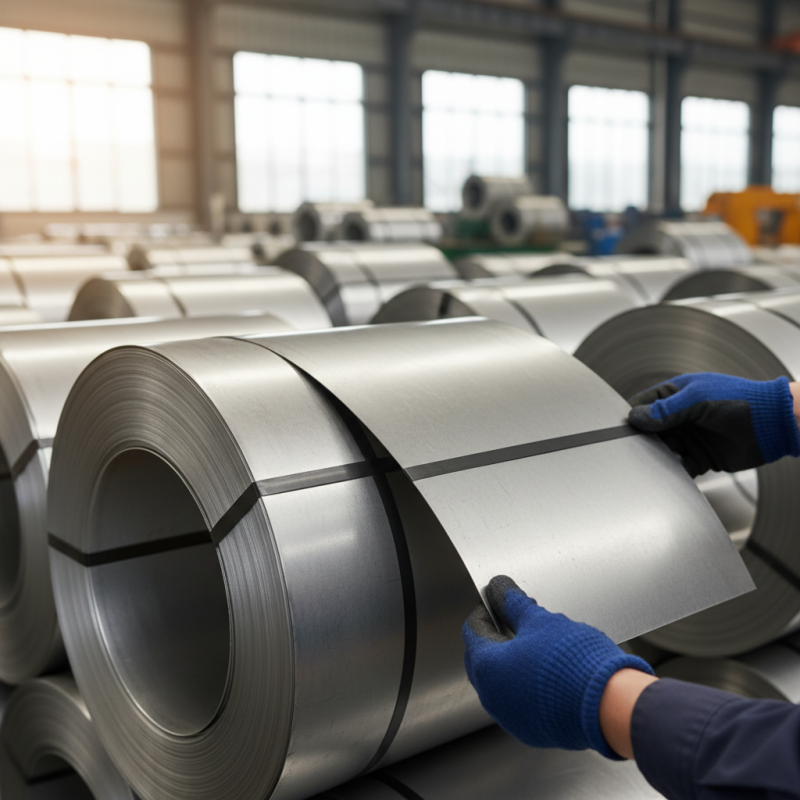
Top Benefits of 430 Stainless Steel Strips for Global Buyers?
In the competitive landscape of stainless steel products, 430 Stainless Steel Strips stand out. These strips offer a unique blend of affordability and durability. They are ideal for various applications, including automotive and kitchenware.
Global buyers are increasingly recognizing the advantages of selecting 430 stainless steel strips. Their resistance to corrosion makes them particularly appealing for industries relying on durable materials. Additionally, these strips provide aesthetic qualities that enhance product designs.
However, the choice of stainless steel grades can be overwhelming. Not all buyers have the expertise to choose the right materials. Understanding the specific requirements of a project is crucial to maximize the benefits of 430 stainless steel strips. With the right knowledge, buyers can make informed decisions that lead to long-term success.
Key Properties of 430 Stainless Steel Strips
430 stainless steel strips are increasingly popular among global buyers due to their unique properties. This alloy contains about 18% chromium and 0.12% carbon, giving it excellent corrosion resistance. According to a recent industry report, 430 stainless steel displays a yield strength of approximately 300 MPa. This strength makes it suitable for various applications where durability is key.
The material's magnetic properties set it apart from other stainless steel grades. Its magnetic nature enables its application in magnetic locking systems and kitchen appliances. Despite this, some might find its magnetic characteristics a limitation for certain high-tech applications. Another noteworthy property is its affordability; 430 stainless steel strips generally cost less than austenitic grades. Yet, some buyers might overlook how cost-effectiveness can sometimes come with compromises in toughness.
A significant aspect of 430 stainless steel is its aesthetic appeal. The shiny surface finish is often preferred in consumer products. Interestingly, while 430 stainless steel resists oxidation, it may be less resistant in highly corrosive environments compared to other stainless grades. This nuance necessitates careful consideration. Balancing cost, aesthetics, and functionality remains vital for manufacturers and buyers alike. The right choice ultimately depends on application requirements.
Applications of 430 Stainless Steel in Various Industries
430 stainless steel strips offer versatile applications across multiple industries. One prominent use is in kitchenware. The material's resistance to corrosion makes it ideal for cutlery, sinks, and pots. Restaurants and hotels benefit from longer-lasting utensils that maintain their appearance.
Automotive applications also take advantage of 430 stainless steel. Its high-temperature tolerance makes it suitable for exhaust systems and heat shields. The durability can reduce replacements. However, manufacturers should consider cost efficiency and sourcing. Sustainability is a rising concern, pushing for mindful consumption.
In construction, this steel is valued for its aesthetic appeal. It is widely used for decorative elements in buildings. The sleek finish enhances visual experiences. Yet, while choosing the material, one must analyze the environment. Rust can develop in harsh climates, impacting longevity.
Tips: When selecting materials, always consult an expert. Evaluate the demand in your industry. Keep an eye on current trends; they can dictate the viability of materials used.
Top Benefits of 430 Stainless Steel Strips for Global Buyers
Cost-Effectiveness of 430 Stainless Steel for Global Buyers
When considering the cost-effectiveness of 430 stainless steel strips, global buyers find it an attractive material. The affordability of 430 stainless steel makes it a popular choice in many industries. It offers a balance between quality and price that is hard to beat. The properties of this stainless steel allow for reduced maintenance costs as well.
Tips: Always compare prices from different suppliers. This can help you find the best deal on 430 stainless steel strips. Additionally, consider the long-term value, not just the upfront cost. Sometimes, investing a little more can lead to lower overall expenses.
The versatility of 430 stainless steel translates into various applications, from kitchenware to automotive parts. Its resistance to corrosion enhances durability, saving money over time. However, buyers should be aware that not all 430 stainless steel is equal. Differences in manufacturing processes can impact performance.
Tips: Check for certifications and quality assurance when purchasing stainless steel. This ensures you are getting a reliable product. It's also essential to assess your specific needs before making a decision. Understand how the material will perform in your environment.
Corrosion Resistance and Durability of 430 Stainless Steel Strips
430 stainless steel strips are gaining popularity among global buyers due to their exceptional corrosion resistance. This type of stainless steel contains chromium, which forms a protective layer on the surface. This layer prevents oxidation, making it ideal for various environments, especially those with high moisture levels. Industries such as automotive and appliances often choose 430 stainless steel for parts that are exposed to harsh conditions.
Durability is another key aspect. 430 stainless steel strips are tough and can withstand significant wear and tear. They maintain their structural integrity even after repeated use. Buyers appreciate this reliability; however, it is essential to consider the applications carefully. While 430 stainless steel offers excellent performance, it may not be suitable for all high-stress environments. Some users encounter issues in extreme temperatures or aggressive chemical exposures. Continuous evaluation of material performance is crucial to ensure long-term benefits.
Comparative Analysis with Other Stainless Steel Grades
When comparing 430 stainless steel strips to other grades, several key differences emerge. 430 stainless steel is known for its good corrosion resistance and ductility, making it a popular choice in various applications. Unlike 304 stainless steel, 430 is less expensive and more magnetic. This could be beneficial in applications where magnetic properties are essential, such as in the automotive industry.
However, the lack of nickel in 430 stainless steel compromises its resistance to pitting corrosion, particularly in chloride environments. According to a recent industry report, while 430 has a yield strength of around 240 MPa, 304 stainless steel exhibits a notable increase to approximately 400 MPa. This disparity can influence material selection significantly; buyers must evaluate their specific needs. The lower tensile strength of 430 could lead to failures in high-stress applications, highlighting the need for careful consideration.
Ultimately, the decision hinges on balancing cost with performance expectations. Industries that prioritize budget and moderate atmospheric resistance may lean toward 430. However, in environments prone to corrosion, opting for 304 could prevent future failures and costs. Therefore, understanding these differences is crucial for global buyers seeking the right material.