2026 Best Ball Valves for Industrial Applications?
As industries evolve, the demand for reliable and efficient control systems grows. Ball valves play a crucial role in this sector. According to recent market reports, the global ball valve market is expected to reach USD 12 billion by 2026, growing at a CAGR of 5.4%. This growth is primarily driven by the expansion of the oil and gas industry, alongside increasing investments in wastewater and chemical sectors.
Ball valves are known for their durability and efficiency. They offer tight sealing and minimal leakage, making them ideal for high-pressure and high-temperature applications. However, not all ball valves are created equal. Choosing the right materials and designs can pose challenges. It's vital to understand the specific needs of your application to ensure optimal performance.
There is always room for improvement. While manufacturers strive for innovation, some products still fall short in quality and reliability. It's essential for users to research and evaluate the best options available in the market. Considering factors such as maintenance and longevity can help make a more informed choice. In 2026, the right ball valves can enhance operational efficiency and reduce costs significantly.

Overview of Best Ball Valves for Industrial Applications in 2026
In 2026, the landscape of industrial ball valves is evolving. These components are crucial for controlling flow in various systems. The focus is on reliability and efficiency. Many industries are demanding valves that can withstand high pressures and extreme temperatures. Designs are becoming more compact yet robust.
Several innovative features are emerging. Improved sealing technologies reduce leaks and enhance safety. Some manufacturers are experimenting with smart technologies, allowing real-time monitoring. This integration can forecast maintenance needs. However, not all advancements are flawless. There are concerns regarding compatibility with existing systems. Users must evaluate how these changes impact their operations.
Selecting the right ball valves requires careful consideration. Factors include material, size, and specifications. Feedback from industry professionals highlights a desire for better durability. But, challenges remain in understanding these complex products. Operators often face confusion due to varying standards. An informed choice can improve performance and reduce costs significantly.
Key Features to Consider When Selecting Ball Valves
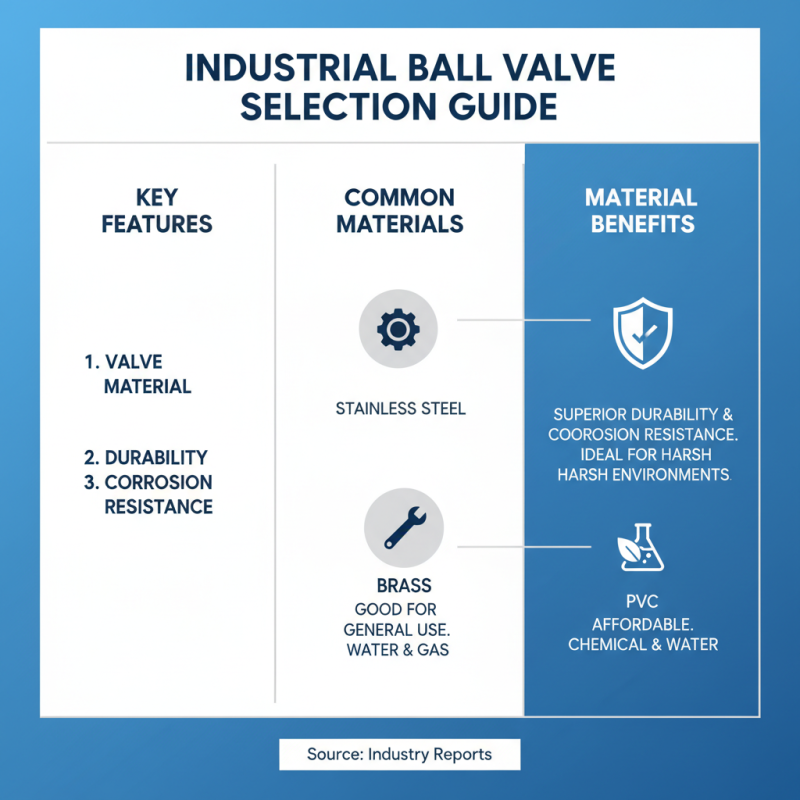
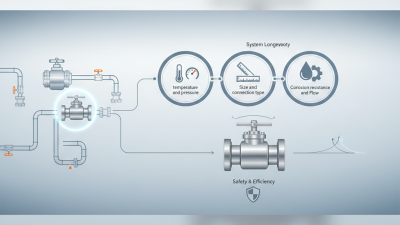
When selecting ball valves for industrial applications, several key features must be considered. The valve material is crucial. Common materials include stainless steel, brass, and PVC. According to industry reports, stainless steel valves offer superior durability and corrosion resistance, ideal for harsh environments.
Flow capacity is another important aspect. Valves with higher Cv ratings allow for greater flow rates. Knowing the required flow can prevent inefficient operation. Many facilities overlook flow rates, leading to performance issues. Pressure ratings also matter. Check that the valve can withstand the system's pressure. This is often a point of failure in valve systems.
**Tip:** Always consult the pressure-temperature chart for your valve selection. This prevents unexpected failures.
Seal types are worth exploring. Teflon seals provide excellent sealing capabilities but may not be suitable for all chemicals. Viton seals, meanwhile, resist a wider range of chemicals. Each seal has its pros and cons. It is essential to not assume one type fits all applications.
**Tip:** Evaluate the service conditions of your system carefully. Understanding these factors leads to better valve selection.
Ultimately, the right ball valve enhances system reliability and efficiency. A mismatched valve can cause leaks or operational delays. Investing time in selection pays off in the long run.
Top Manufacturers of Ball Valves in 2026: A Comparative Analysis
In 2026, the ball valve market continues to evolve. A comparative analysis of top manufacturers reveals key trends. According to recent industry reports, the market size for ball valves in industrial applications is projected to grow by 6.5% annually. This growth is driven by increasing demand in sectors like oil and gas, water treatment, and chemicals.
As manufacturers focus on innovation, many are adopting advanced materials. The use of durable polymers and corrosion-resistant metals is on the rise. These materials enhance the longevity and reliability of ball valves. Notably, some reports indicate that over 40% of valves now incorporate smart technology. This integration allows for remote monitoring and precise control in critical environments.
However, not all manufacturers keep pace with these advancements. A noticeable gap exists between industry leaders and others. Companies that do not prioritize R&D may struggle to compete. As the shift towards automation continues, those resistant to change risk falling behind. The landscape is competitive and requires continuous improvement, highlighting the need for companies to reflect on their strategies.
2026 Best Ball Valves for Industrial Applications
Innovative Technologies in Ball Valve Design and Performance
Innovative technologies in ball valve design greatly enhance performance in industrial applications. Recent advancements focus on improving durability and efficiency. For instance, new materials resist corrosion better than ever. This is crucial for processes involving harsh chemicals.
In addition to materials, smart technologies are making waves. Integrated sensors can monitor flow and detect leaks. This proactive approach allows for timely maintenance. However, these systems can be complex. Some operators may struggle with the transition to smart technology.
Another exciting development is the shift toward automation. Automated ball valves can improve operation speed and reduce human error. Yet, they require reliable power sources. That's a challenge for some industries. As we innovate, it’s vital to balance technology with practical usability.
2026 Best Ball Valves for Industrial Applications - Innovative Technologies in Ball Valve Design and Performance
| Valve Type |
Size (Inches) |
Material |
Pressure Rating (PSI) |
Temperature Range (°F) |
Special Features |
| Floating Ball Valve |
1 |
Stainless Steel |
1500 |
-20 to 400 |
Anti-static design |
| Trunnion Mounted Ball Valve |
2 |
Carbon Steel |
600 |
-4 to 300 |
Fire-safe certified |
| Full Port Ball Valve |
3 |
PVC |
150 |
32 to 140 |
Lightweight, corrosion-resistant |
| Reduced Port Ball Valve |
1.5 |
Brass |
400 |
-20 to 200 |
Compact design |
| Electric Actuated Ball Valve |
1 |
Stainless Steel |
1500 |
-20 to 300 |
Remote operation capabilities |
Applications of Ball Valves Across Various Industrial Sectors in 2026
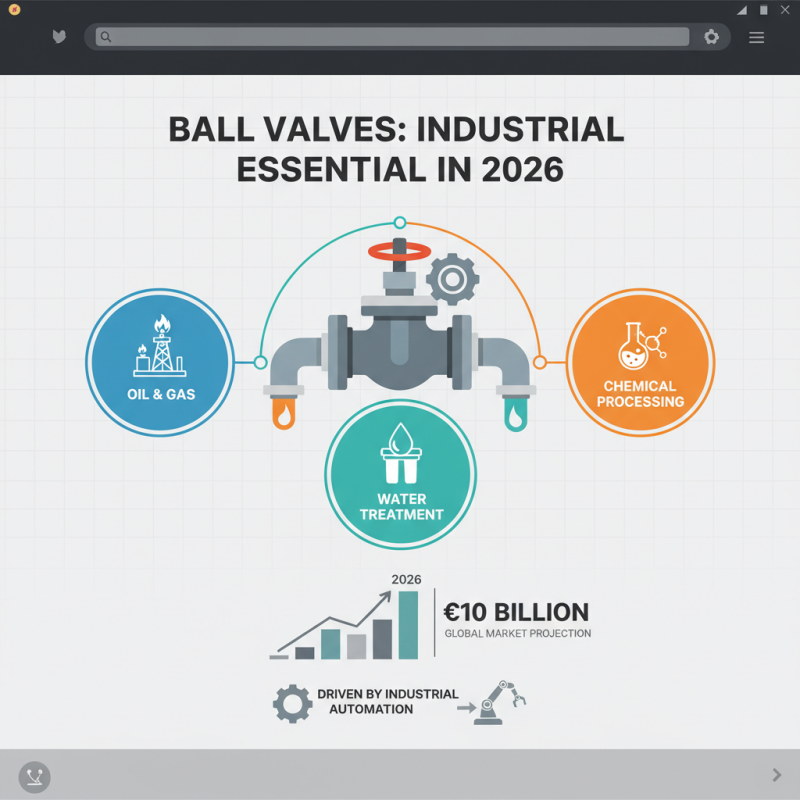
In 2026, ball valves are becoming essential in various industrial sectors. Their versatility is evident across oil and gas, water treatment, and chemical processing. According to a recent industry report, the global ball valve market is projected to reach $10 billion by 2026, driven by increasing industrial automation.
Oil and gas applications demand robust solutions. Ball valves are favored for their reliable sealing and low-pressure drop. However, challenges exist, such as the risk of valve wear under extreme conditions. Similarly, in water treatment, these valves help maintain flow rate and pressure. Yet, improper maintenance can lead to leaks, impacting operational efficiency.
The chemical processing industry benefits significantly from ball valves. They handle corrosive substances effectively. A study indicated that 25% of chemical leaks are due to faulty valves. Ensuring thorough checks and real-time monitoring could reduce such risks. Overall, while ball valves are valuable, companies must address maintenance and operational challenges for optimal performance.