Best 1 Pole Circuit Breaker Options for Your Home Needs?
The electrical safety of your home heavily relies on the circuit breakers you choose. One essential type is the "1 Pole Circuit Breaker." This component serves as the first line of defense against electrical overloads. According to industry reports, approximately 30% of residential fire incidents are linked to electrical faults. Installing the right breaker can significantly reduce such risks.
Choosing the best 1 Pole Circuit Breaker is not just about protection. It must also cater to your specific electrical load needs. Some models can handle up to 15 amps, while others can support higher demands. A mismatch can cause failures or unnecessary trips. Inadequate choices lead to frequent replacements, wasting both time and money.
The electrical market is vast and sometimes overwhelming. Consumers often face confusion regarding specifications and brands. According to a recent survey, nearly 70% of homeowners feel uncertain about their choices in circuit breakers. This uncertainty can lead to regrettable purchases. By understanding your options, you can make informed decisions that enhance safety and efficiency.
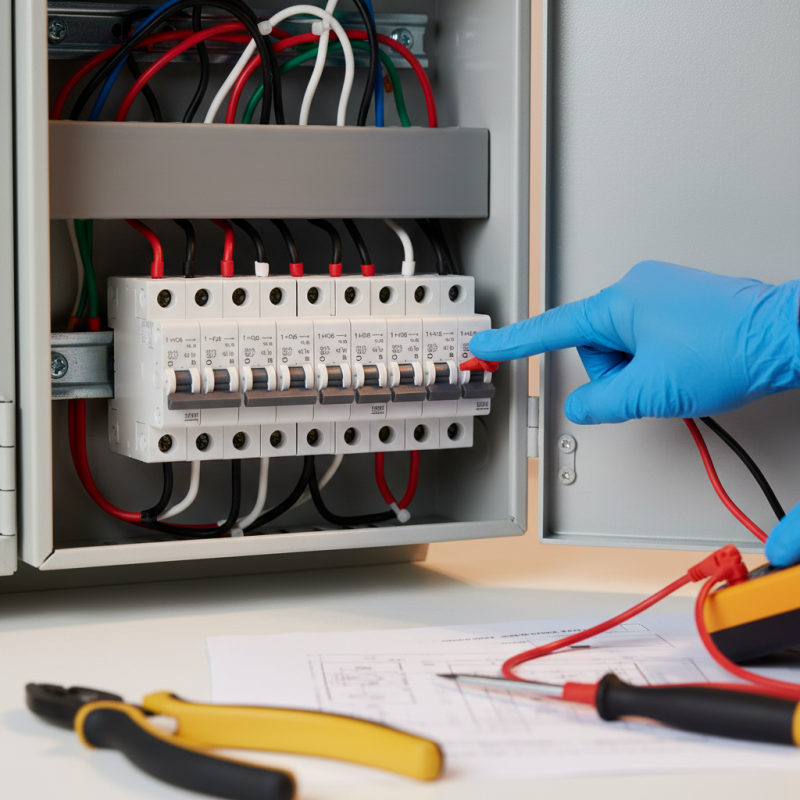
Understanding the Basics of One Pole Circuit Breakers
One pole circuit breakers are essential for any home. They protect against overloads and electrical faults. These devices are compact and affordable. They can handle up to 120 volts of electricity, making them suitable for most household circuits. Understanding their basic function is crucial for safe home wiring.
It's important to know how one pole circuit breakers work. They trip when the electrical flow exceeds safe levels. This prevents overheating and potential fires. According to the National Fire Protection Association, faulty wiring caused 67,000 home fires in a recent year. A reliable circuit breaker can prevent such incidents.
Tip: Always check the amperage ratings before installation. Choose breakers that align with your circuit needs.
Another consideration is the lifespan of these devices. Most circuit breakers last around
30 years. However, factors like humidity and temperature can affect performance. Regular inspections are beneficial. Look for signs of wear or damage, like
discoloration.
Tip: If you notice any issues, replace the breaker immediately. Prioritize safety, as a failing breaker can lead to serious hazards.
Common Applications of One Pole Circuit Breakers in Residential Settings
One pole circuit breakers play a vital role in residential electrical systems. They protect against overloads and short circuits. Installing these breakers is common in homes for specific circuits. For instance, they often secure lighting fixtures and receptacles in living areas. They offer a simple and effective solution for managing electricity.
Additionally, these breakers are essential for appliances. Many smaller devices, like fans or kitchen gadgets, require one pole breakers. When these devices draw too much power, the breaker trips. This ensures safety and prevents potential hazards. Homeowners should consider the amperage ratings too. Using the appropriate amperage for devices is crucial.
While one pole circuit breakers are generally reliable, they can have shortcomings. Over time, wear and tear can reduce their effectiveness. Regular checks are necessary to ensure they function properly. A breaker that is too old might trip unnecessarily or fail when needed. It's always worth reviewing your home's electrical needs now and then. This practice can help identify areas for improvement.
Key Features to Consider When Choosing a One Pole Circuit Breaker
When selecting a one pole circuit breaker for your home needs, there are several key features to keep in mind. First, amperage rating is crucial. Most homes require breakers in the range of 15 to 20 amps for regular circuits. It's essential to choose a breaker that fits your specific electrical setup.
Consider the voltage rating. A standard home circuit typically operates at 120 volts. However, some devices may require different voltage levels. Understanding the electrical demands of your appliances can prevent overload.
Tip: Always consult a certified electrician for advice tailored to your home's unique requirements. Assessing your total load capacity is also vital. Overloaded circuits can lead to tripped breakers and potential fire hazards.
Next, look at the interrupting capacity. This measures the maximum fault current the breaker can safely interrupt. According to industry data, a minimum interrupting capacity of 10,000 amps is generally recommended for residential areas.
Additionally, inspect for certification marks on the breaker. These verify that the product complies with safety standards. Sometimes, even high-quality products may fail, so read user reviews and check return policies.
Tip: Regularly inspect and test your breakers. Keeping track can help maintain safety and reliability in your home.
Top Recommended One Pole Circuit Breaker Brands and Models
When choosing a one-pole circuit breaker, several brands and models stand out in the market. These circuit breakers are crucial for protecting your home from electrical overloads. Reports indicate that reliable circuit breakers significantly reduce fire hazards, emphasizing the importance of quality in selection. The best models often include features that enhance both safety and usability.
One key point to consider is the amperage rating. Typically, one-pole breakers range from 15 to 20 amps. It's essential to match the breaker to the circuit's load. For instance, running too many appliances on a low-rated breaker could cause frequent tripping. Some users have found it frustrating to deal with an overloaded circuit that keeps shutting off.
Here’s a tip: always check the compatibility with your existing wiring. It's easy to overlook this detail. Mismatched breakers can lead to inefficiencies or even dangerous situations. Additionally, seasonal usage patterns could impact your total load. For example, during summer, air conditioning use may exceed the standard circuit capacity. Updating your breakers might be necessary as your home’s electrical needs evolve. Choose wisely for safety and peace of mind.
Best 1 Pole Circuit Breaker Options for Your Home Needs
Installation and Maintenance Tips for One Pole Circuit Breakers
Installing a one pole circuit breaker is a straightforward task, but it requires attention to detail. Ensure that you turn off the main power supply before starting. Use insulated tools to prevent electrical shocks. The breaker should fit securely into the panel. If it doesn’t lock in place as expected, revisit the installation steps. Tight connections are essential; loose wires can lead to malfunction or fire hazards.
Regular maintenance of these breakers is crucial. Take time to inspect them periodically for any signs of wear or damage. If there are tripping issues, it may indicate an overload or fault. Don’t ignore strange sounds or odors from the breaker. This could mean there’s a significant problem that requires action.
Cleaning the panel area is equally important. Dust and debris can cause insulation issues. Besides, keep moisture away from the breaker to prevent corrosion. In case of uncertainty, consult an expert. While handy work can be rewarding, electrical systems demand precision. A small oversight can lead to bigger problems down the line. Always reflect on your work; there’s always room for improvement.
Best 1 Pole Circuit Breaker Options for Your Home Needs
| Breaker Type | Amperage | Voltage Rating | Application | Installation Difficulty |
| Standard 1 Pole | 15A | 120V | Lighting Circuits | Easy |
| High-Performance 1 Pole | 20A | 120V | Kitchen Outlets | Moderate |
| GFCI 1 Pole | 15A | 120V | Bathroom Circuits | Difficult |
| Arc Fault 1 Pole | 15A | 120V | Bedroom Circuits | Moderate |
| Smart 1 Pole | 20A | 120V | Smart Home Integration | Moderate to Difficult |