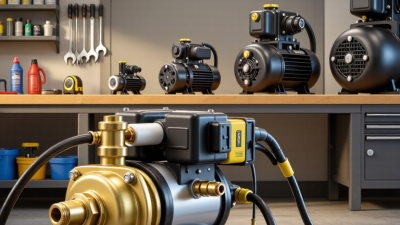
10 Best Pressure Washer Pumps for Global Buyers?
Choosing the right pressure washer pump can determine whether cleaning feels efficient or endlessly frustrating. A pump that delivers strong pressure on paper may struggle with hard water, voltage differences, or a mismatched engine. Global buyers need more than attractive specifications.
This guide examines 10 pressure washer pump options for residential, commercial, and light industrial use. Each model is considered through practical details, including maximum PSI, gallons per minute, drive system, shaft size, mounting pattern, and replacement-part availability. Materials matter too. Brass heads often support longer service life, while aluminum designs may offer lower weight and cost. However, neither choice guarantees perfect performance.
Real-world use can be less predictable.
A pump used on dusty farm equipment faces different demands from one cleaning garden furniture. We also consider oil requirements, thermal protection, operating temperature, and maintenance access. These factors can affect reliability across different climates and work schedules. Manufacturer data remains important, but independent specifications should be checked carefully. Some advertised ratings reflect brief peak performance rather than continuous operation.
There is no universal winner.
The best pressure washer pump depends on compatibility, workload, water supply, and budget. A costly model may be unnecessary for occasional home cleaning, while a cheaper unit could fail under daily commercial use. This comparison aims to make those trade-offs clearer, while acknowledging one limitation: performance may vary with installation quality and local water conditions. Used wisely, the findings can help buyers choose a dependable pump with fewer expensive surprises.
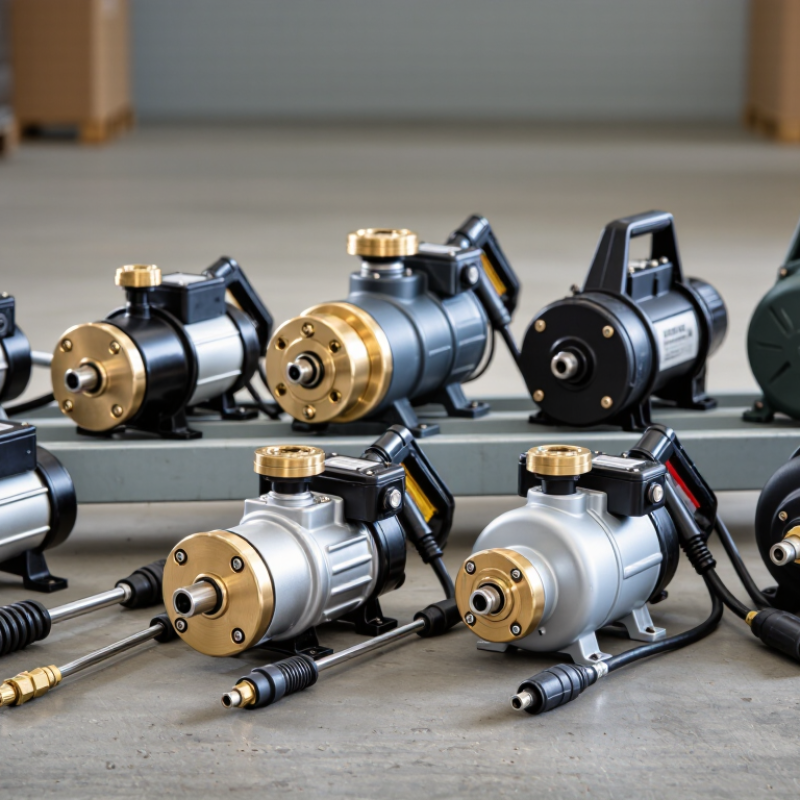
Pressure Washer Pump Basics for Buyers Worldwide
10 Best Pressure Washer Pumps for Global Buyers?
Choosing a pressure washer pump starts with matching pressure and flow to the cleaning task. Pressure is measured in PSI, while water volume uses GPM or LPM. A pump with high PSI but weak flow may clean slowly. Check both numbers together.
Pump materials affect service life. Brass heads usually tolerate demanding work, while aluminum can reduce weight and cost. Ceramic plungers resist wear, but they still need clean inlet water. Use an inlet filter, and inspect it before each session. Small grit can damage valves quickly. Keep the pump supplied with water; running it dry can cause expensive heat damage.
Look for a thermal relief valve, an adjustable unloader, and clear maintenance instructions. Confirm the rated temperature, duty cycle, shaft size, and mounting pattern before buying. These details often matter more than a large number on a sales page. Electric and engine-driven systems may require different couplers or fittings. Global buyers should also check metric and imperial connections, local service availability, spare-part access, and electrical requirements. Voltage differences matter to the motor, not the pump alone.
A practical test is simple: listen for surging, watch for leaks, and measure output under normal hose length. Marketing figures are often measured in ideal conditions. I still double-check them. Water hardness, climate, and operator habits can change performance. A pump that suits a workshop may disappoint on a farm or construction site. Select conservatively, document maintenance, and question any specification that lacks a testing standard.
Key Criteria for Comparing Pressure Washer Pumps
10 Best Pressure Washer Pumps for Global Buyers?
When comparing pressure washer pumps, pressure and flow rate deserve equal attention. Pressure measures cleaning force, while flow determines how quickly dirt and foam leave the surface. A pump rated at 3,000 PSI but only 2.0 GPM may clean slowly. Check both figures together.
Grand View Research estimated the global pressure washer market at about USD 2.9 billion in 2023, with continued growth through 2030. That expansion increases demand for durable replacement pumps, especially in commercial cleaning and agriculture. Buyers should compare duty cycle, thermal protection, and expected operating hours. A pump for occasional household use should not be judged like one running six hours daily.
Materials also reveal long-term value. Brass or stainless-steel heads usually resist corrosion better than basic aluminum designs. Ceramic-coated plungers can reduce wear, but only when water filtration is adequate. The U.S. Department of Energy’s pumping-system guidance emphasizes correct sizing, because oversized pumps waste energy and increase mechanical stress. That matters.
Look closely at shaft dimensions, mounting holes, inlet size, and motor compatibility. One mismatch can stop installation. Noise, vibration, seal quality, and spare-part availability deserve practical testing. I would also check local water hardness before choosing seals. This step is often overlooked. No pump is perfect. A higher-rated model may still disappoint when its inlet supply, filtration, or maintenance schedule is poor.
Ten Leading Pressure Washer Pumps by Performance and Use
The ten leading pressure washer pump choices should be judged by use, not pressure alone. Compact axial-cam pumps suit light residential cleaning. Heavy-duty axial models support frequent work. Direct-drive triplex pumps provide compact, high-pressure performance. Belt-drive triplex pumps run cooler and reduce vibration. Stainless-steel heads resist corrosion. Brass heads are easier to service. Ceramic plungers improve wear resistance, but they can be brittle. Low-RPM pumps suit longer duty cycles. Hot-water-rated pumps handle grease removal. Replacement pumps work only when shaft size, mounting, flow, and pressure match.
Grand View Research reported a global pressure washer market value of about USD 2.4 billion in 2023. Its analysis projects approximately 4.8% annual growth through 2030.
The International Energy Agency has reported that electric motors consume about 45% of global electricity. Therefore, efficient motors, correct pump sizing, and reduced bypass time deserve attention.
A perfect ranking is impossible. Water quality, voltage, temperature, and local service access change the result. Published ratings may also disappoint in real conditions.
Tips: Match litres per minute before maximum pressure. Check the pump’s continuous-duty rating. Use a pressure regulator when the machine runs unattended. Buyers in hard-water regions should inspect seals regularly. For export purchases, confirm electrical frequency and replacement-part availability. I would not choose ceramic components blindly; field dust and poor filtration can shorten their life. A slightly lower-rated pump may perform better when maintenance is realistic.
Global Compatibility, Installation, and Maintenance Considerations
10 Best Pressure Washer Pumps for Global Buyers?
A globally useful pump must match pressure, flow, shaft size, and drive speed. Pressure ratings alone can mislead. Flow matters more. International buyers should confirm motor voltage, frequency, rotation direction, and mounting pattern separately. A pump may fit a familiar frame yet fail because its inlet thread uses another standard. Request dimensional drawings, not only catalog photos. This small step prevents costly adapters and poor alignment.
Installation begins with clean water and a correctly sized inlet hose. Use a suitable filter, but avoid excessive restriction before the pump. Prime the system fully before starting. Never run the pump dry. Check that fittings use compatible thread standards, such as metric or pipe-based systems. Sealant should not enter the water passage. During the first test, watch for vibration, leaks, unusual heat, and pressure fluctuations. An unloader or regulator must match the pump’s rated flow.
Maintenance varies with water quality and climate. Hard water can damage valves, seals, and nozzles faster than expected. Flush the pump after chemical use, then drain it before freezing conditions. Inspect oil level and replace worn seals according to the service schedule. Storage deserves attention. A pump can appear perfect after one season yet fail after months of neglect. I would not treat a “universal” label as proof. Some installations still need adjustment, and that is where careful measurement matters.
How to Choose the Right Pump for Your Cleaning Needs
Choosing a pressure washer pump begins with pressure, flow, and workload. Pressure, measured in PSI, breaks dirt from surfaces. Flow, measured in GPM, carries that dirt away. A pump rated at 2,000 PSI and 2 GPM delivers 4,000 cleaning units. That figure helps compare models, but it does not replace testing.
The U.S. Environmental Protection Agency’s WaterSense program reports that pressure washers can use up to 80% less water than garden hoses. However, higher pressure is not always better. For painted wood, lower pressure protects the surface and reduces damage. Concrete may need higher pressure and stronger flow. Triplex plunger pumps suit frequent commercial cleaning, while axial pumps often fit lighter household work. I learned this the hard way: a powerful pump can still disappoint when the nozzle, hose, or inlet supply is poorly matched.
Global buyers should check water temperature limits, seal materials, motor compatibility, and replacement-part availability. A 2024 market analysis from Grand View Research identifies steady worldwide growth in pressure-washing equipment, increasing demand for efficient and durable components. Efficiency matters, but local service support matters too. In areas with hard water, add filtration and inspect the inlet screen weekly. Small debris can score valves quickly. I sometimes choose a slightly lower-rated pump for easier maintenance. That choice is not perfect, yet reliable cleaning usually beats impressive specifications.
| # | Pump Type / Configuration | Best For | Typical Pressure Range | Typical Flow Range | Drive System | Pump Head Material | Recommended Water Temperature | Expected Service Life | Key Selection Consideration |
|---|---|---|---|---|---|---|---|---|---|
| 1 | Commercial Triplex Plunger Pump | Heavy-duty vehicle, fleet, and industrial cleaning | 3,000–5,000 PSI | 3.0–5.5 GPM | Gas engine or belt drive | Brass or forged brass | Up to approximately 140°F / 60°C for cold-water versions | 1,000–3,000 operating hours with correct maintenance | Choose when continuous operation, rebuildability, and high flow are more important than compact size. |
| 2 | Direct-Drive Triplex Plunger Pump | Portable professional cleaning equipment | 2,500–4,000 PSI | 2.5–4.0 GPM | Direct-coupled gas engine | Brass or anodized aluminum | Usually up to approximately 140°F / 60°C | 500–1,500 operating hours under regular service | Provides a compact layout and efficient power transfer, but usually produces more vibration than a belt-drive system. |
| 3 | Belt-Drive Triplex Plunger Pump | Daily contractor use and dusty work environments | 2,500–4,000 PSI | 3.0–5.5 GPM | Gas engine with belt drive | Brass or forged brass | Usually up to approximately 140°F / 60°C | 1,000–3,000 operating hours with proper lubrication | Runs cooler and isolates pump vibration from the engine, making it suitable for longer duty cycles. |
| 4 | Axial-Cam Pump | Residential driveways, patios, decks, and occasional use | 2,000–3,200 PSI | 2.0–2.8 GPM | Direct-drive electric motor or gas engine | Aluminum or brass | Typically up to approximately 140°F / 60°C | 100–300 operating hours, depending on load and maintenance | Offers a lower purchase cost and compact design, but is generally less serviceable than a triplex pump. |
| 5 | Compact Electric Replacement Pump | Light residential cleaning and small portable units | 1,600–2,200 PSI | 1.2–2.0 GPM | Direct-drive electric motor | Aluminum or composite housing | Usually limited to cold-water use | 50–150 operating hours | Confirm voltage, mounting points, shaft dimensions, hose connections, and the original motor power before purchasing. |
| 6 | High-Flow Low-Pressure Pump | Agricultural equipment, large surfaces, and detergent application | 1,000–2,500 PSI | 4.0–8.0 GPM | Gas engine, belt drive, or hydraulic drive | Brass, stainless steel, or coated aluminum | Cold-water use unless specifically rated for hot water | 500–1,500 operating hours | Prioritize gallons per minute when rinsing large areas; higher PSI is not always the best choice for this work. |
| 7 | Stainless-Steel Hot-Water Pump | Oil, grease, food-service, and sanitation cleaning | 2,000–4,000 PSI | 2.5–4.0 GPM | Direct drive or belt drive | Stainless steel or corrosion-resistant brass | Approximately 180–200°F / 82–93°C, subject to the pump rating | 500–1,500 operating hours with suitable seals and water quality | Verify the complete hot-water rating, seal material, inlet temperature limit, and compatibility with detergents. |
| 8 | Chemical-Resistant Diaphragm Pump | Soft washing, chemical spraying, and low-pressure treatment | 100–1,000 PSI | 2.0–10.0 GPM | Electric motor, gasoline engine, or pneumatic drive | Polypropylene, PVDF, or coated metal | Commonly limited to approximately 100–140°F / 38–60°C | 300–1,000 operating hours, depending on chemical exposure | Match diaphragms, valves, and seals to the exact chemical concentration and cleaning solution. |
| 9 | Stainless-Steel Plunger Pump | Marine, coastal, food-processing, and corrosive environments | 2,000–4,000 PSI | 2.0–4.0 GPM | Electric motor, gas engine, or belt drive | Stainless steel | Cold-water or hot-water models are available | 800–2,000 operating hours with clean inlet water | Costs more than aluminum designs but provides improved corrosion resistance and better long-term durability. |
| 10 | Low-RPM Industrial Plunger Pump | Fixed installations and extended daily operation | 2,000–5,000 PSI | 3.0–8.0 GPM | Belt drive, gear drive, or electric motor | Forged brass or stainless steel | Approximately 140–200°F / 60–93°C, depending on the model | 1,500–4,000 operating hours with scheduled servicing | Lower shaft speed reduces wear and heat, but the system requires correct alignment, guarding, and adequate motor power. |
Related Posts
-
How to Choose the Right Pressure Washer Pump
-
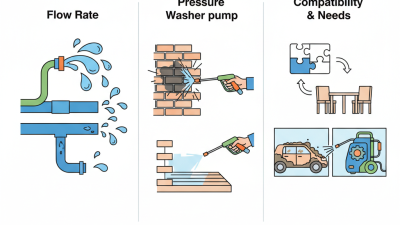
How to Choose the Right Pressure Washer Pump for Your Needs?
-
Unlocking the Power of Pressure Washer Pumps for Optimal Cleaning Efficiency and Performance Insights
-
Top 10 Pressure Washer Pumps for Global Buyers 2026?
-
China Top 10 Soft Wash Pumps for Global Buyers Seeking Quality?
-
How to Choose the Best Soft Wash Pump?