Best Small Cement Mixer for Concrete Mixing Needs?
Choosing the right equipment is vital for concrete mixing. A Small Cement Mixer Concrete can make your project easier and more efficient. These mixers are designed for portability and ease of use. They cater to both DIY enthusiasts and professional builders.
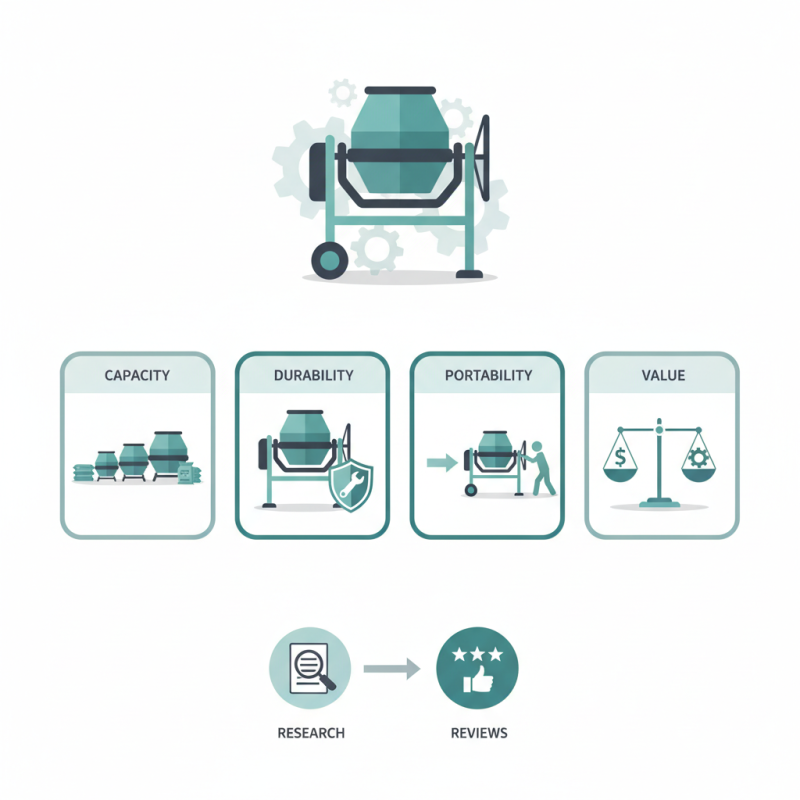
When selecting a small cement mixer, consider your specific needs. Some mixers offer different drum sizes, which influence capacity. Think about the frequency of use and the volume of concrete required. Quality matters too; not all mixers are built to last.
It is essential to do careful research before purchasing. Read reviews and compare features. Some might have great specifications but lack durability. Reflect on the options, and find a balance between cost and quality. A thoughtful choice can elevate your concrete mixing experience.
Types of Small Cement Mixers Available in the Market
When choosing a small cement mixer, it's essential to understand the types available. Small mixers generally fall into two main categories: portable and towable models. Portable mixers are compact and easy to transport. They usually have a drum capacity ranging from 2 to 3 cubic feet, making them ideal for small projects and home use.
Towable mixers, on the other hand, have larger drum capacities, typically between 4 to 6 cubic feet. These mixers can be hitched to a vehicle for easy transport. This is beneficial for larger jobs or when supplies must be moved over long distances. However, they can be bulky and may require more space to operate.
In addition, users may encounter various designs, such as electric and gasoline-powered mixers. Electric models are quieter and cleaner, while gasoline-powered ones offer more mobility and power in challenging terrains. Each type has its pros and cons, and your choice might depend on specific project needs. Reflecting on personal experiences, one might realize that a lighter model may be less effective for heavier jobs than originally anticipated. Choosing the right mixer involves careful consideration of your mixing needs, space, and power source.
Factors to Consider When Choosing a Small Cement Mixer
Choosing the right small cement mixer involves several important factors. First, consider the capacity. Most small mixers range from 2 to 6 cubic feet. A mixer’s capacity affects the volume of concrete you can mix at one time. Mixing small batches improves control but may require more time. According to industry reports, a 3-cubic-foot mixer is suitable for DIY projects or small jobs. However, if you frequently work on bigger projects, you might need a larger capacity.
Next, consider the power and motor type. Electric mixers are common and often easier to use. They provide consistent power without needing a gasoline supply. However, gas-powered models sometimes offer more torque for heavy-duty tasks. A report from the Concrete and Cement Association indicates that electric mixers can handle most residential tasks efficiently. Additionally, ease of mobility is crucial. A lightweight design with wheels simplifies transport, especially when working on-site. Look for models with sturdy handles and easy assembly features, as they enhance productivity and reduce setup time.
Top Features of the Best Small Cement Mixers
When selecting the best small cement mixer, several key features stand out. First, consider the mixing capacity. Most small mixers hold around 2 to 3 cubic feet of concrete. This is ideal for small projects like patios or garden paths. Studies show that a proper mixing capacity ensures a uniform mix, which is critical for durability.
Another important feature is portability. Many models weigh less than 100 pounds. This makes them easy to transport. A compact design often means they can fit easily in tight spaces, like backyards or garages. According to industry reports, small mixers dramatically reduce labor time by up to 50%. This efficiency can transform project timelines entirely.
Durability is also essential. Look for mixers with sturdy frames, ideally made from steel or high-quality polymers. These materials enhance longevity. Furthermore, user-friendly controls improve the mixing process. Many reliable sources emphasize the importance of safety features like protective guards. These aspects not only enhance usability but can also prevent accidents during operation. However, not all budget models deliver on these fronts. Evaluating these features will help ensure your concrete mixing needs are met effectively.
Comparative Analysis of Popular Small Cement Mixer Models
When evaluating small cement mixers for concrete mixing, several models stand out based on their performance and efficiency. According to industry reports, users prefer models that offer a balance between capacity and portability. Typically, these mixers have a drum capacity of around 2 to 3 cubic feet, allowing for easy handling while providing sufficient concrete for small projects.
The analysis reveals that weight plays a crucial role in usability. Models weighing between 75 to 100 pounds strike a good balance. They are sturdy yet manageable for transporting. Furthermore, user reviews highlight the significance of motor power. A motor rated at 1/3 to 1/2 horsepower can significantly impact mixing efficiency, reducing time spent on each job. These specifications suggest an optimal blend of strength and size.
Moreover, while many mixers boast quick assembly, some users report frustrating setups. Quick-release mechanisms are a feature that can save time. However, not all mechanisms function as intended. For the value-conscious consumer, mixing performance can sometimes be overshadowed by minor design flaws. These insights reveal essential knowledge for making informed decisions in selecting the right small cement mixer for various needs.
Comparative Analysis of Small Cement Mixers
Maintenance Tips for Prolonging the Life of Your Cement Mixer
Maintaining your cement mixer is crucial for ensuring its longevity and efficiency. Regularly checking for wear and tear can save you from unexpected breakdowns. Inspect the drum, bearings, and motor frequently. Look for any signs of corrosion or rust. Addressing these issues early can extend the mixer’s life.
Cleaning the mixer after every use is essential. Concrete remnants can build up and cause operational issues. Use a water and acid solution to remove stubborn concrete. Rinse it thoroughly. Don’t forget to lubricate parts like gears and bearings. Proper lubrication minimizes friction and prevents damage.
Be mindful of the mixer’s capacity. Overloading it can lead to premature wear. Always follow the manufacturer’s guidelines. If you notice unusual sounds or vibrations, investigate immediately. Ignoring these signs can lead to costly repairs. Routine maintenance is not just about repairs; it’s about creating a reliable working tool that lasts.