2026 Best Solenoid Valve for Efficient Irrigation Systems?
As agriculture evolves, the importance of efficient irrigation systems cannot be overstated. One crucial element in this domain is the Solenoid Valve In Irrigation Systems. Experts like Dr. Emma Carter, a leading figure in agricultural technology, emphasize its role: “A reliable solenoid valve can significantly enhance water management in farming.”
These valves control the flow of water with precision. They help conserve water, reducing waste. In a world facing increasing water scarcity, their significance grows. However, not all solenoid valves perform equally. Some may fail, causing unnecessary disruptions. Finding the best solenoid valve in irrigation systems is essential for optimal performance and reliability.
Farmers often face challenges in selecting the right equipment. Compromising on quality can lead to higher costs in the long run. Investing in better valves can save money and improve yields. While many options exist, understanding which features matter most is crucial. This pursuit of efficiency is ongoing, highlighting the importance of continuous innovation and education in this field.
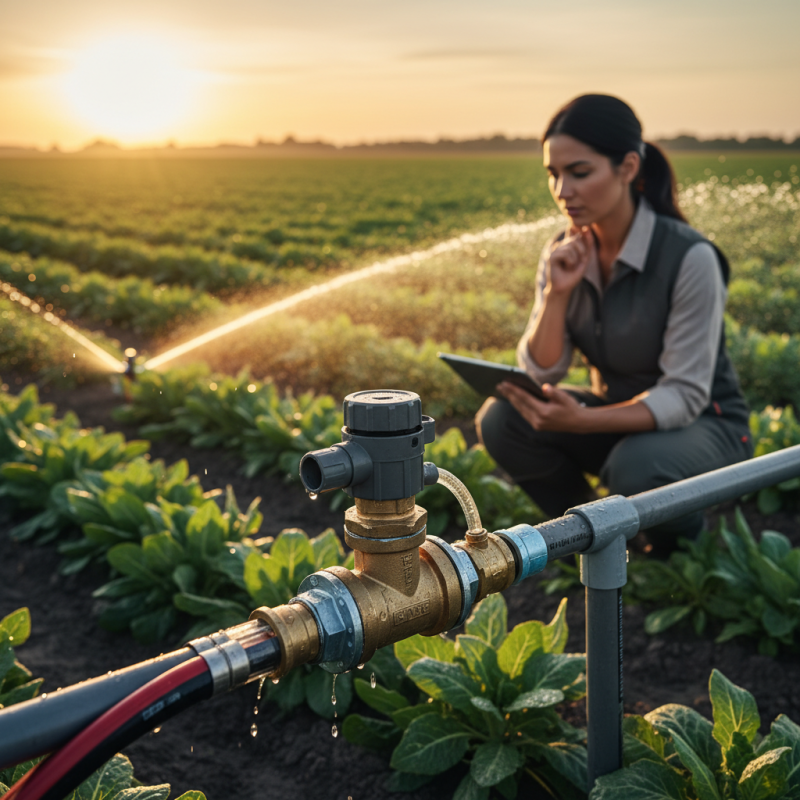
Overview of Solenoid Valves in Irrigation Systems
Solenoid valves play a crucial role in modern irrigation systems. They help control the flow of water efficiently. These valves open and close automatically when an electrical signal is applied. This automation reduces the need for manual operation. As a result, water usage becomes more efficient, leading to better resource management.
Choosing the right solenoid valve can be challenging. Factors such as size, pressure rating, and compatibility with the irrigation system can affect performance. It's essential to evaluate these aspects carefully. A poorly chosen valve may lead to leaks or inefficient water distribution. Some may overlook the need for regular maintenance too. Neglecting this can result in valve malfunction, causing adverse effects on plant health.
While solenoid valves offer convenience, they are not without flaws. Electrical failures can occur, leaving the system inoperable. Not all environments are suitable for these valves, especially extreme conditions. Even with the right choice, installation errors can lead to issues. It’s crucial to reflect on these potential challenges to maximize efficiency.
2026 Best Solenoid Valve for Efficient Irrigation Systems
| Feature | Value |
| Type | Electric |
| Voltage | 24V AC |
| Connection Size | 1 inch |
| Flow Rate | 15 GPM |
| Body Material | Brass |
| Coil Type | Weatherproof |
| Response Time | 1 second |
| Max Operating Pressure | 150 PSI |
| Applications | Agricultural Irrigation, Landscape Irrigation |
Key Features to Look for in Solenoid Valves for Irrigation
When choosing a solenoid valve for efficient irrigation systems, key features matter. Durability is crucial. Look for valves made from high-quality materials that resist corrosion and wear. This ensures a longer lifespan and fewer replacements. You want a valve that can withstand harsh environmental conditions. Temperature extremes can affect performance.
Flow control is another important detail. It dictates how much water flows through the system. Opt for valves that offer adjustable flow rates. This feature helps in maintaining optimal irrigation levels. Some valves provide options for both manual and automatic operation. This flexibility can be beneficial for various gardening needs.
Pressure ratings should also be considered. A valve with an inappropriate pressure rating can lead to system failures. It’s essential to match your valve with your irrigation system's requirements. Moreover, consider ease of installation. Complex installations can cause frustration. A user-friendly design saves time and effort. Reflecting on these features ensures a smarter investment for your irrigation system.
Top Brands Offering the Best Solenoid Valves in 2026
In 2026, efficient irrigation systems rely heavily on quality solenoid valves. These components control water flow effectively. Many brands compete to offer the best options. Selecting the right valve enhances water usage and conserves resources.
When choosing a solenoid valve, consider the size and voltage. Wrong specifications can lead to inefficient systems. It's essential to match valves with your irrigation setup, or you might face performance issues. Always examine the materials used. Some may not withstand outdoor conditions.
Here are some tips: Check reviews and ratings. User feedback provides insights into reliability. Test the valve before installation to avoid future headaches. Regular maintenance prolongs the life of solenoid valves. Keep an eye on wear and tear. Investing time here pays off in the long run. Make informed decisions and enjoy a flourishing landscape.
Comparative Analysis of Efficiency: Electromechanical vs. Hydraulic Valves
When comparing electromechanical and hydraulic valves for irrigation, several factors should be considered. Electromechanical valves often provide better control. They can respond quickly to changes in pressure and flow. Reports indicate that they maintain a 20% efficiency advantage over hydraulic types. However, hydraulic valves are easier to maintain. They can handle higher pressures. Their durability is noted, making them a longer-term choice for some systems.
Choosing the right valve also means looking at application-specific needs. For example, if your system requires precise timing, electromechanical valves are preferable. However, their installation can be complex and may lead to higher initial costs. On the other hand, hydraulic valves might incur lower upfront expenses but could lead to inefficiencies over time.
Tip: Always evaluate the specific requirements of your irrigation system before making a selection.
So, what fits your needs better? This isn't always clear-cut. Efficiency is vital, but ease of use matters too. Don’t overlook the hidden costs related to maintenance. Keeping track of performance will help fine-tune your choice.
Tip: Monitor your system regularly to catch potential issues early. This ensures optimal operation, regardless of the valve type chosen.
Future Trends in Solenoid Valve Technology for Irrigation Systems
As irrigation systems evolve, solenoid valve technology plays a crucial role in efficiency. Predictions indicate that by 2026, the market for these valves will grow significantly, fueled by advancements in automation and precision agriculture. Recent industry reports suggest that solenoid valves can boost water savings by up to 30%.
Future trends indicate rising interest in smart irrigation solutions. These systems feature integrated sensors and IoT capabilities. They provide real-time data, allowing for better control and monitoring. Farmers can achieve optimal water usage and reduce waste dramatically. Yet, this requires a mindset shift to embrace new technologies.
Tips: Investing in quality sensors can enhance solenoid valve effectiveness. Always consider compatibility with your existing irrigation infrastructure. Regular maintenance is vital to avoid costly failures. Adopting innovative practices often involves initial challenges, but the rewards can be substantial.
2026 Best Solenoid Valve Performance for Efficient Irrigation Systems
This chart illustrates the efficiency ratings of different solenoid valve types in irrigation systems based on energy consumption and operational effectiveness for the year 2026. The data reflects trends in technology improvements focused on water conservation and system automation.