China Best Ball Valves for Global Buyers What to Look For
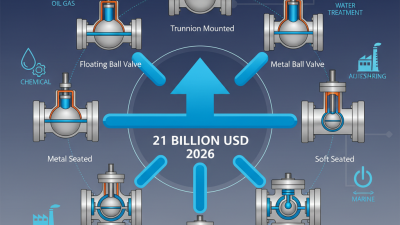
The global market for ball valves is witnessing significant growth, driven by various industries including oil and gas, water treatment, and manufacturing. According to a recent report by MarketsandMarkets, the ball valves market is expected to reach $19.9 billion by 2027, growing at a CAGR of approximately 6% from 2022. This increase is fueled by the rising demand for efficient flow control solutions worldwide.
As noted by industry expert Dr. James Whitmore, “The choice of ball valves can greatly affect system performance.” His insight underscores the importance of understanding key features when selecting ball valves for different applications. Factors such as material, size, and pressure rating play crucial roles in ensuring reliability and efficiency.
Despite the wealth of options available, not all ball valves are created equal. Often, buyers face challenges in identifying the best fit for their needs. Manufacturers vary in quality, and aspects like maintenance requirements can be underestimated. It’s vital for global buyers to conduct thorough research and consult professionals when making decisions in order to avoid costly mistakes.
China's Role in the Global Ball Valve Market: Key Statistics
China has emerged as a dominant player in the global ball valve market. According to industry reports, China's ball valve production accounted for approximately 35% of the worldwide total in 2022. This reflects the nation's growing investment in manufacturing infrastructure and technology. Chinese manufacturers have significantly improved their production capabilities, offering a vast range of ball valves that comply with international standards.
Moreover, the export of ball valves from China reached over $2 billion last year, indicating strong demand from various industries, including oil and gas, water treatment, and power generation. Notably, the rapid expansion of industrial applications contributes to this trend. However, challenges remain, such as ensuring consistent quality amid rapid growth.
Pay attention to product reviews and certifications. This can indicate reliability and performance. Quality assurance processes are vital too. These factors will significantly impact your purchasing decisions.
Keep an eye on evolving market trends. Innovations and emerging technologies can affect the types of ball valves that become popular. Staying updated can provide a competitive edge.
Essential Features of High-Quality Ball Valves from China
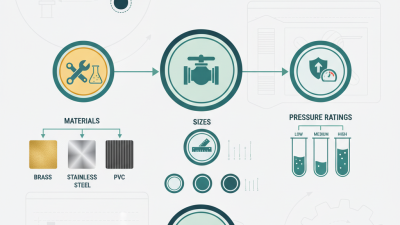
When sourcing high-quality ball valves from China, focus on essential features that ensure reliability and performance. Material selection is crucial. Look for valves made from durable metals like stainless steel. It resists corrosion and extends the valve's lifespan. A well-engineered ball valve can handle high pressure and temperature. Seek valves tested for extreme environments.
While researching, consider a valve’s configuration. Full port designs allow for maximum flow. On the other hand, reduced port designs can save space but may limit capacity. Pay attention to the sealing mechanism as well. PTFE seals are common for their chemical resistance and longevity. Examine the manufacturing standards and ask for certifications to confirm quality.
Quality control is often an overlooked factor. Misleading information may hide defects. It is important to ask for testing reports. Verify that the manufacturer conducts regular inspections. This process can prevent future headaches. Always engage directly with suppliers to understand their process and standards. Clear communication can bridge gaps that written specifications may miss.
Understanding Different Ball Valve Materials and Their Applications
When selecting ball valves, understanding the materials used is crucial. Stainless steel is widely favored for its strength and corrosion resistance. It’s ideal for use in industries such as oil and gas, where durability matters. However, it can be more expensive than other options.
Plastic valves, like PVC, are also an option. They are lightweight and resistant to many chemicals, making them suitable for water treatment applications. Still, plastic isn't always suitable for high-pressure systems. Evaluate the working conditions to ensure you choose correctly.
Choosing the right material impacts performance and longevity. Consider not just the immediate needs but also future maintenance. A well-chosen valve can minimize downtime and repairs, saving costs over time. Look at the specific requirements for your applications. A thorough understanding can lead to better choices.
Remember to factor in temperature and pressure ratings for each material. Overlooked details can result in failure. Assess the compatibility of the valve with the fluid type. The right match promotes efficiency and safety.
Evaluating Certification Standards for Chinese Ball Valves
When sourcing ball valves from China, understanding certification standards is crucial. Different regions have varying requirements for quality and safety. Certifications like ISO 9001 often indicate a commitment to quality management. However, not all manufacturers may adhere to these standards consistently. It’s beneficial to request documentation for verification.
Another aspect often overlooked is the testing process. Some manufacturers might claim compliance without independent verification. Therefore, knowing which certifications are relevant to your industry is essential. For example, suppliers should meet API and ANSI standards. This ensures that the valves can handle the required pressures and temperatures during operations.
Additionally, it’s important to reflect on the reliability of the chosen supplier. Even well-certified manufacturers may have inconsistencies in production. Regular audits and inspections can help identify potential issues. Fostering open communication can lead to discovering areas for improvement. Ultimately, thorough due diligence is necessary for making informed purchasing decisions.
Evaluation of Certification Standards for Chinese Ball Valves
Current Trends in Ball Valve Technology and Innovation in China
Ball valve technology is rapidly evolving in China, reflecting global needs for efficiency and sustainability. Recent innovations focus on enhanced materials and design strategies. Many manufacturers are adopting corrosion-resistant alloys to extend valve life in harsh environments. This shift not only improves performance but also reduces long-term costs for users.
Another trend is the integration of smart technology into ball valves. These advanced systems allow real-time monitoring and precise control. They enable users to collect data on flow rates and pressures, leading to better maintenance planning. However, many buyers may find it challenging to assess which smart features add real value.
While these advancements are promising, there are still areas for improvement. Not all manufacturers embrace the same standards for quality control. Buyers need to thoroughly evaluate suppliers to ensure reliability. This requires a keen eye for both technical specifications and manufacturer credibility. Understanding these trends can better inform global buyers when selecting the right ball valves for their applications.