How to Choose the Best Soft Wash Pump for Your Needs?
Choosing the right soft wash pump can significantly impact your cleaning projects. A suitable pump enhances efficiency and performance. The right tool can save time and effort, especially in large-scale cleaning tasks.
When selecting a soft wash pump, consider your specific needs. The pump's capacity, pressure rating, and durability are vital factors. It's easy to overlook smaller details that can make a difference in functionality. For example, the type of nozzle used affects the water distribution. A good pump minimizes chemical use, helping the environment while achieving great results.
However, finding the best soft wash pump is not always straightforward. There are various features and models available. Some may feel overwhelmed by choices. Testing different pumps can reveal unexpected preferences. It’s essential to reflect on past experiences and user reviews. A pump that looks perfect on paper may not meet your real-world demands.
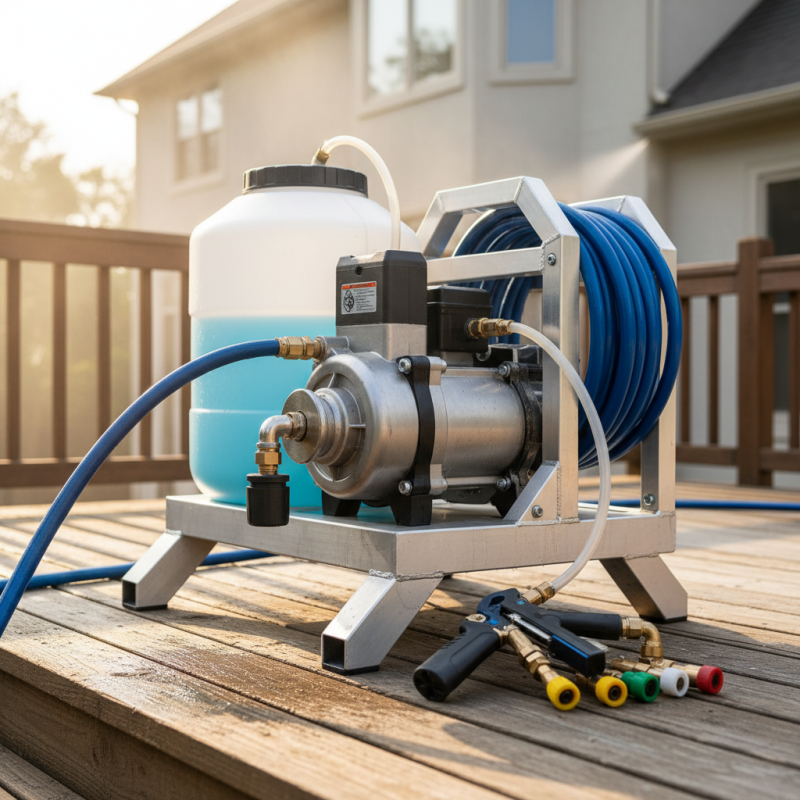
Understanding the Basics of Soft Wash Pumps
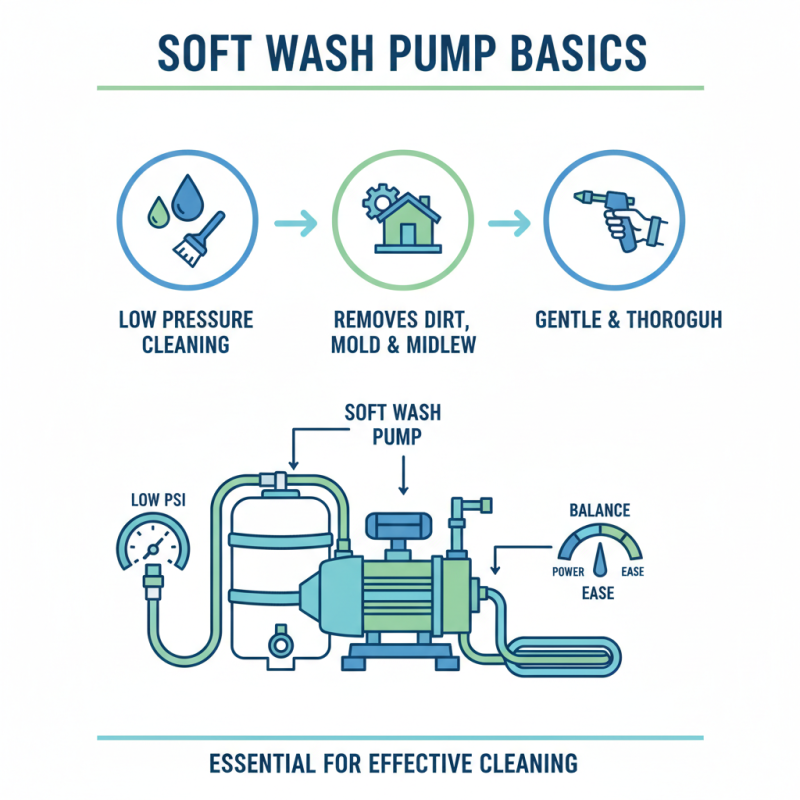
When selecting a soft wash pump, understanding the basics is essential. Soft wash systems utilize low pressure to remove dirt, mold, and mildew from various surfaces. These pumps are vital for effective cleaning, as they deliver a gentle yet thorough wash. A good pump should balance power and ease of use.
Consider the pump's flow rate. This indicates how much water can be moved in a specific time frame. You want a rate that suits your cleaning needs. A pump that's too weak will extend your work time. Too strong, and you risk damaging surfaces. Look for options with adjustable pressure settings. This flexibility can help you tackle various projects.
Pay attention to materials. Some pumps feature plastic components, while others have durable metal parts. Each has its pros and cons. Plastic is lighter but may wear out faster. Metal is sturdier but heavier to carry. Reflect on your needs. If you plan on transporting the pump often, weight matters. Choose wisely to ensure you don't regret your decision later.
Evaluating Pump Types: Electric vs. Gas-Powered Options
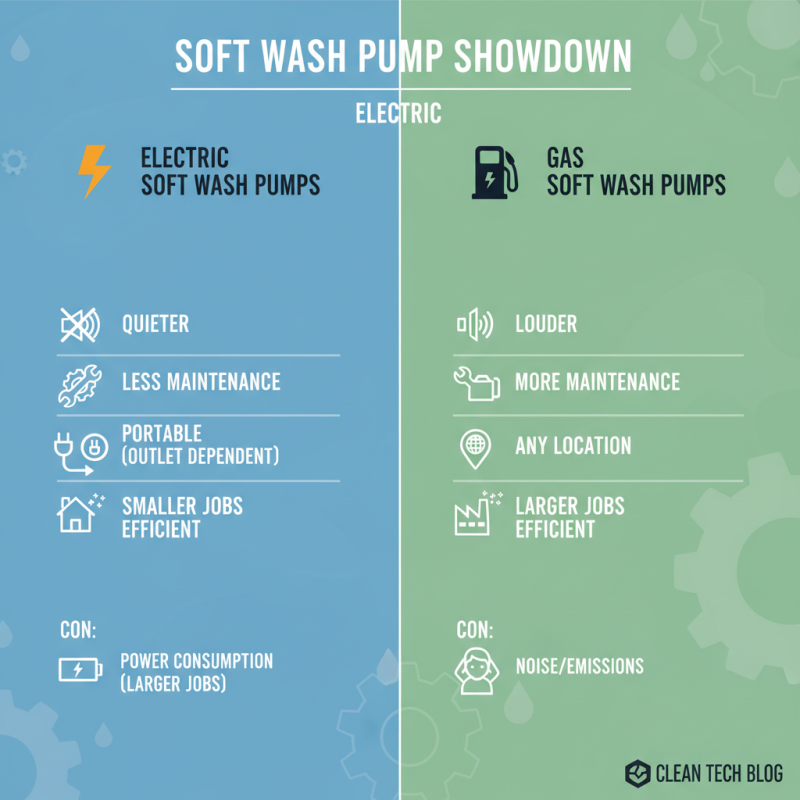
When choosing a soft wash pump, understanding the difference between electric and gas-powered options is crucial. Electric pumps are often quieter and require less maintenance. They are portable, but their use is limited to areas with access to power outlets. For smaller jobs, electric soft wash pumps can be efficient. However, power can be a drawback in larger projects.
Gas-powered pumps, on the other hand, offer greater mobility. They can run anywhere, making them ideal for job sites without power. These pumps typically deliver more pressure and flow rates, suitable for tougher cleaning tasks. Yet, gas pumps can be heavier and noisier. Fuel availability could also pose a challenge if you are working far from supply stores.
Consider the specific tasks you will tackle. Larger, outdoor jobs may benefit from gas options. For residential or smaller tasks, electric models could suffice. Always think about the trade-offs before making your final choice. Each type has its pros and cons; your decision should match your unique needs.
Key Specifications to Consider for Performance and Efficiency
When choosing a soft wash pump, pay attention to key specifications that impact performance. The pump’s flow rate is crucial. Aim for a high GPM (gallons per minute). A higher flow rate means quicker coverage for your surfaces. However, too much power can lead to overspray and wasted solution. Finding balance is key.
Pressure is another important factor. Look for a pump that offers adjustable pressure settings. This allows you to tailor the output to various surfaces. For instance, delicate materials require lower pressure to prevent damage. Heavier surfaces may handle more. Understanding your cleaning needs will help you select the right settings.
Durability should not be overlooked. Consider the materials used in the pump's construction. Plastic might be lightweight, but it can wear out quickly. Stainless steel is more robust but can increase weight. Sometimes, heavier equipment leads to fatigue during use. Evaluate your comfort and ease of operation when selecting. Being mindful of these specifications will enhance your soft washing experience.
How to Choose the Best Soft Wash Pump for Your Needs? - Key Specifications to Consider for Performance and Efficiency
| Specification | Description | Importance |
|---|---|---|
| Pressure Rating | Measured in PSI (pounds per square inch), indicating the maximum pressure the pump can deliver. | Essential for effective cleaning of tough dirt and stains. |
| Flow Rate | Measured in GPM (gallons per minute), showing how much water the pump can move. | A higher flow rate usually means faster cleaning jobs. |
| Self-Priming Capability | Indicates whether the pump can draw water without manual priming. | Convenient for outdoor use and reduces prep time. |
| Power Source | Can be electric, gas, or battery-operated. | Impacts portability and usage depending on job location. |
| Weight | Total weight of the pump unit, affecting transportability. | Lighter models are easier to handle but may have lower specifications. |
| Material | Construction material of pump components, often plastic or metal. | Durable materials can withstand harsh chemicals used in soft washing. |
| Warranty | Duration and coverage of the manufacturer's warranty. | A good warranty can indicate the manufacturer's confidence in their product. |
Assessing Your Cleaning Needs: Flow Rate and Pressure Requirements
When choosing a soft wash pump, flow rate and pressure requirements are critical factors. A high flow rate means faster cleaning. However, it’s essential to not overlook surface types. A pressure of 1500 PSI may work well on concrete but can damage softer materials like wood or shingles. According to the Soft Wash Alliance, the ideal pressure for roofs is often around 400 PSI.
Flow rate is equally important. Most soft wash pumps operate between 2.5 to 4.0 GPM (gallons per minute). A pump generating 3.5 GPM can cover larger areas quickly, ideal for large flat surfaces. However, achieving this flow may require adjustments to your nozzle size, affecting the pressure output.
Think about your cleaning tasks. Residential jobs may need less pressure but higher flow. Commercial applications might require both features balanced. More complex surfaces demand more thoughtful approaches. Always review the surfaces you plan to clean. It’s important to continuously assess cleaning levels and results. Misjudging these aspects can lead to unsatisfactory outcomes or damaged surfaces.
Flow Rate and Pressure Requirements for Soft Wash Pumps
This chart compares the flow rate (GPM) and pressure (PSI) for different soft wash pump categories. The first category shows low flow rates suitable for delicate surfaces, while the last category represents high flow pumps necessary for tough cleaning tasks.
Budgeting and Brand Reputation: Making Informed Choices
When selecting a soft wash pump, budgeting is crucial. Pumps vary widely in price based on features and capabilities. It can be tempting to choose the cheapest option. However, lower prices often come with trade-offs in quality. You might need to replace a cheap pump sooner than expected. That can result in higher costs down the line.
Brand reputation plays a significant role in your decision-making. A well-regarded brand might cost more upfront but offers reliability. Experienced customers often share valuable insights online. Look for reviews that highlight durability and performance. However, not all recommendations are unbiased. Be critical of information gathered and consider personal experiences.
While researching, reflect on your specific needs. A pump that works for one project may not suit another. Don’t overthink every detail, but don’t rush either. Consider your pressure washing frequency and types of surfaces you'll clean. A thoughtful evaluation can lead to better long-term choices. Balancing budget and quality is an art in itself.
Related Posts
-
How to Choose the Right Pressure Gauge for Your Industrial Applications
-
Top 10 Pressure Relief Valves for Optimal Safety and Performance in Industrial Applications
-
Essential Checklist for Choosing the Right Sprayer Parts to Maximize Efficiency and Performance
-
Unlocking Efficiency with Pressure Washer Hose Reels to Enhance Productivity
-
Ultimate Pressure Gauges Procurement Checklist for Global Buyers
-

10 Essential Tips for Choosing the Best Commercial Hose Reel