
How to Choose Pressure Gauges in 2026?
Choosing pressure gauges in 2026 requires more than comparing dial sizes and prices. The right instrument must match pressure range, process media, temperature, vibration, accuracy, and connection type. A gauge installed beside a hot pump may face pulsation, condensation, and sudden pressure spikes. A workshop gauge may need only basic accuracy. These differences matter.
Recent market analyses from Grand View Research and MarketsandMarkets report continued growth in pressure measurement equipment, driven by manufacturing, energy, water treatment, and process automation. Their findings also point toward smarter monitoring, stronger safety requirements, and wider digital integration. However, market growth does not guarantee a suitable purchase. Forecasts describe demand, not your operating conditions.
WIKA CEO Dr. Alexander Wiegand has emphasized, “Pressure measurement is a key technology for industrial processes.” That view remains practical in 2026. A gauge is not merely a round display. It is a measurement device connected to equipment, people, and decisions. NIST guidance on measurement traceability also reminds engineers that reliable readings depend on calibration, uncertainty, and documented procedures.
Start with the real pressure, not the hoped-for pressure. Select a working range that leaves room for normal surges. Consider diaphragm materials carefully when corrosive fluids are present. Choose glycerin filling where vibration blurs the pointer. Use digital models when data logging or remote alarms matter.
A perfect choice is rare.
Even experienced buyers can overlook temperature effects or installation errors. This guide examines those weak points, compares gauge technologies, and explains how to make a defensible selection for modern industrial service.
Define the Pressure, Temperature, and Media Measurement Requirements
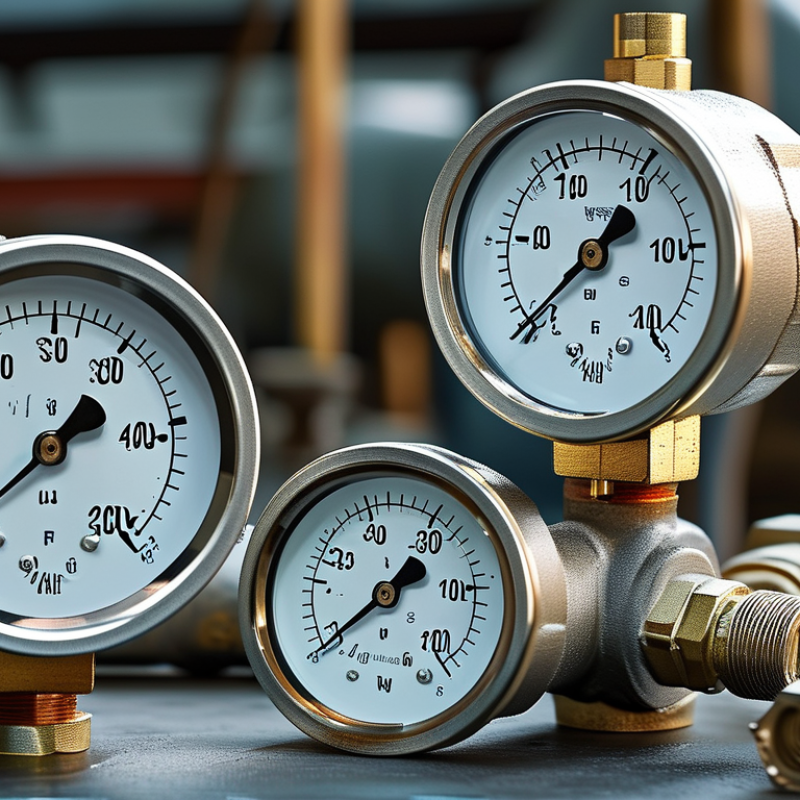
In 2026, selecting a pressure gauge should begin with the measurement definition, not the dial size. Specify operating pressure, maximum pressure, pressure type, and required accuracy. Gauge range should normally place working pressure near the middle of the scale. A gauge can look accurate and still mislead.
Temperature changes affect sensing elements, seals, and calibration. Record normal, minimum, and peak process temperatures. Also check ambient heat near steam lines, furnaces, or outdoor equipment. ASME B40.100 emphasizes performance, safety, and testing requirements for pressure gauges. NIST Technical Note 1297 also explains that measurement uncertainty should be evaluated, not ignored. That detail is often missed.
Media compatibility needs equal attention. Identify whether the process contains water, oil, oxygen, corrosive chemicals, particles, or pulsating flow. Wetted materials, diaphragm seals, fill fluids, and connection materials must match the media. The wrong material may corrode quietly. It may fail suddenly. The U.S. Bureau of Labor Statistics recorded 5,283 fatal occupational injuries in 2023, showing why small measurement decisions deserve serious review.
Tips: Write a one-page measurement sheet before purchasing. Include pressure range, temperature limits, media composition, connection size, accuracy, vibration, and installation position. Confirm the data with process engineers and maintenance technicians. A second review helps. I would also question old specifications; they may describe yesterday’s process, not today’s risk.
| Measurement Application | Pressure Type | Normal Operating Pressure | Suggested Gauge Range | Overpressure and Protection | Process Temperature | Media and Wetted Materials | Accuracy Class | Connection and Dial |
|---|---|---|---|---|---|---|---|---|
| Compressed Air System | Gauge pressure | 6–8 bar 87–116 psi |
0–10 bar 0–150 psi |
Prefer a range that keeps normal pressure near the middle of the scale. Use a damped movement where compressor pulsation occurs. | 5–60 °C 41–140 °F |
Dry, non-corrosive air. Copper alloy wetted parts are generally suitable for clean air service. | 1.0–1.6% of full scale | Radial or rear connection; 63–100 mm dial; units in bar and psi. |
| Hydraulic Power Unit | Gauge pressure | 100–210 bar 1,450–3,045 psi |
0–250 or 0–300 bar 0–3,600 or 0–4,350 psi |
Use a pressure snubber or restrictor for rapid pulsation. Verify that the gauge has adequate static and dynamic pressure ratings. | −20–80 °C −4–176 °F |
Mineral hydraulic oil or approved synthetic fluid. Stainless steel wetted parts are preferred for demanding service. | 0.5–1.0% of full scale | Bottom or back connection; glycerin-filled case may reduce vibration effects; 63–100 mm dial. |
| Water Supply and Pump Discharge | Gauge pressure | 2–6 bar 29–87 psi |
0–10 bar 0–150 psi |
Install a snubber when the pump produces pulsations. Avoid selecting a range only slightly above the normal pressure. | 5–60 °C 41–140 °F |
Clean water. Copper alloy may be suitable for general service; choose corrosion-resistant wetted materials for treated or saline water. | 1.0–1.6% of full scale | Bottom connection for panel or pipe mounting; dual-scale bar/psi dial; 63–100 mm dial. |
| Steam or High-Temperature Process | Gauge pressure | 4–16 bar 58–232 psi |
0–25 bar 0–360 psi |
Use a siphon or condensate loop to protect the sensing element from direct steam temperature. Add a valve for isolation and service. | Process temperature may exceed 180 °C 356 °F |
Steam and hot condensate. Select materials compatible with water chemistry and use a heat-resistant connection arrangement. | 1.0% of full scale | Bottom connection with siphon; 100 mm dial is useful for readability; consider a case designed for elevated ambient temperature. |
| Refrigeration or HVAC Circuit | Gauge pressure or compound pressure | Low-side: approximately −0.5 to 3 bar High-side: approximately 8–30 bar |
Select a dedicated low-side or high-side range according to the refrigerant and system design pressure. | Confirm compatibility with the refrigerant, oil, and maximum allowable pressure. Avoid using a compound scale unless vacuum measurement is required. | −40–60 °C −40–140 °F |
Refrigerant and compressor oil. Use seals and wetted materials specifically compatible with the selected refrigerant. | 1.0–1.6% of full scale | Color-coded or dual-unit dial; vibration-resistant construction; connection size and thread must match the service port. |
| Corrosive Chemical Service | Gauge pressure or differential pressure | Application-specific; commonly 0–6, 0–10, or 0–25 bar | Choose the smallest range that safely covers normal and upset conditions. | Use a diaphragm seal, chemical-resistant diaphragm, or remote seal when direct contact could damage the sensing element. | Confirm both process and ambient temperature limits. | Identify the exact chemical concentration, temperature, and phase. Select wetted materials only after a compatibility review; stainless steel is not universally compatible. | 1.0% of full scale or better when process control requires it | Use a sealed connection, flush diaphragm, or diaphragm seal where clogging or crystallization is possible. |
| Oxygen Service | Gauge pressure | 0–10, 0–16, or 0–25 bar are common ranges, depending on the system | Select a range based on the maximum permitted oxygen pressure and normal operating point. | Use an oxygen-cleaned gauge. Keep the gauge free from oil, grease, and other combustible contamination. | Typically −20–60 °C −4–140 °F |
Oxygen-compatible materials and seals. Material selection and cleaning requirements must follow the applicable safety procedure. | 1.0% of full scale | Clearly marked oxygen service; use a suitable connection and avoid rapid pressurization. |
| Vacuum Pump or Vacuum Chamber | Vacuum or compound pressure | From atmospheric pressure down to approximately 1 mbar absolute, depending on the process | Use a vacuum range for vacuum-only duty; use a compound range when both positive and negative pressure must be read. | Verify the lowest absolute pressure, leak tightness, and resistance to pump-down shock. A gauge pressure scale cannot accurately replace an absolute scale. | 5–50 °C 41–122 °F |
Air, inert gas, solvent vapor, or process vapor. Check elastomer and metal compatibility with vapor contaminants. | 1.0–1.6% of full scale | Use an absolute pressure gauge when barometric changes matter; choose a clear vacuum scale such as mbar, kPa, or inHg. |
| Filter or Strainer Monitoring | Differential pressure | Normal differential pressure commonly below 0.5 bar 7.3 psi |
0–1 bar or 0–1.6 bar 0–15 or 0–25 psi |
Set the range above the clean-filter pressure drop and the specified replacement or alarm pressure. Protect impulse lines from blockage. | Process-dependent; often 5–80 °C 41–176 °F |
Liquid, gas, or contaminated process stream. Use diaphragm materials compatible with the medium and solids loading. | 1.0–2.0% of full scale | Two process connections; use a differential gauge or two isolated pressure gauges when required by the installation. |
| Food, Beverage, and Sanitary Process | Gauge pressure or differential pressure | Application-specific; commonly 0–6 or 0–10 bar | Select a range that places normal pressure between approximately 25% and 75% of full scale. | Use a flush diaphragm where product could collect in a dead leg. Confirm the cleaning and sterilization temperature. | Process and cleaning cycles may range from 5–150 °C 41–302 °F |
Product-contact surfaces must be corrosion-resistant, cleanable, and compatible with the product and cleaning chemicals. | 1.0% of full scale or better | Sanitary diaphragm seal and hygienic connection; select a dial and case suitable for washdown conditions. |
| Outdoor or Washdown Installation | Gauge pressure | Depends on the connected system | Choose the lowest safe range that covers maximum operating and transient pressure. | Use a weather-resistant case and, where vibration or condensation is present, a liquid-filled or suitably sealed design. | Ambient temperature, sunlight, condensation, and freezing conditions must be evaluated. | Select external materials for humidity, salt spray, dust, and cleaning agents; process wetted materials still require separate compatibility review. | 1.0–1.6% of full scale | Choose an enclosure protection level appropriate to the installation; use a clear, UV-resistant window and readable dial markings. |
| High-Vibration Machinery | Gauge pressure | Depends on the machine or system | Use a range that keeps the normal reading near the center of the scale and prevents frequent full-scale excursions. | Use a damped movement, restrictor, snubber, or remote mounting. Check fatigue resistance under repeated pressure cycles. | Typically −20–80 °C −4–176 °F |
Determine the medium first; use appropriate wetted materials and seals for the process fluid. | 1.0–2.0% of full scale | Liquid-filled or vibration-resistant design; consider a remote connection if direct mounting affects readability or service life. |
Related Posts
-

How to Choose the Best Pressure Gauges for Your Needs in 2025
-
Essential Tips for Choosing the Right Pressure Gauges?
-
How to Choose the Right Pressure Gauges for Your Needs?
-

Ultimate Pressure Gauges Procurement Checklist for Global Buyers
-

Exploring Innovative Alternatives to Traditional Pressure Gauges in Industrial Applications
-
How to Choose the Right Pressure Gauge for Your Industrial Applications