How to Choose the Right Artificial Lift Technologies for Oil Wells?
Choosing the right Artificial Lift Technologies for oil wells is crucial for maximizing production. As oil reservoirs deplete, effective lifting methods become essential. The selection process can be complex. Various technologies exist, each with unique advantages and limitations.
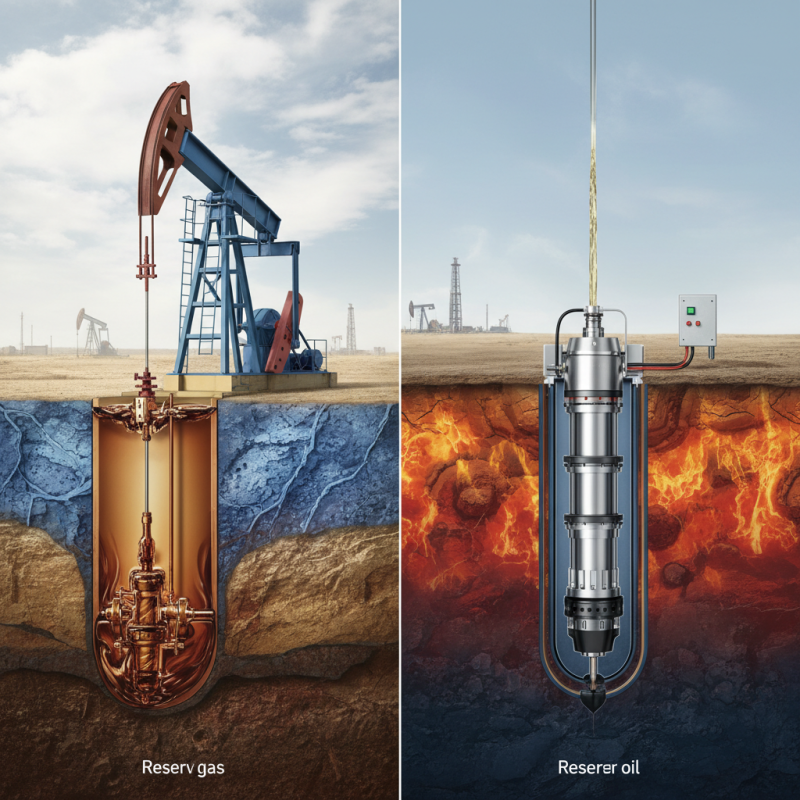
Understanding the specifics of each technology is vital. For instance, sucker rod pumps provide reliability but may require extensive maintenance. Compared to this, electrical submersible pumps deliver high efficiency but might need significant upfront investment. Operators must weigh these factors carefully.
Many overlook the impact of reservoir characteristics on technology choice. Factors like viscosity, temperature, and fluid composition all play a role. Sometimes, the ideal solution may not be the most obvious one. Reflecting on past experiences can guide better decisions. The right choice can lead to enhanced productivity, while a poor one could result in wasted resources.
Understanding Artificial Lift Technologies and Their Applications
Choosing the right artificial lift technology for oil wells can be challenging. Various methods exist, each with its unique benefits and drawbacks. Understanding these technologies is crucial for optimizing production.
Artificial lift technologies include techniques like beam pumps, electrical submersible pumps, and gas lift systems. Each system suits different well conditions. For instance, beam pumps work well in shallow wells, while submersible pumps excel in deeper applications. However, selecting the wrong technology can lead to inefficiencies and increased costs.
It's essential to consider factors like well depth, fluid type, and production rates. A mismatch may hinder production or even damage the well. Moreover, regular maintenance is often necessary. This adds complexity and can increase operating costs. Balancing these aspects is vital but sometimes overlooked. The right choice should reflect both immediate needs and long-term goals for production sustainability.
Artificial Lift Technologies for Oil Wells
Factors Influencing the Selection of Artificial Lift Systems
Choosing the right artificial lift technology involves multiple factors. One key aspect is the reservoir characteristics. Understanding the pressure, temperature, and fluid composition is vital. These details help determine the most efficient lift method. For example, a high gas-to-oil ratio may favor gas lift systems.
Another important factor is the production rate. Wells with fluctuating output might require more flexible solutions. Some systems can adapt to changes in production, while others may struggle. It's crucial to assess maintenance needs too. Complex systems could lead to higher operating costs and downtime.
Consider also the environment in which the well operates. Harsh conditions can limit the choice of artificial lift. For instance, corrosive fluids can damage certain materials. Understanding these limitations can lead to better technology choices. However, it's easy to overlook minor details that could lead to major issues later. Ensuring the right balance between efficiency and resilience is key.
Factors Influencing the Selection of Artificial Lift Technologies for Oil Wells
| Factor | Description | Impact Level |
| Reservoir Characteristics | Includes pressure, temperature, and fluid properties. | High |
| Production Rate | Current and expected production levels can dictate system selection. | Medium |
| Lift Costs | Overall cost of the artificial lift system and maintenance. | High |
| System Efficiency | Efficiency of the lift technology in extracting oil. | High |
| Downtime | Frequency and duration of system failures or maintenance. | Medium |
| Environmental Impact | Consideration of ecological effects and regulations. | Low |
Comparative Analysis of Various Artificial Lift Methods
When selecting artificial lift technologies for oil wells, a thorough comparative analysis is essential. Different methods excel under varying conditions. For instance, rod pumps are popular due to their simplicity and cost-effectiveness. They have been reported to lift fluids from depths of over 8,000 feet. However, they can struggle in high-viscosity environments, creating challenges in production efficiency.
Another method, electrical submersible pumps (ESPs), is widely used in higher production scenarios. ESPs can achieve flow rates of up to 15,000 barrels per day. Data shows that in many fields, they outperform other technologies in deep wells. But they require significant maintenance and have high operational costs. This makes them less attractive for marginal wells.
Gas lift represents a versatile option as well. It allows for easy adjustment based on changing reservoir conditions. However, its effectiveness diminishes in low-pressure situations. The choice ultimately hinges on well specificities and economic considerations. Every method has its shortcomings, requiring operators to weigh performance against cost and operational complexity. Careful assessment of each technology’s advantages and limitations can lead to better production outcomes.
Evaluating Well Conditions for Optimal Artificial Lift Selection
Choosing the right artificial lift technology is crucial. Well conditions play a significant role in this decision. Various factors shape the selection process. Reservoir characteristics, production expectations, and fluid properties must all be evaluated.
When assessing well conditions, start with fluid type. Is it oil, water, or gas? The presence of solids also matters. High solid content can complicate extraction. Ask yourself, how viscous is the fluid? This impacts the lift method you choose. Additionally, evaluate the depth of the well. Deeper wells often require more robust solutions.
Tips: Regularly monitor well performance. Changes over time can inform technology upgrades. Don't hesitate to consult with experts. Their experience can help identify optimal technologies. Keep in mind that no single solution fits all scenarios. Experimentation may be necessary. Consider drawing on historical data to guide decisions. Every well is unique, and learning from past experiences is invaluable.
Cost-Benefit Assessment of Different Artificial Lift Technologies
Choosing the right artificial lift technology is crucial for oil production. A cost-benefit assessment is a practical approach. Different technologies vary in efficiency, installation, and operational costs. It’s essential to analyze these factors thoroughly.
Rod pumps, for instance, are simple and reliable. However, they require regular maintenance, which can add to costs. Gas lift systems, on the other hand, can optimize production in certain conditions, but their initial investment can be high. Evaluation should include the specific well conditions, as well as the expected production rates.
Sometimes, the choice isn't clear. What works for one well may not suit another. Assessing the financial implications of each option is vital. Return on investment should be considered alongside the technology's adaptability to fluctuating production scenarios. Engaging with field operators can provide insights but may also lead to bias. Balancing these factors is key to making an informed decision.