How to Choose the Right Stainless Steel Ball Valve for Your Needs
Choosing the right stainless steel ball valve for your needs is a crucial decision that can significantly impact the efficiency and reliability of your piping systems. According to James Thompson, a seasoned expert in fluid control systems, “The right valve choice not only ensures optimal flow control but also enhances the longevity of your entire system.” With a variety of options available in the market, understanding the specific requirements of your application is vital for selecting a valve that meets your operational demands.
Stainless steel ball valves are renowned for their durability, corrosion resistance, and ability to perform in high-temperature and high-pressure environments. When it comes to selecting the appropriate stainless steel ball valve, factors such as size, pressure rating, and connection type must be carefully considered. This introduction aims to provide insights into the essential criteria for making an informed decision, empowering you to select the most suitable valve for your project. By doing so, you enhance not only the performance of your systems but also ensure safety and efficiency in operations.

Understanding Different Types of Stainless Steel Ball Valves
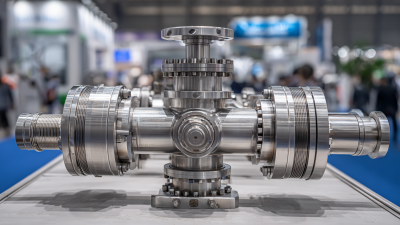
When selecting a stainless steel ball valve, understanding the different types available is crucial to meeting your specific requirements. The two primary designs are floating ball valves and trunnion-mounted ball valves. Floating ball valves have a ball that is not fixed in place, allowing it to move slightly to seal against the valve seat when the handle is turned. This type is ideal for low-pressure applications where leaks are a concern but does not hold up as well under high pressure. In contrast, trunnion-mounted ball valves feature a fixed ball that is supported by a trunnion, making them suitable for high-pressure applications and larger pipe sizes, ensuring better stability and control.
Tips: When choosing a stainless steel ball valve, consider the operating conditions such as pressure, temperature, and media type. The material of the valve is also essential; opting for 316 stainless steel is recommended for corrosive environments due to its enhanced resistance.
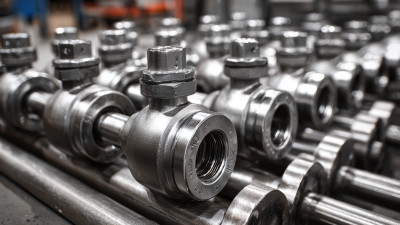
Another factor to think about is the valve's end connections, which can include welded, threaded, or flanged options. Each connection type serves different installation needs and affects the valve's performance. Carefully assess your setup to select the right connection that aligns with your piping system.
Different Types of Stainless Steel Ball Valves
Key Factors to Consider When Selecting a Stainless Steel Ball Valve
When selecting a stainless steel ball valve, there are several key factors that one must consider to ensure the valve meets the specific needs of the application. Firstly, understanding the type of stainless steel is critical – commonly used grades include 304 and 316.
Grade 304 is suitable for applications with moderate corrosion potential, while 316, which contains molybdenum, is better suited for more challenging environments, particularly those involving chloride exposure. According to the report by the Valve Manufacturers Association, the global market for stainless steel valves is projected to grow significantly, underlining the importance of selecting the right materials to enhance durability and performance.
Another crucial consideration is the valve size and type. Proper sizing is essential for optimal flow and performance in a system, as an improperly sized valve can lead to inefficiencies and increased costs. The American Society of Mechanical Engineers (ASME) emphasizes that factors such as pipe diameter, flow rate, and pressure conditions should all be taken into account when determining the appropriate size. Additionally, the design of the ball valve – whether full port or reduced port – can impact fluid dynamics, with full port valves generally allowing a higher flow rate due to their larger bore.
Finally, one should evaluate the valve's pressure rating and temperature compatibility. Stainless steel ball valves typically have a high-pressure rating, often exceeding 2000 psi, but this can vary depending on the manufacturing standards and specifications. A report by the International Association of Plumbing and Mechanical Officials highlights that proper temperature ratings are also vital; valves should be selected based on the maximum and minimum temperatures they will encounter to prevent failure and ensure longevity. By considering these factors—material grade, sizing, and pressure/temperature ratings— users can make a more informed decision tailored to their unique operational requirements.
Evaluating Pressure and Temperature Ratings for Ball Valves
When selecting a stainless steel ball valve, evaluating pressure and temperature ratings is crucial to ensure optimal performance in your specific application. Pressure ratings are typically defined by the valve's material and design, influencing its ability to withstand high or fluctuating pressures without risk of failure. In most cases, these ratings are expressed in terms of PSI (pounds per square inch) or bar. Understanding the maximum pressure your system will exert is essential, as using a valve rated below this threshold can lead to potential leaks, ruptures, or catastrophic failures.
Similarly, temperature ratings play a vital role in determining the suitability of a ball valve for various environments. The right valve must be able to resist not only the temperatures at which it operates but also thermal cycling that can cause material fatigue over time. For instance, if your application involves high-temperature fluids, you must select a valve specifically rated for such conditions, considering both the maximum temperature and the type of medium being handled. Without proper consideration of these ratings, the selected valve may experience diminished functionality, reduced lifespan, or even unsafe operating conditions, underscoring the importance of comprehensive evaluation in the selection process.
Importance of Valve Size and Compatibility in System Design
When selecting a stainless steel ball valve, understanding the importance of valve size and compatibility is crucial for the optimal design of your system. The right valve size ensures that it can handle the flow rate and pressure requirements of your application without causing undue stress or inefficiencies. A valve that is too small may restrict flow and lead to increased wear, while a valve that is too large can lead to turbulence and reduced performance.
**Tips:** Always assess the pipe diameter and the pressure rating of your system before making a decision. Consulting flow rate charts can help in finding the optimal valve size that complements your existing setup. Ensure that the valve size matches the piping system to maintain the desired flow characteristics and prevent potential issues down the line.
Additionally, compatibility with the materials used in your system is essential. Stainless steel valves are highly versatile, but they must be paired with appropriate seals and fittings that can withstand the operating conditions, such as temperature and chemical exposure. This compatibility not only extends the life of the valve but also contributes to the overall reliability of your system.
**Tips:** Regularly review the specifications of all system components, including valves and piping materials, to ensure they work together seamlessly. Consider the environmental factors that could affect the valve's performance, such as temperature fluctuations and exposure to corrosive substances.
Maintenance and Durability Considerations for Stainless Steel Ball Valves
When selecting a stainless steel ball valve, it’s crucial to consider not only the specifications necessary for your application but also the maintenance and durability of the valve itself. Stainless steel is renowned for its resistance to corrosion, which makes it an ideal choice for environments prone to moisture or aggressive substances. However, even stainless steel valves require routine maintenance to ensure optimal performance and longevity. Regular inspection for any signs of wear or damage can help prevent costly downtime and extend the life of the valve.
Additionally, the durability of stainless steel ball valves is largely influenced by their construction and design features. Valves should be properly fitted and maintained to handle the mechanical stresses they encounter during operation. Choosing valves with high-quality seals and a robust body can further enhance their resistance against leaks and mechanical failure. Regular lubrication of moving parts is also essential to prevent seize-up and maintain smooth operation. By prioritizing these maintenance practices, users can optimize the performance and durability of their stainless steel ball valves, ensuring they meet the demands of their specific applications.