Top Tips for Choosing the Best Electric Water Heater?
Choosing an Electric Water Heater can be daunting. With so many options and features available, finding the right one is essential for your home. An efficient Electric Water Heater can save you money and provide reliable hot water for your family’s needs. When selecting a model, consider crucial factors like tank size, energy efficiency, and installation requirements.
Many homeowners underestimate the importance of these choices. For instance, selecting the wrong capacity can lead to insufficient hot water during peak times. You might face high energy bills due to lower efficiency ratings. Seeking advice from experts can help you avoid common pitfalls. Reliable reviews and recommendations can guide you toward the best options available in the market.
In this guide, we’ll explore key aspects of Electric Water Heaters. Our aim is to help you make an informed decision. The right Electric Water Heater will not only enhance your comfort but also ensure safety and efficiency in your home. Knowing what features matter can significantly impact your overall satisfaction. Take the time to understand your needs before making a choice.
Understanding Different Types of Electric Water Heaters Available
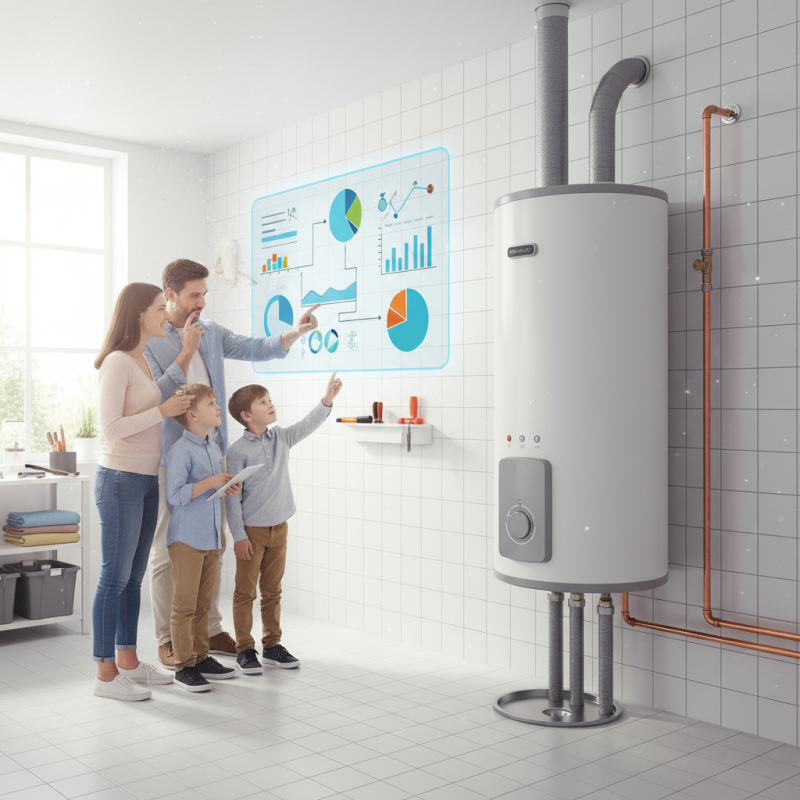
When choosing an electric water heater, it’s crucial to understand the different types available. There are two main categories: tank and tankless water heaters. Tank models store a set volume of hot water. This is useful for households with high demand. However, they can take up significant space and may run out of hot water during heavy use.
Tankless heaters, on the other hand, heat water on demand. They are compact and energy-efficient. This is ideal for smaller homes or apartments. Still, their initial cost can be higher. Some users might find they need multiple units to meet the household demands. It’s essential to assess your hot water needs before deciding.
Consider the energy source as well. Electric heaters can be more efficient and easier to install. However, your location may influence availability and pricing. Different models may have varying warranty periods. This impacts long-term reliability. Not all brands offer robust after-sales service. Evaluate customer reviews for insights. It’s wise to research and compare options without rushing the decision.
Evaluating Energy Efficiency Ratings for Electric Water Heaters
When selecting an electric water heater, energy efficiency ratings play a critical role. These ratings indicate how effectively a unit converts electricity into hot water. Higher ratings generally mean lower energy costs, making your investment more cost-effective over time. Look for models with a high Energy Factor (EF) or Uniform Energy Factor (UEF). A higher EF rating signifies better performance and reduced operational expenses.
It's essential to evaluate the annual energy consumption of different models. This figure helps in comparing potential costs. Keep in mind that even small differences in energy efficiency can lead to significant savings over several years. Consider how often you use hot water and the recovery rate of the heater as well. This rate represents how quickly it can heat water after it's been depleted.
Some buyers may overlook the importance of insulation in water heaters. Well-insulated tanks maintain temperatures longer, reducing the need for constant heating. Diligent research is vital, as even reputable models vary widely in ratings. Don't rush into a purchase solely based on recommendations. Reflect on your specific needs and usage patterns for the best choice.
Important Capacity Considerations for Home Usage
When choosing an electric water heater, capacity is a vital aspect to consider for home usage. The average household requires about 30 to 50 gallons of hot water per day. Factors such as the number of residents and lifestyle habits significantly influence this requirement. For instance, a family of four may need at least a 50-gallon water heater to accommodate daily showers, dishwashing, and laundry.
Research indicates that approximately
70% of homes in the U.S. rely on storage water heaters. These heaters deliver hot water quickly but may struggle to meet high demands simultaneously. Additionally, households with multiple bathrooms may face shortages during peak times. It is crucial to evaluate whether your chosen model can consistently supply adequate water.
Moreover, tankless water heaters are gaining traction. They heat water on demand, which can be efficient for smaller homes. However, the output can vary depending on the heater's capacity, affecting usage for larger families. Experts recommend calculating peak usage times to determine the best option.
Balancing the initial cost with long-term energy savings can also warrant further examination. Each home's needs are unique, making it essential to approach this decision thoughtfully.
Key Features to Look for in Modern Electric Water Heaters
Choosing the right electric water heater can be overwhelming. Modern options offer various features to enhance performance and efficiency. Energy efficiency is one critical aspect. Look for heaters with high Energy Factor (EF) ratings. A higher rating indicates better energy use.
Tankless models are becoming popular. They deliver hot water on demand, reducing energy waste. However, they may not suit larger households. There can be delays in hot water delivery. Consider your household size when opting for tankless systems.
Another feature to explore is insulation. Good insulation minimizes heat loss, saving energy and cost. Look for tanks with thicker insulation. Also, pay attention to warranty and service options. A reliable warranty indicates the manufacturer's faith in the product. However, always read the fine print. Some warranties may have specific conditions that can affect you.
Maintenance Tips to Ensure Longevity of Electric Water Heaters
Maintaining an electric water heater is crucial for its longevity. Regularly check the temperature settings. Ideally, it should be set around 120°F (49°C). Higher temperatures can cause the tank to corrode faster. Don't underestimate the importance of flushing the tank. Sediment can build up over time, reducing efficiency. Aim to flush the tank at least once a year.
Inspect the anode rod periodically. This component protects the tank from corrosion. If it's more than 50% corroded, replace it. Also, consider checking for leaks. Small leaks can lead to bigger problems down the line. Ensuring the area around the heater is clean and free from debris also helps prevent any potential hazards.
Lastly, pay attention to strange noises. If the heater starts making popping or rumbling sounds, it might be a sign of sediment buildup. This often indicates that immediate action is needed. A little diligence goes a long way in maintaining your electric water heater and can save you money in the long term. Regular checks might seem tedious, but they are essential for ensuring a reliable hot water supply.