How to Choose the Right Brass Fittings for Your Plumbing Projects?
In the realm of plumbing, choosing the right components is crucial to ensure a reliable and efficient system. Brass fittings, known for their durability and resistance to corrosion, are a popular choice for many plumbing projects. According to John Smith, a leading expert in the plumbing industry, “Selecting the correct brass fittings can make all the difference between a successful installation and a costly repair.” His insights underline the importance of understanding the specific requirements of your project when selecting these components.
When considering brass fittings, one must take into account factors such as the pressure and temperature of the water they will be handling, as well as the compatibility with existing plumbing materials. The right brass fittings can enhance the longevity and performance of your plumbing system, ultimately saving time and money. As you embark on your plumbing endeavors, it's essential to delve into the various types of brass fittings available and their respective applications. By doing so, you can ensure a successful installation that meets both your immediate and long-term needs.

Understanding the Different Types of Brass Fittings in Plumbing
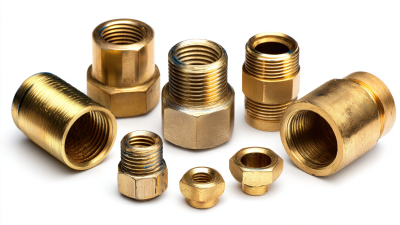
When selecting brass fittings for plumbing projects, it's essential to understand the various types available to ensure optimal performance and durability. Brass fittings are categorized primarily into several types, including compression fittings, threaded fittings, and solder fittings. Compression fittings are often used for connecting two pipes or a pipe to a fixture without the need for soldering, making them ideal for DIY projects. According to a report from the plumbing industry, approximately 30% of plumbing professionals prefer compression fittings for their ease of installation and reliability in low-pressure systems.
Threaded fittings, on the other hand, are designed with male and female threads, allowing for a secure connection between pipes. These fittings are particularly useful in high-pressure applications, where strength and leak prevention are critical. The same industry report indicates that around 60% of plumbing contractors rely on threaded fittings for their robustness and versatility, often using them in both residential and commercial plumbing systems. This shows the importance of selecting the appropriate type of fitting based on the specific needs of the project.
Lastly, solder fittings, although less common in modern plumbing due to the rise of newer connection methods, still hold significance, especially in systems that require a permanent and watertight bond. Understanding the specific application requirements and the properties of each fitting type is crucial for achieving a successful plumbing project. By carefully considering these factors, you can choose the right brass fittings that meet the demands of your plumbing installations.
Key Factors to Consider When Choosing Brass Fittings
When selecting brass fittings for plumbing projects, several key factors must be considered to ensure optimal functionality and durability. First, understanding the specific application standards is critical. According to industry reports, over 50% of plumbing failures can be attributed to improper fitting choices. This highlights the importance of selecting fittings that meet relevant industry specifications, such as ASTM B283, which outlines the chemical and mechanical properties necessary for brass materials used in plumbing.
Next, size compatibility is a crucial factor. Brass fittings come in various sizes, and ensuring that they match the existing pipes is essential to prevent leaks and system failures. It is recommended to consult detailed sizing charts provided by industry standards, as a mismatch can lead to a 30% increase in maintenance costs, as noted in a recent study by the Plumbing Manufacturers International (PMI). Additionally, consider the type of sealing method required, as threaded, soldered, or compression fittings each have their advantages and can affect the longevity of the plumbing system.
Lastly, the environmental conditions in which the fittings will be used cannot be overlooked. Brass is highly resistant to corrosion, but factors such as water pH and temperature variations can impact its performance. Reports by the American Society of Plumbing Engineers indicate that brass fittings can last significantly longer in neutral pH environments. By factoring in these critical considerations, you can make informed choices that enhance the reliability and efficiency of your plumbing projects.
Analyzing Size and Compatibility in Brass Plumbing Fittings
When choosing brass fittings for your plumbing projects, size and compatibility are crucial factors that can greatly impact the efficiency and longevity of your plumbing system. It's essential to measure the existing pipes accurately, as the diameter and thread type of the fittings must match. Standard sizes are available, but variations can occur based on the manufacturer and application. Always consult relevant size charts or guides to ensure you’re selecting the correct fittings for your specific needs.
Tips: When measuring pipe sizes, remember to take into account the outside diameter (OD) for butt fittings and the inner diameter (ID) for slip fittings. Double-check your measurements before purchasing to avoid costly mistakes. Compatibility with existing plumbing is another key consideration. Ensure that the brass fittings you select are suitable for the type of pipes in your system, whether they are copper, PVC, or other materials, as mismatched connections can lead to leaks or failures.
Additionally, consider the application of the plumbing system. For instance, fittings used in high-pressure applications may require a different gauge or configuration compared to those in residential plumbing. It’s advisable to consult with professionals or experienced plumbers if unsure about specifications. Taking the time to analyze size and compatibility will help you make informed decisions, ensuring a reliable and efficient plumbing system.
The Importance of Corrosion Resistance in Brass Fittings Selection
When selecting brass fittings for plumbing projects, the importance of corrosion resistance cannot be overstated. Brass fittings, commonly used due to their durability and malleability, often face challenges from moisture and various chemical environments. Corrosion can significantly reduce the lifespan of plumbing systems, leading to costly repairs and potential system failures. According to a report by the International Copper Association, brass fittings with higher zinc content can offer better resistance to dezincification, a common form of corrosion that can weaken the material over time.
The ideal choice involves understanding the specific environment in which the fittings will be used. For example, in applications where exposure to aggressive water or chemicals is likely, selecting brass fittings with enhanced corrosion-resistant properties is crucial. A study conducted by the American Society of Plumbing Engineers highlights that fittings specifically designed with corrosion resistance can extend the operational life of plumbing systems by up to 50%. Furthermore, the alloy composition plays a vital role; fittings with low lead content are increasingly favored not only for safety but also for superior performance under harsh conditions, enhancing the integrity of the entire plumbing installation.
Evaluating Cost vs. Quality in Brass Fitting Options for Projects
When selecting brass fittings for plumbing projects, it’s crucial to evaluate the delicate balance between cost and quality. Industry reports indicate that while cheaper fittings may initially appear attractive, they often lead to higher long-term costs due to frequent replacements and potential plumbing failures. According to the Plumbing Manufacturers International (PMI), approximately 20% of plumbing system failures can be attributed to subpar fittings, which drive up maintenance expenses and labor costs significantly.
Investing in high-quality brass fittings can offer better durability and resistance to corrosion, ultimately resulting in fewer leaks and system failures. A study from the American Society of Plumbing Engineers (ASPE) highlights that quality brass fittings can last up to 20% longer than lower-cost alternatives, providing a more sustainable solution for both residential and commercial plumbing systems. This longevity not only reduces the need for replacements but also minimizes the environmental impact associated with manufacturing and disposing of inferior products, positioning quality brass fittings as a more economical choice in the long run.
Brass Fittings Cost vs. Quality Analysis