How to Choose the Right Electrical Steel for Your Project?
Choosing the right Electrical Steel is crucial for any project. It impacts efficiency and performance significantly. As John Smith, an expert in the electrical materials industry, stated, "Selecting the right Electrical Steel can make or break your project's success."
In today's market, various types of Electrical Steel are available. Each type serves a specific function. You must consider factors like core loss, magnetic permeability, and thickness. These elements directly influence your project's output. Making the wrong choice can lead to increased costs and inefficiencies. Too often, engineers settle for generic solutions. This may lead to unpleasant surprises down the road.
Understanding your project's unique requirements is essential. Electrical Steel is not a one-size-fits-all solution. It requires careful evaluation. Misunderstandings can arise from lack of knowledge. Engineers must seek expert advice when uncertain. This is where experienced consultants play a vital role. Their insights can guide you toward the best Electrical Steel for your needs.
Understanding Different Types of Electrical Steel Used in Industry
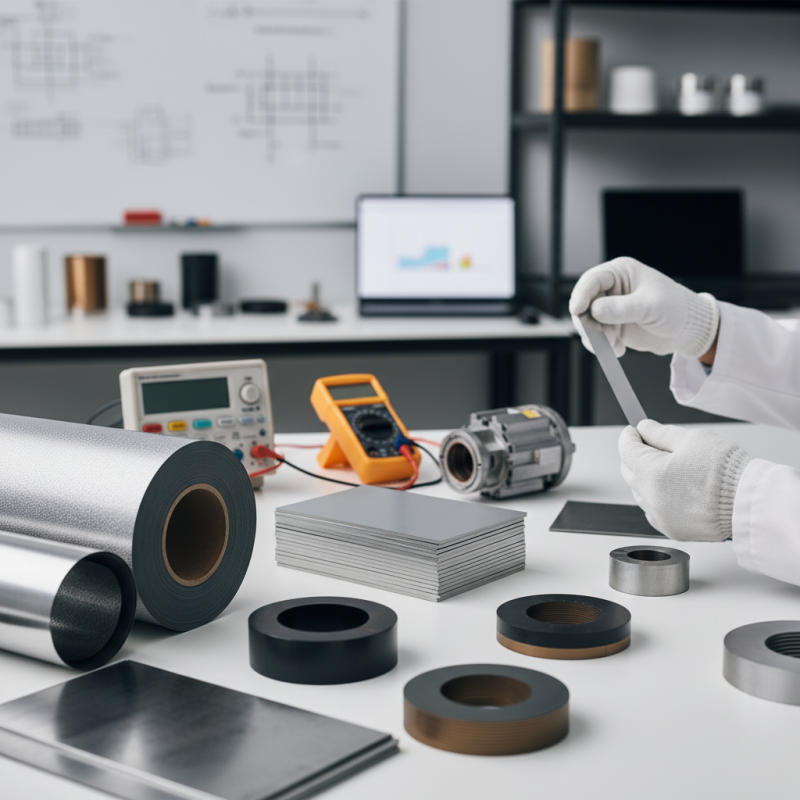
When selecting electrical steel, it's vital to understand the different types available. Electrical steel is categorized mainly into silicon steel and non-oriented steel. Silicon steel, with up to 6.5% silicon, offers improved magnetic properties. This makes it perfect for transformers and electric motor applications. In contrast, non-oriented electrical steel provides uniform magnetic characteristics. This equates to better performance in various angles of magnetization.
The global demand for electrical steel is projected to grow at a compound annual growth rate (CAGR) of 5% through 2028. Notably, the automotive sector is a key driver in this growth, as electric vehicles require more efficient materials. In recent reports, it was found that around 60% of electrical steel is employed in auto manufacturing.
However, not all electrical steel is created equal. Variability in material quality can lead to performance issues. Tests show that inferior-grade steel can cause energy losses up to 20% higher than quality grades. Manufacturers need to pay attention to these nuances. Choosing the right steel isn't just about specifications; it’s also about having the right insights into the market's evolving needs.
Types of Electrical Steel and Their Magnetic Properties
Key Properties to Consider When Selecting Electrical Steel
When selecting electrical steel for your project, it's essential to consider several key properties. Magnetic permeability is critical. It determines how easily the material can magnetize. Higher permeability means better efficiency. This property significantly affects the performance of transformers and electric motors.
Another important aspect is the steel's core loss. Lower core loss is preferable as it reduces energy waste. This is especially crucial in high-frequency applications. Thickness and grain orientation should also be assessed. Thin laminations can help minimize eddy current losses. The orientation of the grains influences how effectively the steel performs under magnetic fields.
It's important to reflect on the application. Different uses require different types of electrical steel. A lack of clarity in specifications may lead to performance issues. Testing materials under real-world conditions can reveal their true capabilities. Making an informed choice requires careful consideration. Don't rush this decision; it could impact your project's success significantly.
Applications and Performance Requirements for Electrical Steel
Choosing the right electrical steel involves understanding its applications and performance requirements. Electrical steel is essential in transformers, motors, and generators. These components rely on the material's magnetic properties for efficiency. According to the International Energy Agency, about 43% of global electricity generation uses transformers. Hence, selecting the proper steel is crucial.
Magnetic permeability and core loss are key factors. High silicon content significantly improves performance. For instance, lower core losses can reduce energy consumption by up to 20%. The thickness of the steel also impacts efficiency. Thinner sheets often yield better performance, but they can be more challenging to manufacture.
Another critical aspect is thermal properties. Electrical steel must withstand heating caused by electrical currents. This can affect overall performance. Proper cooling mechanisms are also necessary to prevent overheating. Some manufacturers struggle with maintaining consistent quality, which can lead to product failures. Reflecting on these challenges can guide future improvements in material selection.
How to Choose the Right Electrical Steel for Your Project? - Applications and Performance Requirements for Electrical Steel
| Type of Electrical Steel | Applications | Core Loss (W/kg) | Magnetic Flux Density (T) | Thickness (mm) |
| Silicon Steel | Transformers, Motors | 0.5 - 2.0 | 1.5 - 2.1 | 0.5 - 0.65 |
| Electrical Steel Sheet | Induction Motors, Generators | 0.8 - 1.5 | 1.6 - 2.0 | 0.35 - 0.5 |
| Grain-Oriented Steel | Power Transformers | 0.4 - 1.2 | 1.7 - 2.2 | 0.2 - 0.35 |
| Non-Oriented Steel | Small Motors, Appliances | 1.0 - 2.5 | 1.5 - 1.9 | 0.35 - 0.65 |
Factors Influencing the Cost of Electrical Steel Choices
Selecting the right electrical steel for your project involves understanding various cost factors. One key element is material grade. High-grade electrical steel often provides better magnetic properties. According to the International Journal of Applied Electromagnetics and Mechanics, the price difference between standard and premium grades can be more than 20%. This is significant for bulk orders.
Production methods also impact costs. Cold-rolling vs. hot-rolling techniques create different electrical steel qualities. Cold-rolled sheets typically cost more due to their manufacturing complexity. Reports indicate that cold-rolled electrical steel can increase project expenses by 15%-30%. This may lead to reflections on budgeting and project scope.
The thickness of the steel plays a role too. Thinner sheets generally have a higher price per unit area. Suppliers often charge a premium for precision thickness. In some cases, this markup can reach up to 25%. Such variations call for careful supplier negotiations. Balancing quality with budget constraints is crucial for project success.
Best Practices for Sourcing and Testing Electrical Steel材料
When sourcing electrical steel, understanding key specifications is essential. The magnetic properties, like permeability and saturation flux density, directly impact performance. For instance, grain-oriented electrical steel typically shows better efficiency in transformers compared to non-oriented variants. Industry reports indicate that up to 10% energy losses can occur when the wrong type is used.
Testing plays a crucial role in verification. Ensure compliance with established standards such as ASTM or IEC. These standards help maintain consistency and reliability. A total of 80% of manufacturers fail to conduct adequate testing for magnetic properties, risking product efficacy and longevity.
Tips: Always request sample materials before bulk ordering. This helps you assess quality firsthand. Consider engaging third-party testing services to validate your results. Quality checks should not be overlooked; they can reveal unexpected variances. Over time, review your sourcing practices; the right material can greatly improve project outcomes.