How to Choose the Right Pressure Washer Pump for Your Needs?
Choosing the right pressure washer pump is crucial for effective cleaning. A pressure washer pump determines the power and efficiency of the device. Selecting the wrong pump can lead to dissatisfaction with your cleaning results.
Many factors come into play when choosing a pressure washer pump. You should consider flow rate, pressure, and compatibility with your pressure washer. Not all pumps suit every task. For instance, a high-pressure pump may not be necessary for light cleaning jobs.
Reflect on your cleaning needs. Are you tackling stubborn stains or just washing your patio? Sometimes, people overlook the significance of matching the pump to their specific requirements. Understanding this can prevent wasted money and effort.
Understanding Different Types of Pressure Washer Pumps
When selecting a pressure washer pump, understanding the different types available is crucial. Commonly, there are three main types: axial, triplex, and gear pumps.
Axial pumps are often lighter, making them easy to handle. However, they may lack the durability required for heavy-duty tasks. For example, they typically last for about 300 hours of use.
Meanwhile, triplex pumps offer a longer lifespan, sometimes exceeding 2,000 hours. They work well for commercial applications and are built for high-performance cleaning.
Gear pumps can also be a good choice, particularly for transferring cleaning solutions. They operate differently and may not provide the higher pressure levels of axial or triplex types.
According to industry data, the type of pump can affect cleaning efficiency by up to 50%. Choosing the right pump requires careful consideration of your cleaning needs. What is suitable for one job may not suit another. Assessing the specific tasks you plan to take on is vital.
Many users underestimate the importance of pump selection. They might choose based on price rather than performance and durability. This can lead to complications. If a pump fails prematurely, it affects productivity.
It’s essential to reflect on your choices. The right pump makes all the difference in efficiency and satisfaction. Choose wisely.
Factors to Consider When Choosing a Pressure Washer Pump
Choosing the right pressure washer pump can seem challenging. There are several key factors to keep in mind. Your cleaning tasks will dictate the type of pump you need. Light tasks, like washing cars, may require a less powerful pump. Heavy-duty jobs demand a more robust pump.
Consider the water source. Will you use a garden hose or draw from a tank? Not all pumps handle different sources equally. Next, think about the pressure output. Measured in PSI, higher pressure means more cleaning power. However, too much pressure can damage fragile surfaces. Aim for a balance.
The pump's durability matters too. A well-built pump can save you money in the long run. Look for materials like brass or stainless steel. They tend to last longer. Inadequate research might lead to a bad purchase. Take time to compare options. Think carefully about your needs before deciding.
How to Choose the Right Pressure Washer Pump for Your Needs?
| Factor |
Description |
Importance Level |
| Type of Pump |
Electric vs Gas-powered pumps. |
High |
| GPM (Gallons Per Minute) |
Flow rate affects cleaning speed. |
High |
| PSI (Pounds per Square Inch) |
Pressure indicates cleaning power. |
High |
| Material Quality |
Durability and lifespan of the pump. |
Medium |
| Maintenance Requirements |
Ease of maintenance affects long-term usage. |
Medium |
| Portability |
Weight and ease of movement. |
Low |
| Noise Level |
Noise can be a concern in residential areas. |
Low |
Comparing Electric and Gas Pressure Washer Pumps
When selecting a pressure washer pump, understanding the differences between electric and gas options is crucial. Electric pressure washer pumps are typically quieter and more compact. They are perfect for light household tasks. Think about cleaning patios or washing cars. These pumps start instantly and require less maintenance. However, they may struggle with tougher stains and embedded dirt.
Gas-powered pumps provide more power and versatility. They excel in heavy-duty cleaning tasks. Picture cleaning large driveways or removing stubborn grease stains. These machines can operate for longer periods without needing a recharge. Yet, they are louder and heavier. This can be daunting for some users. Gas pumps also require more upkeep, considering fuel and oil changes.
Choosing the right pump involves weighing these factors against your needs. Do you prioritize portability or power? Assess the type of cleaning tasks you frequently handle. Your decision should reflect both capability and convenience, ensuring your investment is purposeful.
Comparison of Electric and Gas Pressure Washer Pumps
Evaluating Pump Specifications and Performance Ratings
When selecting a pressure washer pump, evaluating pump specifications is crucial. Look for key indicators like gallons per minute (GPM) and pounds per square inch (PSI). Higher GPM means the pump can expel more water quickly. Meanwhile, a higher PSI measures the pressure of the water. Balancing these two factors ensures effective cleaning power.
Performance ratings provide insight into the pump's reliability and efficiency. Read user reviews to gauge real-world performance. Some pumps may excel in pressure but falter in flow rate. Others might be quieter, yet lack the power needed for tougher jobs. Pay attention to materials—ceramic pistons tend to last longer than plastic ones.
While many pumps seem powerful on paper, they may not deliver in practice. It's vital to match the pump to your specific tasks. For example, heavy-duty tasks might require a different setup than light cleaning. Always reflect on your cleaning needs before making a choice. Remember, the most expensive option isn't always the best for your situation. Selecting wisely can save time and money.
Maintenance Tips for Optimal Pressure Washer Pump Functionality
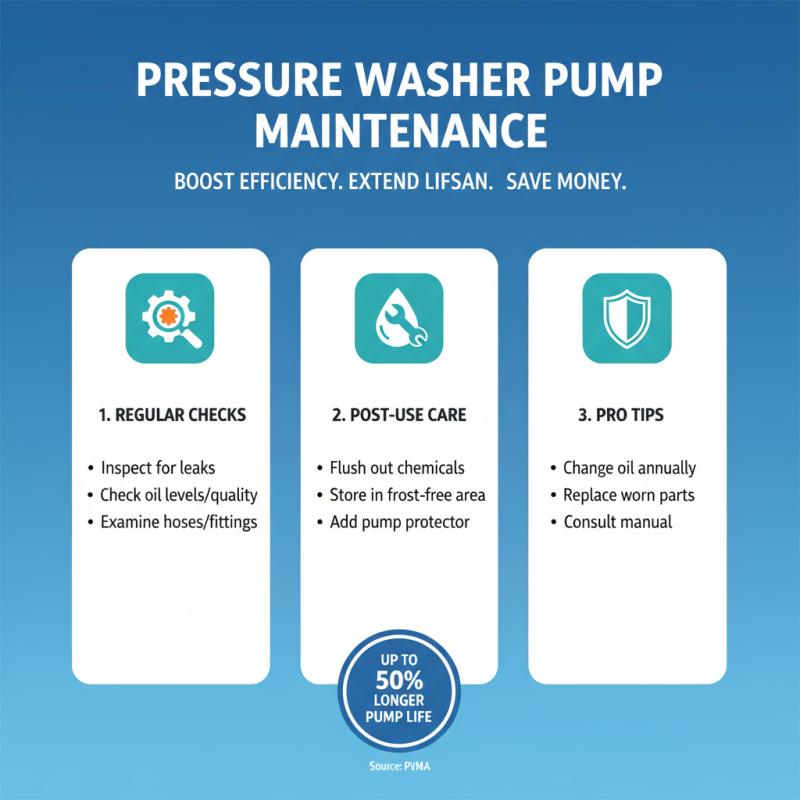
Maintaining your pressure washer pump is essential for optimal performance. A well-maintained pump enhances efficiency and extends the equipment's lifespan. According to the Pressure Washer Manufacturers Association, proper maintenance can increase a pump's life by up to 50%. Regular checks can save you from costly repairs and replacements.
One important tip is to check the oil level regularly. Low oil can lead to overheating. Ensure you replace the oil as recommended by the manufacturer. This simple task keeps your pump running smoothly. Another tip is to keep the pump clean. Debris can clog essential parts, leading to reduced performance. A quick rinse after use prevents buildup.
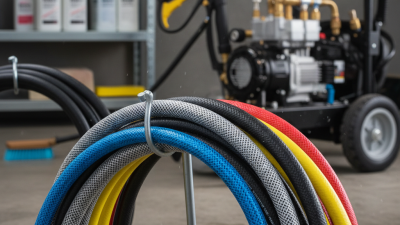
Additionally, inspect hoses and connections for leaks. Leaks can significantly affect pressure and efficiency. Ensure all fittings are tight, and replace any damaged hoses promptly. It's easy to overlook these small details, but they make a big difference in pump health. Neglect can lead to performance issues, which could have been avoided with a bit of diligence. Remember, consistent maintenance equals reliable operation.