How to Choose the Right Relief Valve in 2026?
Choosing the right relief valve in 2026 requires more than comparing purchase prices. It demands a clear understanding of pressure, temperature, fluid behavior, discharge conditions, and maintenance access. A small sizing error can create a visible problem: unstable opening, repeated leakage, or an overstressed pipe. The U.S. Chemical Safety Board’s investigation reports repeatedly show how weak process-safety decisions can escalate into serious industrial incidents. The lesson is direct. Valve selection belongs inside a documented safety process.
Recent industry reports also show why this decision is becoming more technical. Grand View Research’s 2024 pressure relief valve market analysis highlights continued demand from chemical processing, energy, and manufacturing. MarketsandMarkets’ industrial safety research points to stricter monitoring and more connected equipment. However, market growth does not guarantee better selection. API 520, API 521, and API 526 remain essential references for sizing, installation, reaction forces, and standardized dimensions. Local codes and the equipment manufacturer’s instructions must also be checked.
Real equipment rarely behaves like a perfect spreadsheet. Fluid composition can change. Backpressure may rise after commissioning. Maintenance teams may need access while wearing gloves near a hot line. These details matter. A practical choice begins with verified design data, then tests the valve against credible operating scenarios. This guide is not flawless. It may simplify some plant-specific conditions. That limitation deserves attention. Still, it offers a disciplined path for evaluating set pressure, capacity, materials, connection type, certification, and lifecycle support before selecting a relief valve.
Relief Valves: Purpose, Function, and Main Types
Relief Valves: Purpose, Function, and Main Types
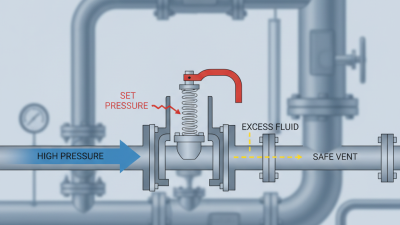
A relief valve protects equipment when pressure exceeds a safe operating limit. It opens, releases excess pressure, then closes after conditions stabilize. This simple action can prevent vessel rupture, production loss, and serious injuries. The U.S. Chemical Safety Board reviewed 167 reactive incidents, reporting 108 fatalities and 358 injuries. Its findings show why overpressure protection deserves more than a routine checklist.
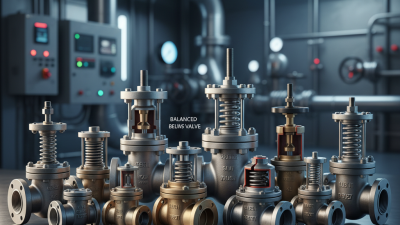
The main types include spring-loaded safety valves, pilot-operated relief valves, and pressure-vacuum relief valves. Spring-loaded designs suit many steam and liquid services. Pilot-operated valves handle high pressure and larger flow rates, but they need clean pilot systems. Pressure-vacuum valves protect storage tanks during filling, emptying, and temperature changes. Not every valve fits every medium. Viscous fluids, corrosion, back pressure, and discharge piping can change the selection completely.
Engineers commonly follow ASME Boiler and Pressure Vessel Code Section VIII and API 520 for sizing and installation. API 521 also addresses disposal systems and possible overpressure scenarios. API RP 754 encourages process safety indicators, including demands on protective systems. A 2024 industry market report by Fortune Business Insights estimated the global safety valve market at over USD 5 billion, reflecting continuing investment in pressure protection. Market size does not prove suitability. In practice, a valve may look correctly sized but still respond too slowly, chatter, or discharge into an unsafe location. That detail is easy to miss. Recheck the scenario, not just the catalog rating.
How to Choose the Right Relief Valve in 2026?
The chart shows the maximum allowable pressure accumulation above the vessel's maximum allowable working pressure under common ASME Section VIII design conditions.
A higher accumulation allowance generally requires careful selection of the relief device capacity, set pressure, discharge system, and service type.
Reference: ASME Boiler and Pressure Vessel Code, Section VIII, Division 1, pressure-relief device requirements. Always verify the applicable edition, jurisdiction, process conditions, and valve certification before specifying equipment.
Identify System Conditions and Pressure-Protection Requirements
How to Choose the Right Relief Valve in 2026?
Start with real system conditions, not a catalog pressure. Record the maximum allowable working pressure, normal operating range, temperature, fluid phase, corrosion risk, and possible blockage points. A relief valve for flashing liquid behaves differently from one protecting a clean steam line. Check backpressure, discharge piping, and maintenance access during the site walkdown. Small details matter.
Pressure-protection requirements must follow the governing code and process scenario. ASME BPVC Section VIII commonly limits accumulation to 10% for many non-fire cases and 21% during fire exposure, subject to the applicable design rules. API 520 Part I provides sizing methods for gas, steam, and liquid service. API 521 adds guidance for credible overpressure causes, including thermal expansion and utility failure. ISO 4126-1 also defines general safety-valve requirements.
I have seen calculations fail because the blocked-outlet case was overlooked. It happens. Review every credible scenario, then verify the valve’s certified capacity against the required relieving rate. Material compatibility deserves equal attention; corrosive condensate can quietly weaken a spring, seat, or nozzle. The 2024 Global Industrial Safety Report from the International Association of Safety Professionals highlights human error and inadequate verification as persistent contributors to incidents. A spreadsheet is not proof. Field evidence, independent review, and documented testing remain essential.
Match Valve Materials, Size, Set Pressure, and Operating Medium
How to Choose the Right Relief Valve in 2026?
Match Valve Materials, Size, Set Pressure, and Operating Medium
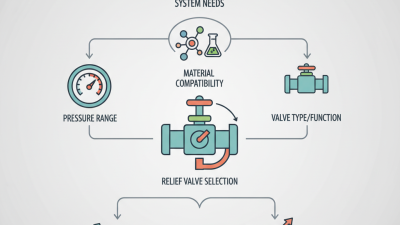
Choosing a relief valve starts with the process, not the catalog. Confirm the medium, temperature, pressure, and corrosion risk. Stainless steel may suit wet service, while alloy materials can better resist aggressive chemicals. Material compatibility must include the body, spring, seat, and seals. A strong-looking valve can still fail through a small seal.
Size the valve for the real relieving case, such as fire exposure, blocked discharge, or runaway reaction. Gas, steam, and liquid services require different capacity calculations. Set pressure should remain within the vessel’s allowable working pressure and applicable local code. Also check built-up backpressure, because a correct set point may perform poorly in a restricted discharge line. API 520 and API 521 provide useful engineering guidance, but certified calculations remain essential.
Tips: Record the operating medium’s density and temperature at relieving conditions. Ask for certified flow data and material documentation. Review the discharge route in the field, not only on a drawing. A neat spreadsheet is not proof. Even experienced teams sometimes select a valve from normal operating data instead of emergency conditions. That shortcut deserves a second review. Consult a qualified pressure-systems engineer before final approval.
Evaluate Standards, Certification, Installation, and Maintenance Needs
Choosing the right relief valve in 2026 starts with standards, not catalog size. ASME Section VIII requires pressure vessels to have suitable overpressure protection, while API 520 addresses sizing, selection, and installation. ISO 4126 also defines safety-device performance requirements. These documents differ in scope. A valve accepted for steam may perform poorly with flashing liquid or corrosive gas. Confirm set pressure, relieving temperature, backpressure, fluid phase, and required capacity. Small details matter.
Certification must match the installation jurisdiction. Review material certificates, test records, calibration results, and conformity documents before purchase. The 2024 Global Risks Report identifies critical infrastructure failure as a major business concern, reinforcing the cost of weak verification. It is not valve-specific data, but the warning is relevant. A certificate alone cannot prove field suitability.
Installation often decides whether a compliant valve works. Keep inlet losses within the applicable code limits, support discharge piping, and prevent moisture collection. API 576 recommends documented inspection practices, including checking corrosion, blockage, leakage, and set-pressure drift. Maintenance intervals should follow service severity, not habit. High-cycle service may require earlier testing than a calendar-based plan. I have seen drawings pass review while access for removal was nearly impossible. That deserves reflection. Select a valve that technicians can isolate, test, and replace safely. Record every adjustment, failed test, and process change. A reliable decision combines code compliance, certified evidence, practical installation, and honest maintenance planning.
Compare Valve Performance, Lifecycle Cost, and 2026 Technology Trends
How to Choose the Right Relief Valve in 2026?
Relief valve selection now depends on more than set pressure and connection size. A 2024 pressure relief valve market assessment projects steady growth through 2029, driven by stricter process safety requirements and smarter monitoring. That trend matters. Plants increasingly need valves that prove performance, not just meet a catalogue specification.
Start with real operating conditions. Record normal pressure, temperature, fluid density, back pressure, corrosion risk, and possible fire exposure. Then compare certified capacity against the required relieving load under API 520 and API 521 methods. A valve that opens accurately but leaks after repeated lifting can create higher lifecycle costs. Testing history, seat material, inspection access, and spare-part availability deserve equal attention.
Lifecycle cost is often underestimated. A lower purchase price may bring frequent removal, calibration, and production interruptions. The 2023 International Energy Agency energy efficiency report links digital monitoring with better industrial performance, but data alone does not prevent poor decisions. Wireless position sensors, remote diagnostics, and condition-based maintenance can identify gradual leakage before a visible discharge. Useful, but imperfect. Sensor drift still needs field verification.
For 2026 projects, compare five-year costs, not quotations alone. Include testing labor, downtime, replacement seals, disposal, and training. Require traceable certificates and documented test results. Independent inspection adds confidence, especially when service conditions change. The best valve is not always the most advanced. It is the one that protects the process, remains maintainable, and performs predictably under pressure.