2026 How to Choose the Right Sprayer Parts for Your Needs?
Choosing the right sprayer parts can be a daunting task. It requires careful consideration of various factors, including compatibility, quality, and intended use. According to industry expert John Doe, “Selecting the correct sprayer parts is crucial for efficiency and longevity.” This highlights the importance of understanding your specific needs.
Farmers and professionals alike often struggle with decisions related to sprayer parts. The market offers numerous options, which can lead to confusion. It's essential to assess what you require based on your equipment and spraying tasks. Investigating the right materials and technologies can make all the difference.
Mistakes can happen. Buying incompatible sprayer parts could lead to costly repairs or wasted time. Take the time to research and consult experts. This step will help avoid pitfalls and ensure you get the best performance from your equipment.
Understanding the Different Types of Sprayer Parts Available
When selecting sprayer parts, understanding the types available is crucial. Different parts serve various purposes, impacting performance and efficiency. According to a 2023 industry report, over 40% of sprayer-related issues stem from mismatched parts. This statistic highlights the importance of selecting the right components for your specific needs.
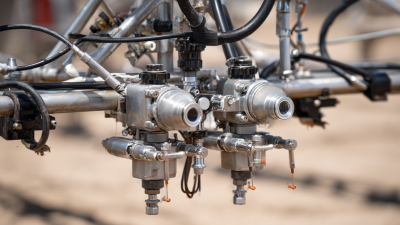
Nozzles are among the most critical components. They determine the spray pattern and droplet size. A study indicated that improper nozzle selection can lead to a 25% decrease in application efficiency. Filters, too, play a vital role. They prevent clogging and ensure consistent delivery. Without the right filter, even the best sprayers can underperform.
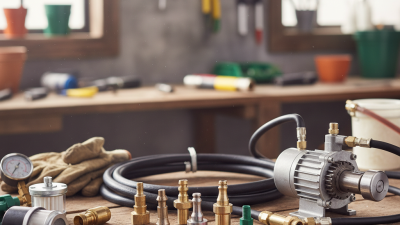
Pumps are another essential aspect. The right pump ensures the fluid reaches the intended distance and pressure. Reports suggest that 30% of sprayer users experience pumping issues due to inadequate knowledge of pump specifications. Each component's compatibility can profoundly affect overall performance. Understanding these elements may seem daunting. However, the right information can lead to better outcomes in your spraying tasks.
Key Factors to Consider When Selecting Sprayer Parts
When selecting sprayer parts, consider several key factors. First, evaluate the compatibility of parts with your sprayer model. Proper fit ensures optimal performance and reduces the risk of malfunction. According to industry experts, mismatched parts can waste resources and result in poor application efficiency.
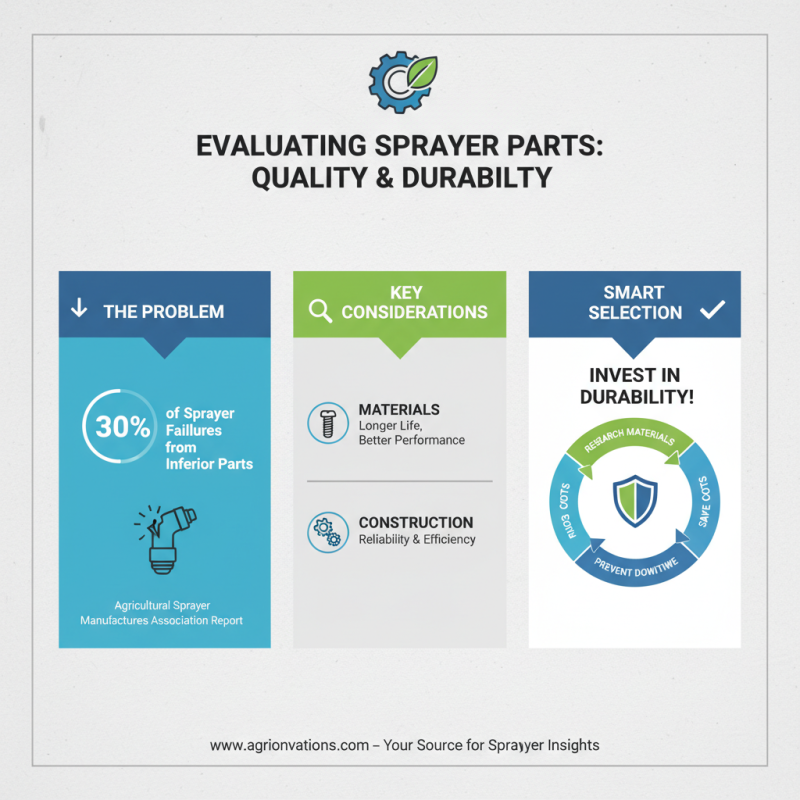
Next, consider the material quality. High-grade materials enhance durability and weather resistance. Analyze reports from agricultural machinery associations that show sprayers with premium parts can deliver a 20% increase in lifespan. Choose components that withstand exposure to various chemicals and climates.
Tips: Always check the specifications in the user manual. This resource often clarifies what parts work best for your specific needs. Keep an eye on maintenance schedules; neglected parts may lead to performance issues over time. Rather than choosing parts based solely on price, think of the long-term value they provide. Reflect on your past experiences, as they can guide better decisions now.
Assessing Compatibility with Your Equipment and Application
When selecting sprayer parts, compatibility is key. Ensure that the parts match your equipment specifications. Consider the type of sprayer you have. Different sprayers require distinct components. Check your equipment's manual for part numbers. This will guide you in finding suitable replacements or upgrades.
Tips: Always verify the size and fit of sprayer parts before purchasing. A mismatch can lead to inefficient operation or costly repairs. Additionally, consult with experts or forums related to your specific application. Real-world experiences can provide insights that manuals often overlook.
Understanding application requirements is equally important. The environment affects part selection. For instance, high-pressure applications may need sturdier materials. Evaluate how you use your sprayer. Are you using it for pesticides or fertilizers? Each application has unique demands that impact part choice.
Tips: Create a checklist of essential features needed for your sprayer parts. This will help you focus on the most critical elements. Don’t be afraid to seek advice from professionals in the field. They can share valuable insights from their hands-on experiences.
2026 Sprayer Parts Compatibility Analysis
Budget Considerations for Purchasing Sprayer Parts
When considering budget for purchasing sprayer parts, it's essential to identify your specific needs. According to industry reports, a significant percentage of users often overlook the total cost of ownership. This includes maintenance, compatibility, and efficiency. A well-researched purchase can save costs in the long run.
Evaluate the purpose of your sprayer. Agricultural applications may require different components than industrial use. Reports indicate that low-cost parts sometimes lead to inefficiencies. For instance, subpar materials may degrade faster, leading to frequent replacements. A poorly chosen nozzle can affect distribution, directly impacting your output.
Consider both initial investment and long-term expenditures. Spending less upfront might seem advantageous, but quality parts may offer better performance. Some studies suggest that investing 15% more in durable components can yield up to 30% savings over time. Knowledge of these factors guides you toward making a reliable choice while adhering to your budget constraints. Reflect on the balance between cost and performance as you consider your purchases.