How to Effectively Control Components in Your Project?
In project management, controlling components is critical. John Smith, a leading expert in Control Components, once said, "Effective control leads to successful outcomes." His insight emphasizes the importance of managing every aspect of a project meticulously.
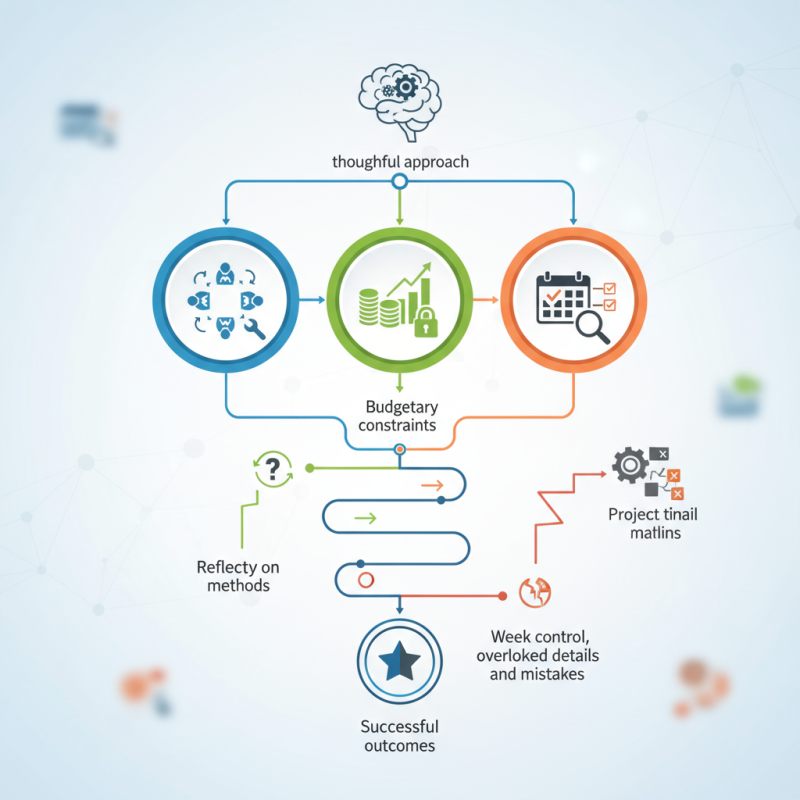
Every project includes various components, each requiring attention. These components can range from team dynamics to budgetary constraints. When control is weak, outcomes suffer. Mistakes may arise from overlooked details. It is easy to underestimate the impact of small issues.
Moreover, reflecting on the methods we employ is essential. What works for one project may not work for another. Flexibility in control strategies can often reveal shortcomings. Therefore, a thoughtful approach to controlling components will lead to better results and more efficient projects.
Understanding Components in Project Management and Their Roles
Understanding components in project management is crucial. Each component plays a unique role that affects the project's outcome. From planning to execution, these elements must be managed effectively. Stakeholders, resources, timelines, and risks are all components that demand attention.
Tips: Identify and define each component clearly. This helps clarify roles within the team. Unclear roles lead to confusion and mistakes. Regular check-ins can ensure everyone is aligned. Each team member's contributions matter. If someone is disengaged, the project may falter.
Communication is another key component. It fuels collaboration and minimizes misunderstandings. Ensure that information flows smoothly. Sometimes, assumptions can create gaps. These gaps can derail progress quickly. Address any issues promptly to keep the project on track. Remember, perfection is unrealistic. Flaws are a part of the process. Reflect on them to improve in the future.
How to Effectively Control Components in Your Project?
| Component Name | Role in Project | Importance (1-5) | Control Measures | Status |
| Project Scope | Defines project boundaries | 5 | Regular reviews and updates | In Progress |
| Timeline | Establishes deadlines | 4 | Gantt charts and milestones | On Track |
| Budget | Monitors financial resources | 5 | Cost tracking and reporting | At Risk |
| Stakeholders | Influence project success | 5 | Engagement sessions | Engaged |
| Team Roles | Defines responsibilities | 4 | Role clarity and accountability | Defined |
| Risk Management | Identifies potential issues | 5 | Risk assessments | Under Review |
Identifying Essential Components for Successful Project Control
Identifying essential components for successful project control is crucial. Start by defining your project goals. Clear objectives help isolate what truly matters. Break down large goals into smaller, manageable tasks. Each task should have clear milestones. This creates a roadmap for tracking progress.
Next, consider the resources necessary for each component. This includes team members, tools, and time. Limited resources often lead to project delays. Regularly review if your resources are aligned with your project needs. Adjust as necessary. Sometimes, what seemed essential early on may no longer be relevant.
Engage your team in this process. Their experience can highlight overlooked components. They might spot risks that aren't immediately obvious. Foster a culture where feedback is encouraged. Reflect on mistakes made in previous projects. Each error can provide valuable lessons if acknowledged. Project control is ongoing, requiring constant assessment and adjustment.
Techniques for Monitoring and Managing Project Components Effectively
Effective management of project components is crucial for success. Monitoring techniques can enhance project control and ensure that all elements function harmoniously. Research shows that around 70% of projects fail due to inadequate management of resources and time. This indicates a glaring need for better monitoring practices.
One effective method is the use of key performance indicators (KPIs). Setting clear KPIs for each component can help track progress. Regular updates on these KPIs can unveil potential issues early on. In fact, a study found that projects with defined KPIs are 30% more likely to complete on time. Furthermore, employing tools such as Gantt charts can visualize timelines and dependencies, allowing for immediate adjustment when delays occur.
However, it’s essential to recognize that not all monitoring methods may fit every project. Rigid frameworks can hinder creativity and flexibility. Sometimes, collaboration and open communication among team members can provide insights that structured data might miss. The challenge lies in finding the right balance between control and adaptability. Being aware of these nuances can foster a more resilient management approach and ultimately lead to project success.
Utilizing Data Analytics to Enhance Component Control in Projects
In today's complex project environments, effective component control is vital. Data analytics plays a crucial role in this process. According to a report by McKinsey, companies leveraging data analytics can improve their decision-making efficiency by 5-6%. This is essential for tracking project components and optimizing performance.
When utilizing data analytics, ensure your data is accurate and relevant. A recent study indicated that 60% of project failures stem from poor data management. Focus on integrating data analytics tools that suit your project’s specific needs. Data visualization can also help identify trends and issues quickly. Engaging your team in analyzing data can lead to valuable insights.
Tip: Prioritize regular data reviews. This keeps your analytics sharp and relevant. Utilize dashboards for real-time tracking. They can highlight component performance at a glance. Remember, not all data is useful. Discard irrelevant information to maintain clarity.
Incorporating data analytics is not without challenges. Many teams struggle with training and adapting to new technologies. Reflect on your team’s readiness to embrace change before implementation. This helps in reducing resistance and increasing efficiency.
Component Control Efficiency in Projects over Six Months
This bar chart illustrates the component control efficiency over a six-month period, highlighting a steady increase in efficiency, peaking in May. This trend indicates that data analytics can significantly enhance the management and control of components in projects.
Best Practices for Component Integration and Risk Mitigation in Projects
Effective component integration is crucial in project management. Properly controlling components can significantly reduce risks. Start by assessing the dependencies between various parts. A small oversight can lead to major setbacks. Communicate frequently with your team. Ensure everyone understands their roles and responsibilities clearly.
Tips: Set regular check-ins. This fosters transparency and accountability. Create a shared document for updates. It keeps everyone on the same page and can prevent frustration later.
Risk mitigation involves proactive planning. Identify potential bottlenecks early. Build contingencies into your timeline. It's essential to learn from past projects. What went wrong? Understanding these factors can help avoid repeating mistakes.
Tips: Use a risk assessment matrix. This visual tool can highlight critical areas requiring focus. Consider conducting a post-project review with your team. Gather insights on what could be improved next time.