Why is Kitchen Refrigeration Essential for Your Business Success?
In the competitive landscape of the food industry, Kitchen Refrigeration stands out as a crucial element for success. Proper refrigeration not only preserves food quality but also ensures safety. Restaurants and catering services rely heavily on appliances to maintain optimal temperatures. This functionality is vital for preventing spoilage and foodborne illnesses, which can lead to business failures.
However, investing in Kitchen Refrigeration entails challenges. Many business owners underestimate the importance of consistent maintenance and temperature monitoring. Failing to do so can lead to costly repairs and food waste. Moreover, energy efficiency is often overlooked, impacting the bottom line. It's essential to educate staff on refrigeration best practices to maximize equipment utility.
Despite its complexities, Kitchen Refrigeration can be a decisive factor in gaining a competitive edge. A well-managed refrigeration system fosters customer trust, ensuring repeat business. Businesses that prioritize quality refrigeration have better chances of thriving in a tough market. Reflecting on these elements may reveal areas for improvement and innovation in food service operations.
The Importance of Kitchen Refrigeration in Business Operations
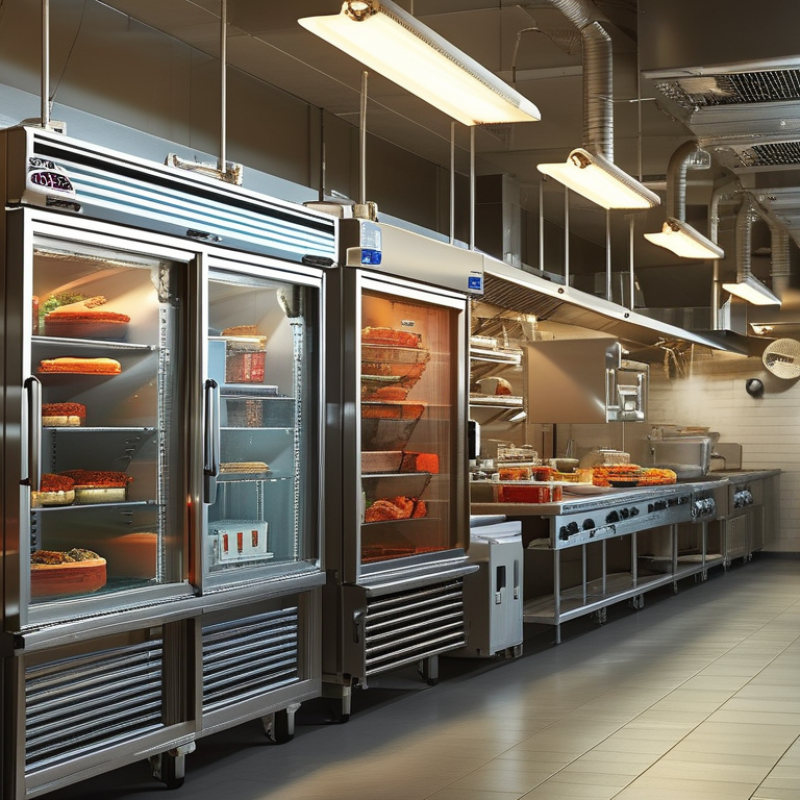
Effective kitchen refrigeration plays a critical role in the success of any food-related business. According to the National Restaurant Association, 73% of customers consider food quality a top priority. Maintaining the right temperature for perishable ingredients ensures freshness and safety. In a commercial kitchen, it's essential to keep food at or below 41°F to inhibit bacterial growth, which could lead to foodborne illnesses.
Additionally, the Food and Drug Administration (FDA) reports that approximately 48 million people get sick from foodborne pathogens each year. This figure highlights the importance of proper food storage. Ineffective refrigeration can lead to spoilage, affecting not only customer health but also the business's reputation. Even a small temperature fluctuation can result in significant financial losses.
Restaurant operators must invest in reliable refrigeration systems to ensure consistency. However, this requires ongoing maintenance, which many overlook. Regular checks and servicing can prevent costly breakdowns that disrupt operations. A study by the Equipment Leasing and Finance Association found that 31% of restaurateurs experience equipment failure, leading to service interruptions. Acknowledge the importance of reliable refrigeration and its impact on your business's bottom line.
Importance of Kitchen Refrigeration in Business Operations
Benefits of Proper Refrigeration for Food Safety and Quality
In the food service industry, proper refrigeration is vital for safety and quality. A malfunctioning fridge can lead to spoilage. This not only affects taste but can also create health risks. Ingredients need consistent, cold temperatures. Fluctuating temperatures can invite bacteria growth. Regular checks are essential, yet many businesses overlook this.
When food is stored correctly, it maintains its quality. Fresh produce, meats, and dairy products thrive in optimal temperatures. Poor refrigeration can result in foods losing their flavor and texture. Customers notice these differences. They may not return if they experience low-quality meals. Regular maintenance of refrigeration systems is often neglected but can save money in the long run.
Effective refrigeration also extends shelf life. Unsold products can turn into losses, impacting revenue. Without proper temperature control, some items may spoil quicker than expected. Over time, this can add up, affecting the bottom line. It's crucial for owners to monitor their systems closely. Addressing issues as they arise is key to long-term success.
Cost Savings Associated with Efficient Refrigeration Systems
In the competitive food service industry, efficient refrigeration systems play a critical role in managing costs. According to a report from the U.S. Department of Energy, restaurants can save up to 30% on energy costs through optimized refrigeration. This significant reduction not only lowers operational expenses but also enhances profit margins. Effective refrigeration ensures that food remains fresh, reducing waste and spoilage, key factors in maintaining a budget.
A study from the National Restaurant Association highlights that nearly 10% of total food costs go to spoiled inventory. By investing in high-efficiency refrigeration, businesses can minimize these losses. A typical kitchen may lose thousands annually due to inadequate storage practices. Monitoring the performance of refrigeration units can yield insights into energy consumption and food quality maintenance. Adjusting settings or implementing preventive maintenance can lead to substantial savings.
Moreover, the initial investment in energy-efficient systems can pay off quickly. Systems with better insulation and modern compressors reduce energy usage, providing long-term benefits. Operational changes, like grouping items wisely, can enhance air circulation and further improve efficiency. Regular internal audits of refrigeration practices can spotlight areas for improvement, driving continuous cost savings. This approach emphasizes the importance of an effective refrigeration strategy for any food service business aiming for success.
How Refrigeration Supports Inventory Management and Waste Reduction
Effective inventory management is crucial for any kitchen operation. Refrigeration plays a key role in achieving this. According to the Food and Drug Administration (FDA), proper refrigeration can reduce foodborne illnesses. Keeping food at safe temperatures extends shelf life. This ensures that ingredients remain fresh and usable.
Businesses can effectively reduce waste by implementing a well-structured refrigeration system. A report from the Food Waste Reduction Alliance states that approximately 40% of food in the U.S. is wasted. Refrigeration helps prevent spoilage. It allows businesses to track inventory more accurately. Staff can monitor what ingredients need to be used, reducing unnecessary purchases.
Moreover, investing in reliable refrigeration can yield high returns. The USDA suggests that nearly one-third of food losses occur at retail and food service levels. By managing inventory efficiently, businesses can cut costs significantly. Streamlined refrigeration methods help maintain quality and freshness while minimizing waste. Failure to implement proper cooling techniques may lead to lost profits and unhappy customers.
Why is Kitchen Refrigeration Essential for Your Business Success? - How Refrigeration Supports Inventory Management and Waste Reduction
| Dimensional Aspect | Data Point | Importance |
| Average Food Temperature | 35-38°F (1.6-3.3°C) | Maintains food freshness and quality |
| Shelf Life Extension | 20-30% longer | Reduces spoilage and enhances inventory turnover |
| Energy Efficiency Rating | A++ | Lowers energy costs and enhances sustainability |
| Waste Reduction Percentage | Up to 25% | Increases profitability and supports sustainability goals |
| Investment in Refrigeration | $2000 - $5000 | Initial costs offset by reduced waste and increased sales |
| Staff Training Time | 2 hours | Ensures proper handling and maximizes efficiency |
Choosing the Right Refrigeration Solutions for Your Business Needs
Choosing the right refrigeration solutions is crucial for any food-related business. According to the Food and Drug Administration, improper refrigeration can lead to foodborne illnesses, affecting customer health and business reputation. A reliable refrigeration system maintains the required temperatures, ensuring food safety and freshness.
Consider energy efficiency when selecting refrigeration units. The U.S. Department of Energy notes that commercial refrigeration accounts for approximately 15% of total energy consumption in food service businesses. Opting for Energy Star-rated equipment can reduce energy costs significantly. However, initial investments may be high, and businesses need to analyze long-term savings versus upfront costs.
Size and layout also matter. A cramped kitchen with inadequate refrigeration can lead to inefficiencies. Reports indicate that poorly designed kitchens can waste up to 30% of time on food prep and service. Ensure that your refrigeration units fit well within your kitchen's workflow. Understand your specific needs—be it volume or temperature requirements—before making a decision. Choosing wisely can lead to improved operations and ultimately better customer satisfaction.