Home Elevator Benefits Features and Costs Explained?
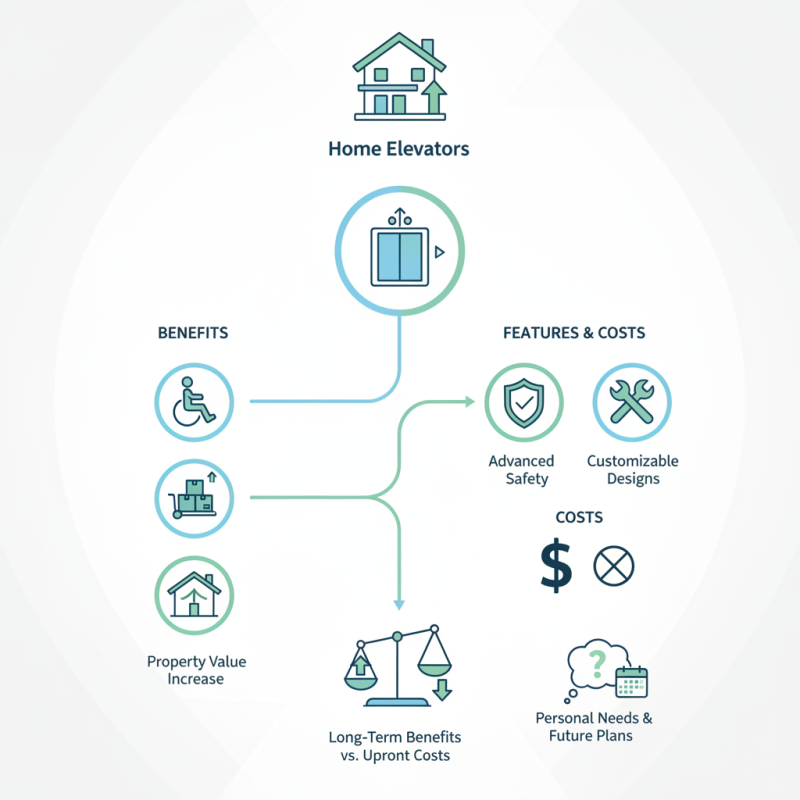
Home Elevators are becoming a popular choice in modern homes. According to a recent industry report, the home elevator market is expected to grow by over 7% annually. This growth reflects a rising interest in convenience and accessibility. Home elevators offer substantial benefits for multi-level properties. They provide easy access for individuals with mobility issues or heavy loads.
The features of home elevators vary widely. Some models come with advanced safety systems and customizable designs. Features such as sleek interiors and quiet operations enhance their appeal. However, the costs can be significant, with basic models starting around $20,000. Installation can add thousands more. Not everyone considers these costs feasible.
Despite potential drawbacks, the advantages of home elevators are hard to overlook. They can increase the value of a property substantially, making them a worthwhile investment. Yet, buyers should carefully weigh the long-term benefits against upfront costs. Reflecting on personal needs and future plans can aid in the decision-making process.
Understanding Home Elevators: An Overview of Benefits
Home elevators provide numerous advantages for homeowners. They enhance accessibility, making homes easier to navigate for everyone, especially the elderly or those with mobility challenges. This improvement is significant in multi-story residences, ensuring safety and comfort. A home elevator can eliminate the need for climbing stairs, which can be daunting and risky.
Beyond accessibility, home elevators can raise property values. They add a touch of modern luxury and convenience. Imagine hosting guests who find it effortless to move between floors. Still, there are considerations. Installation costs can be steep. Homeowners must weigh the benefits against their budgets.
Design choices are also crucial. A well-designed elevator can blend seamlessly into home decor. But it can clash if not thoughtfully planned. Maintenance may require ongoing attention, which can be overlooked. It's vital to reflect on these elements carefully before deciding to install a home elevator.
Understanding Home Elevators: Benefits and Costs
This chart illustrates various aspects related to home elevators, including their installation costs, annual maintenance expenses, space efficiency, and their impact on home value. Understanding these parameters can help homeowners make informed decisions regarding the addition of a home elevator.
Key Features of Modern Home Elevators
Modern home elevators offer a blend of convenience and luxury. They come equipped with various features that cater to different needs. A report from the National Association of Home Builders indicates that around 20% of new homes are now being built with elevators. This shift shows how these installations are becoming essential, not just a luxury.
One standout feature is the compact design. Many modern elevators require minimal space. They can fit into tight corners or alongside staircases. This attribute allows homeowners to maximize their living areas. Some models even use a pneumatic system, needing no cables or pulleys, making them quieter and energy-efficient. Moreover, safety is a priority. Most elevators include emergency backup systems and safety sensors to prevent accidents.
In terms of costs, installation can be considerable, often ranging from $25,000 to $60,000. Ongoing maintenance costs can also add up. It's crucial to weigh these costs against the benefits. Accessibility for the elderly or disabled can significantly enhance home value and livability. However, families should assess whether the investment aligns with their long-term needs and budget.
Comparing Home Elevator Types: Which One is Right for You?
When considering a home elevator, it's vital to evaluate your needs. Different types suit varied situations. Hydraulic elevators, for example, offer reliability and are usually quieter. These elevators need more space for the machine room. On the other hand, pneumatic elevators, which use air pressure, require less space and often have a modern look. However, they may have weight limits that are lower than their hydraulic counterparts.
Data from the National Association of Home Builders shows that nearly 25% of new homes now feature some form of accessibility option. This shift highlights the changing demands of homeowners. A residential elevator can enhance mobility for aging family members or those with disabilities. Moreover, they can significantly increase home values. According to industry estimates, elevators may add between 10% and 20% to a home's market price.
However, costs vary widely. Installing a home elevator averages between $20,000 and $60,000, depending on the type and custom features. Maintenance costs can add up too. Many homeowners overlook this vital aspect. Understanding your long-term needs and finances is crucial before making a decision.
Cost Analysis: Home Elevator Installation and Maintenance Expenses
When considering home elevator installations, costs play a vital role. According to a recent industry report, the average installation cost for a residential elevator ranges from $20,000 to $40,000. Factors influencing this price include the type of elevator and home structure. A shaftless model may cost less, but may also limit capacity and functionality.
Maintenance expenses should not be overlooked. On average, homeowners can expect to spend between $500 and $1,500 annually on upkeep. Regular servicing is essential to ensure safety and reliability. Neglecting maintenance can lead to costly repairs later. It's important to create a budget that considers both initial installation and ongoing costs.
The decision to install a home elevator often hinges on usability and long-term value. Many reports suggest that adding an elevator increases a home's market value by about 10%. However, not every home may benefit. Assessing your home's layout and future needs is crucial. A well-planned investment can provide convenience and accessibility. Yet, consider the balance between cost and actual necessity. Understanding these financial factors can help in making an informed decision.
Financing Options and Grants for Home Elevators
Financing a home elevator can seem overwhelming. However, various options may ease your financial burden. Many homeowners look into personal loans or home equity lines. These methods allow you to pay over time. Some government grants might be available to assist with installation costs. Research local programs aimed at enhancing home accessibility.
When considering options, it’s important to evaluate your financial situation. Not every financial path suits all buyers. Sometimes, unexpected costs arise. This could lead to stress when budgeting. A thorough understanding of your options is crucial.
**Tip:** Look into state and local resources. They sometimes provide financial aid for home renovations.
Another financing option could include specialized loans. Some lenders focus specifically on home improvement projects. These could have more flexible terms. However, they might not be the easiest to navigate. Be proactive in asking questions.
**Tip:** Always read the fine print before signing any financing agreement. Make sure you understand the total costs involved.