How to Choose the Right Pressure Hose for Your Needs?
Choosing the right pressure hose is not a simple matter of matching a size to a machine. The hose must handle working pressure, temperature, fluid compatibility, movement, and installation conditions. A line carrying hydraulic oil may behave differently from one carrying compressed air. A hose exposed to sunlight, welding sparks, or sharp steel edges also needs stronger protection. Small details can decide whether the system performs reliably or fails early.
Hydraulic hose engineer John M. Fink explains, “A hose is safe only when its pressure, temperature, and movement limits are understood.” This practical principle deserves attention. The highest pressure printed in a catalog is not always the correct operating target. Engineers should check working pressure, burst pressure, impulse ratings, and the effects of pressure spikes. The hose length matters, too. A line stretched tightly across a pump may crack near the fittings, while excessive slack can create rubbing and heat.
Start with the application, not the cheapest product. Measure the connection size carefully. Identify the fluid. Record the normal and peak temperatures. Then examine bending radius, vibration, abrasion, and routing space. A visual inspection after installation can reveal twisting, flattened sections, or leaking couplings. It is easy to overlook these signs.
There is no perfect hose for every situation. Even experienced technicians can choose poorly when operating conditions change. This guide will help you compare pressure hose materials, ratings, fittings, and safety factors. It will also encourage a necessary pause: is the selected hose truly suitable, or does it merely appear suitable on paper?
Define the Pressure Hose’s Working Conditions
Before choosing a pressure hose, define its working conditions in measurable terms. Record the normal and peak pressure, fluid type, temperature range, flow rate, and operating cycle. A hose handling water may fail quickly with oil, steam, or abrasive slurry. SAE J517 identifies pressure-hose construction requirements, while ISO 18752 classifies hoses by pressure, impulse resistance, and application severity. These standards provide a safer starting point than relying on appearance.
Movement matters too. Measure the minimum bend radius, repeated flexing, vibration, and twisting near the fittings. Leave enough length for motion, but avoid loose loops that can snag equipment. In compressed-air systems, the U.S. Department of Energy reports that leaks may waste 20–30% of compressor output. A damaged hose can therefore increase both safety risks and operating costs. I have found that many selection errors begin with one missing detail: the actual peak pressure during startup. The average reading is not enough.
Tips: Write a short working-condition sheet before ordering. Include pressure, temperature, medium, bend radius, fitting type, and installation space. Check compatibility tables, then inspect the hose after installation. Do not assume a higher pressure rating solves every problem; heat, chemicals, and sharp bending can still shorten service life. Recheck the decision when equipment settings change. A correct choice today may become unsuitable later.
Match Hose Materials to the Intended Fluid
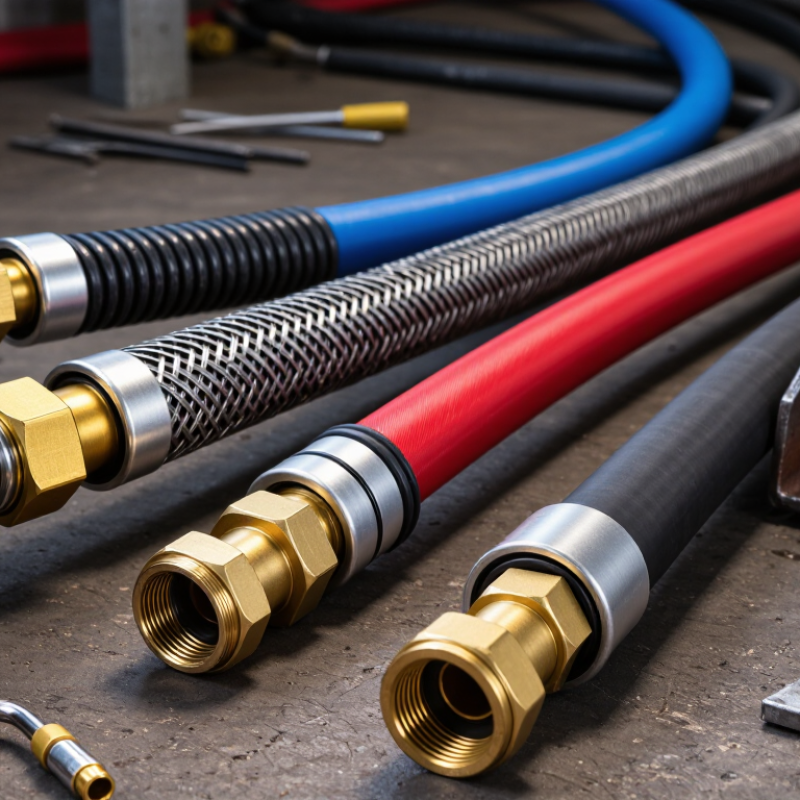
Choosing a pressure hose starts with the fluid, not the pressure rating. A hose that handles oil may soften quickly when exposed to solvents, acids, or aggressive cleaning chemicals. The inner tube must resist swelling, cracking, and permeation. Common choices include nitrile for petroleum-based oils, EPDM for water and many mild chemicals, and PTFE for demanding chemical service. These are useful guidelines, not universal answers.
ISO 18752
classifies hydraulic hoses by pressure, temperature, and application performance. Its temperature categories reach 100°C, 125°C, and 150°C for specific hose constructions. Chemical compatibility charts from the Fluid Sealing Association also warn that concentration, temperature, and exposure time can change material performance. A fluid listed as “compatible” may still cause failure under heat or continuous pressure. I have seen teams select a tube correctly, then overlook the cover. Outdoor ozone, abrasion, and ultraviolet exposure can destroy the hose first.
Tips:
Confirm the fluid name, concentration, temperature, pressure, and cleaning method. Check the manufacturer’s compatibility data, then verify it against ISO or SAE requirements. Inspect the bore after a short trial period. Small swelling matters. When data is incomplete, choose a safer material or request laboratory testing. This step may feel slow, but replacing a failed hose during production costs more. Assume the chart has limits. Test the real fluid when conditions are unusual.
Check Pressure, Temperature, and Size Requirements
When choosing a pressure hose, start with the pressure it must safely carry. Check the equipment’s normal working pressure, not only its peak reading. The hose’s working-pressure rating should exceed that value with a practical safety margin. Burst pressure is not a usable target. It describes failure, not safe operation. I once saw a hose selected by burst pressure alone. That choice looked economical, but it ignored repeated pressure pulses.
Temperature matters just as much. Confirm the lowest and highest temperatures during storage, operation, and cleaning. Heat can soften some hose materials, while cold can make them stiff and brittle. Consider the fluid too, because oil, water, chemicals, and compressed air may require different inner materials. Always compare these conditions with the hose’s technical data sheet. Small details matter here.
Size affects flow, pressure loss, and handling. Measure the required inner diameter carefully, then check the fitting size and connection type. A hose that is too narrow may restrict flow and create extra heat. One that is too large can be heavy and difficult to control. Measure the route, including bends and movement. Do not force a tight curve. I have made that mistake before. The hose worked, but its outer cover wore quickly. Leave enough length for movement without creating loose loops. Recheck every measurement before installation.
Verify Safety Standards and Plan Regular Maintenance
How to Choose the Right Pressure Hose for Your Needs?
A pressure hose must match the system’s working pressure, temperature, fluid, and movement. Check the manufacturer’s technical documentation before installation. The hose’s working pressure should exceed the system’s maximum pressure, including temporary surges. Do not rely only on outside appearance. A clean hose can still have internal damage. Verify recognized safety standards, such as ISO or SAE requirements, when relevant to your application. Also confirm that the fittings, couplings, and hose assembly share compatible ratings.
Regular maintenance reduces unexpected failures. Inspect the hose for cuts, blisters, flattened areas, exposed reinforcement, and leaking connections. Pay close attention near clamps and bends. These points often experience extra stress. Keep the hose away from sharp edges, hot surfaces, and chemical spills. Replace it if the cover feels brittle or shows deep abrasion. Never repair serious damage with tape. That shortcut may hide a developing failure. Keep inspection records with installation dates, operating conditions, and replacement decisions. A schedule based only on calendar time may be incomplete; usage intensity matters too.
Tips: Check the hose before every shift. Confirm pressure ratings during procurement. Use protective sleeves in abrasive areas. Tighten fittings correctly, but avoid over-tightening. Release system pressure before inspection. Train workers to report small leaks immediately. A minor leak rarely stays minor. Reconsider the maintenance interval after unusual pressure spikes, temperature changes, or repeated bending.