What are Micro Switches and How Do They Work?
micro switches play a crucial role in various electronic devices, providing reliable control mechanisms. According to a recent industry report, the global micro switch market is projected to grow significantly, reaching an estimated value of over $2 billion by 2026. These switches, known for their quick response times and compact size, are widely used in appliances, automotive applications, and industrial machinery.
Understanding how micro switches work is essential for engineers and designers alike. Their internal mechanism typically involves a lever or button that activates a small internal contact. This design not only enables efficient circuit control but also enhances user experience in consumer products. However, despite their importance, the reliability of micro switches can be affected by factors such as environmental conditions and wear over time.
Critical reflection is needed on how advancements in technology might simplify micro switch designs. Simplified designs may overlook the necessity of robustness in harsh environments. Striking a balance between innovation and durability will be vital for future developments.
What is a Micro Switch?
Micro switches are essential components in many electronic devices and machinery. Often referred to as snap-action switches, these devices are known for their quick and precise operations. The typical micro switch features a small actuator that, when pressed, causes the internal mechanism to snap, either opening or closing the circuit. This mechanism allows them to handle low voltages effectively while ensuring reliability.
According to industry reports, the global micro switch market is projected to reach 1.5 billion USD by 2025. This growth indicates their importance in sectors such as automotive, consumer electronics, and industrial automation. The compact size and durability of micro switches make them popular. However, not all micro switches are created equal. Variations in quality can lead to issues like premature failure. This can be frustrating for manufacturers relying on these components for their devices.
Micro switches operate on a simple principle, yet their application is complex. They can endure millions of cycles, but the environment matters. Factors such as humidity, temperature, and mechanical stress can affect performance. Often, their life expectancy is significantly shorter in harsh conditions. This highlights the importance of selecting the right micro switch for specific applications. Understanding these nuances can lead to better design choices.
The Structure and Components of Micro Switches
Micro switches are essential components in many devices. Their small size and precise operation make them popular in various applications. Understanding their structure can help in grasping how they work.
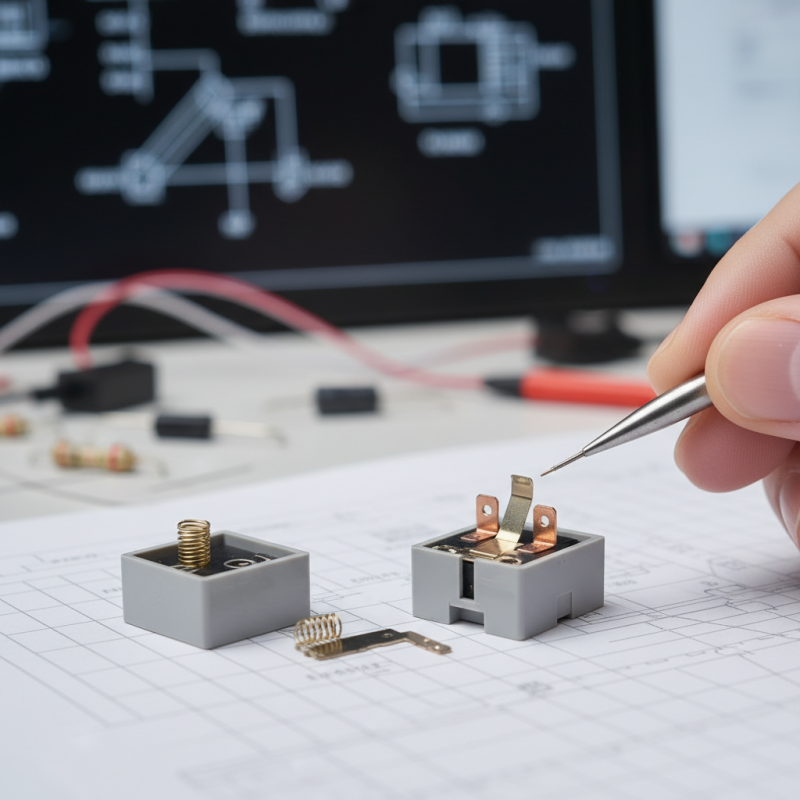
A micro switch typically consists of a hinge, spring, and actuator. The hinge allows movement when the actuator is pressed. This movement compresses the spring, creating a mechanism that establishes or breaks an electrical connection. The micro switch activates with minimal pressure, making it efficient for quick responses.
Tip: When working with micro switches, ensure they are not exposed to excessive force. This can lead to malfunction or damage.
Additionally, micro switches come in various types, each suited for specific tasks. Some have a longer lifespan and can withstand harsh environments. Choosing the right type for your project is crucial.
Tip: Regular maintenance is important. Dust or debris can impair performance. Clean the switches gently to avoid issues.
In practice, while micro switches are reliable, they can also present challenges. Poor installation can lead to inconsistent performance. Always calibrate and test them in the context of your application. This ensures they meet your requirements and function correctly.
How Micro Switches Operate Mechanically
Micro switches are small devices that detect the presence of an object through mechanical movement. They operate based on a simple principle: a lever or button activates an internal switch. When pressure is applied, the circuit closes, allowing electricity to flow. This mechanism is crucial in many applications, from appliances to safety equipment.
How do micro switches operate mechanically? Typically, they consist of a housing that encloses the contact mechanism. A small spring-loaded actuator responds to pressure. When the actuator is pressed, it moves the internal contacts together. This creates a connection that activates the desired function. The speed of this action allows for quick responses, making micro switches highly effective in various settings.
Tips: Regular maintenance of micro switches is essential. Dust and dirt can impact their performance. Keep them clean and check for wear and tear. Also, be mindful of the force applied. Too much pressure can damage the actuator, leading to failure.
Understanding how micro switches work can enhance your projects. They are simple yet powerful. Mistakes often stem from overlooking their specifications. Reflect on the impact of design choices. Every detail matters in achieving reliability.
Micro Switches Usage in Various Applications
Common Applications of Micro Switches
Micro switches are tiny but powerful devices used in various applications. They are often found in household appliances, automotive systems, and industrial equipment. Their quick action and reliability make them ideal for tasks requiring precise control. For example, they can activate a light when a door opens or a fan when a machine reaches a certain temperature.
In the automotive sector, micro switches play a vital role. They are used in seatbelts and door sensors, ensuring Safety and convenience. In industrial settings, they help control machinery. They might trigger alarms or shut down equipment when safety thresholds are breached. This little component has a huge impact in our daily lives.
However, using micro switches isn't always straightforward. Sometimes they may fail or become misaligned, leading to unexpected behavior. These failures can cause inconvenience or even safety hazards. It’s crucial to test and maintain them regularly. While they are reliable, they still require thoughtful implementation to avoid issues.
Advantages and Limitations of Micro Switches
Micro switches are widely used in various applications due to their reliability and accuracy. One advantage is their precise actuation. They require minimal force to operate, making them ideal for controlling electronic devices. This low actuation force can lead to a faster response time, which is crucial in many applications, from appliances to industrial equipment. However, this sensitivity can sometimes result in unintended activations. Careful placement is necessary to avoid issues.
Another benefit of micro switches is their compact size. They can fit into tight spaces where traditional switches might not work. This makes them highly versatile. Yet, their small size can be a double-edged sword. In some cases, they are more prone to wear and tear. Frequent use may lead to quicker degradation compared to larger switches.
One limitation is the electrical rating they can handle. Micro switches are not always suitable for high-power applications. Users may need alternative solutions for heavy-duty operations. Additionally, while they offer reliable performance, environmental factors can pose challenges. Dust, moisture, and temperature changes can affect their functionality. Careful consideration of these factors is essential for optimal use.
What are Micro Switches and How Do They Work? - Advantages and Limitations of Micro Switches
| Dimension | Description |
| Type | Mechanically operated switch that activates when a lever or button is pressed. |
| Operation | Uses a simple mechanism, often involving a spring, to create a quick and reliable switching action. |
| Advantages | High reliability, low actuation force, long life cycle, and compact size. |
| Limitations | Limited current capacity, sensitivity to mechanical wear, and can be affected by environmental factors. |
| Typical Applications | Found in appliances, automotive systems, and various control panels. |
| Operating Force | Range of 0.1 N to 2 N, allowing for user-friendly operation. |