What is a Miniature Circuit Breaker and How Does It Work?
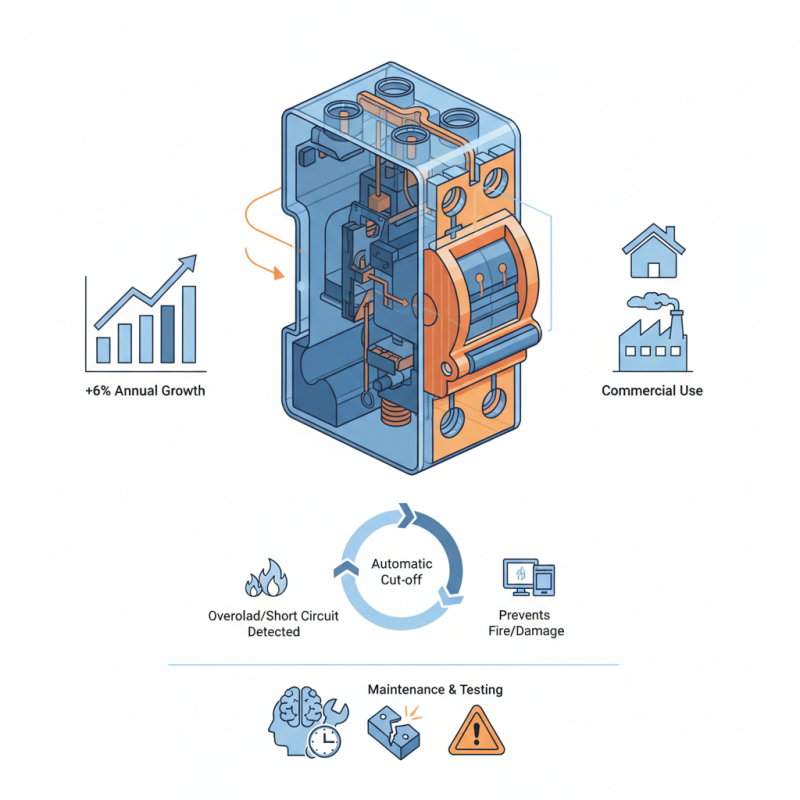
Miniature Circuit Breakers (MCBs) play a vital role in electrical safety. According to a recent report by the Global Electrical Equipment Market, the demand for MCBs is expected to grow by over 6% annually until 2025. These essential devices automatically cut off electrical circuits during overloads or short circuits. This helps prevent fires and damages to electrical appliances.
Dr. Emily Roberts, an industry expert and electrical engineer, emphasizes their importance: "MCBs are crucial in ensuring both safety and efficiency in modern electrical systems." Their compact design and functionality make them ideal for residential and commercial applications. Despite their benefits, some users still overlook their maintenance.
People may not realize the importance of regular testing and replacement of MCBs. An out-of-date MCB can fail when most needed, leading to potential hazards. Awareness of this issue is crucial for safe electrical practices. Understanding how MCBs work can lead to better safety measures and informed decisions in energy management.
What is a Miniature Circuit Breaker?
A Miniature Circuit Breaker (MCB) is a crucial component in electrical systems. Its main purpose is to protect circuits from overloads and short circuits. When the current exceeds a safe level, the MCB automatically shuts off the electrical flow. This helps prevent damage to wires and appliances.
MCBs come in different ratings. Choosing the right MCB is essential for safety. Various types respond differently to faults. For instance, some may trip quickly while others may take longer. It's important to consider your specific needs when selecting an MCB.
Tips:
1. Regularly check MCB settings. Faulty settings can lead to failures.
2. Assess your electrical load. An overloaded circuit can trip the MCB often.
Understanding the operation of an MCB can be complex. Many users overlook the importance of proper installation. An MCB is not a one-size-fits-all solution. It's vital to consult a professional for best results. Over time, MCBs may degrade and require replacement. Watching for signs of wear can save you from future inconveniences.
Components of a Miniature Circuit Breaker
Miniature Circuit Breakers (MCBs) are essential in electrical systems. Understanding their components can help users appreciate their functionality and importance. An MCB typically consists of several key parts, including the operating mechanism, contacts, bimetallic strip, and electromagnet. Each component plays a specific role in ensuring safety and efficiency.
The operating mechanism is crucial for the onset of the tripping action. When a fault occurs, the bimetallic strip heats up and bends. It then triggers the contacts to open, disconnecting the electrical circuit. This process must happen quickly to prevent potential damages. According to industry reports, an effective MCB can reduce fire hazards caused by electrical faults by up to 40%.
The electromagnet aids in the MCB's operation by offering instantaneous reaction to short circuits. This swift response can minimize damage to wiring and connected devices. Research indicates that 70% of electrical incidents can be mitigated with the proper use of MCBs. Despite their reliability, users often overlook regular maintenance. Regular checks can prevent unexpected failures when they are needed the most. Awareness of these components helps users make informed decisions about electrical safety.
Miniature Circuit Breaker Current Ratings
This bar chart represents the number of miniature circuit breakers sold for various current ratings (6A, 10A, 16A, 20A, 25A, 32A, and 40A). It visually illustrates the popularity of each rating among consumers, indicating that lower ratings tend to have higher sales.
How Does a Miniature Circuit Breaker Function?
A Miniature Circuit Breaker (MCB) is an essential safety device in electrical installations. It protects circuits from overloads and short circuits. When the current exceeds a preset limit, the MCB automatically disconnects the circuit. This action prevents damage to equipment and reduces the risk of fire.
The functioning of an MCB involves two key mechanisms: thermal and magnetic. The thermal mechanism operates through a bimetallic strip. When the current is too high, the strip heats up and bends. Eventually, it triggers the switch to open. The magnetic mechanism works with electromagnetic force. In cases of severe overload, the magnetic field generated pulls a lever, causing the circuit to break instantly.
Many people overlook the importance of testing their MCBs regularly. A malfunctioning MCB can lead to dangerous situations. Often, users forget that dust accumulation can hinder performance. Moreover, not all MCBs trip at the same threshold, leading to potential risks. Regular checks and maintenance are crucial to ensure they function effectively. Taking time to understand this device can make a significant difference in safety.
Benefits of Using Miniature Circuit Breakers
Miniature Circuit Breakers (MCBs) are essential in modern electrical systems. They automatically interrupt the circuit when overloads or short circuits occur. This crucial feature protects both equipment and personnel. MCBs are favored for their reliability and quick response times, often outperforming traditional fuses.
Using MCBs offers several benefits that enhance safety and efficiency. They are designed to reset easily after a fault, allowing for quick recovery of power. Their compact size saves space in electrical panels, making installations neater. Additionally, MCBs provide precise overload protection, reducing the risk of damage to sensitive electronics.
However, there are still areas for improvement. Some users might find it challenging to choose the right type of MCB for specific applications. Misunderstanding the ratings can lead to insufficient protection or nuisance tripping. It's vital to assess each situation carefully and ensure proper selection for effective performance. With the right approach, MCBs can significantly enhance electrical safety.
Common Applications of Miniature Circuit Breakers
Miniature Circuit Breakers (MCBs) are essential for circuit protection. They prevent overloads and short circuits. Common applications include residential, commercial, and industrial settings. In homes, they protect wiring from overheating. In offices, they safeguard sensitive equipment. In factories, MCBs ensure machinery operates safely.
One of the most valuable uses is in power distribution panels. Here, MCBs manage circuits effectively. They allow for easy reset after a trip, unlike fuses, which need replacement. This feature saves time and reduces downtime.
Tip: Regularly check MCBs for functionality. A simple test can help ensure they trip as expected.
In the industrial realm, MCBs are crucial in safeguarding equipment. They help avoid costly damages. However, improper sizing or selection can lead to failures. Always consult guidelines when choosing MCBs.
Tip: Assess the load requirements carefully. This ensures that your MCB is not over or under-rated.