Why Are Orthopedic Implants Essential for Joint Recovery?
orthopedic implants play a pivotal role in the recovery of joint function. According to Dr. Sarah Thompson, a leading orthopedic surgeon, "The right implant can significantly enhance a patient's quality of life." These medical devices are designed to support damaged joints, allowing for smoother movement and less pain.
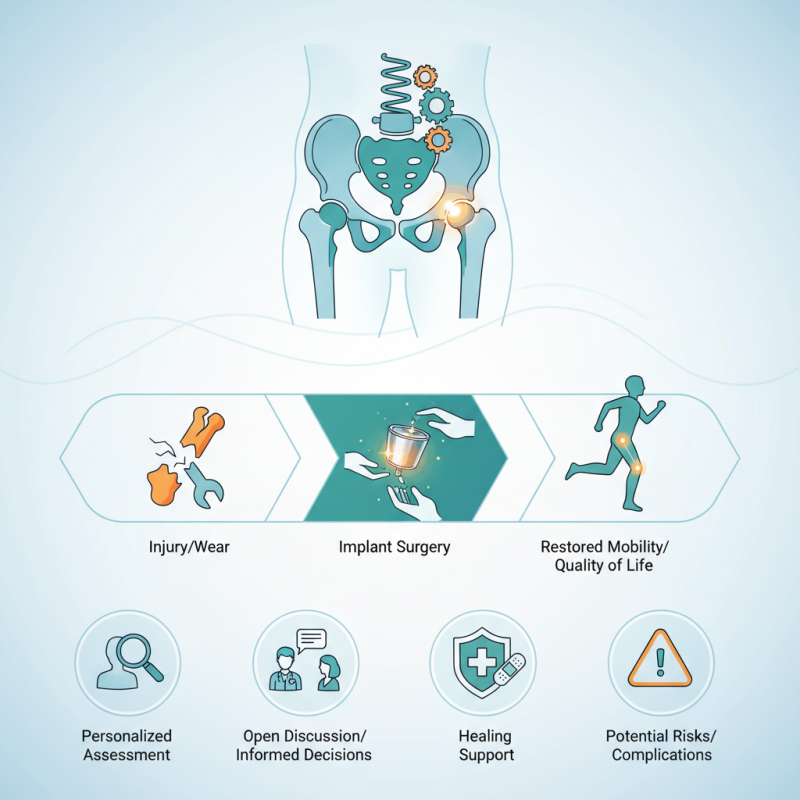
When a joint is injured or worn out, orthopedic implants provide stability. They help in the healing process by mimicking the function of natural joints. However, the choice of implant is crucial. Not all implants are suitable for every patient. Dr. Thompson often emphasizes the need for personalized assessments before surgery.
Despite advancements, challenges remain. Some patients face complications or prolonged recovery periods. Instances of implant rejection, though rare, can occur. It’s vital for patients to understand these risks. Open discussions with their healthcare providers can lead to better outcomes and informed decisions. The journey toward recovery with orthopedic implants is not without its bumps, but the potential for restored mobility is a powerful motivation.
The Role of Orthopedic Implants in Joint Recovery
Orthopedic implants play a vital role in joint recovery. They provide the necessary support and stability for healing. According to a report from the American Academy of Orthopaedic Surgeons, more than 7 million orthopedic surgeries are performed each year in the U.S. Many of these procedures involve joint replacements and fixation devices. These implants facilitate faster recovery by restoring the function of damaged joints.
However, complications can arise from the use of implants. Infections, for instance, occur in about 1-2% of hip and knee replacement surgeries. This can prolong recovery and affect overall outcomes. Patients may face additional surgeries to remove or replace implants, highlighting the importance of careful planning and monitoring.
The effectiveness of implants also relies on the surgeon's skill. A study by the Journal of Bone and Joint Surgery found that outcomes vary significantly among different surgeons. Those with more experience tend to achieve better results. This calls for a need for patients to choose their healthcare providers wisely. The impact of orthopedic implants on recovery is significant, yet it is not without challenges.
Types of Orthopedic Implants Used in Joint Surgery
Orthopedic implants play a crucial role in joint surgeries. Various types are designed to cater to specific needs during recovery. For instance, metal plates and screws are widely used to stabilize fractures. These implants help maintain alignment while the bone heals. They can be removed later, but some may remain permanently.
Another common type is the joint prosthesis. Used in procedures like hip and knee replacements, these implants can restore function to damaged joints. They are usually made from durable materials like titanium or polyethylene. Surgeons select them based on individual patient conditions.
Despite their benefits, challenges exist. Some patients experience complications, such as infections or implant rejection. Each case is unique and requires careful consideration. The healing process can be unpredictable. Regular check-ups are essential to monitor the condition of the implants and overall joint recovery.
Benefits of Orthopedic Implants for Patients
Orthopedic implants play a vital role in joint recovery for many patients. These devices, such as screws and plates, provide the necessary support for healing after surgery. According to a report by the Orthopedic Research Society, over 1 million joint replacement surgeries are performed annually in the U.S. alone, highlighting their importance. Implants help restore function and quality of life for individuals suffering from joint issues.
Patients benefit from shorter recovery times with orthopedic implants. Statistics show that 90% of patients experience significant pain relief and improved mobility post-surgery. However, complications can occur, including infection or implant failure. Regular follow-ups are crucial to monitor the healing process and address any concerns early.
**Tip:** Maintain an active lifestyle post-surgery. Simple exercises can enhance recovery and prevent stiffness.
Not all patients respond the same way to implants. Some may face prolonged healing periods. Discussing realistic expectations with your orthopedic surgeon is essential. Clear communication can help mitigate disappointment and guide recovery more effectively.
**Tip:** Always listen to your body. If something feels off during recovery, reach out for help.
In summary, orthopedic implants significantly aid recovery but require diligence and patience from patients. The journey is unique for each person, emphasizing the need for personalized care and ongoing monitoring.
Benefits of Orthopedic Implants for Joint Recovery
Challenges and Considerations in Implant Surgery
Orthopedic surgery using implants can greatly aid joint recovery. Yet, challenges persist. Implant surgery requires careful planning and skilled hands. Data from the American Academy of Orthopaedic Surgeons show that nearly 700,000 knee replacements are performed annually in the U.S. alone. While the success rates are high, complications can arise.
Infection is a significant concern. It occurs in about 1-3% of surgeries involving implants. Surgeons must adhere strictly to sterilization protocols. Minimizing contamination is critical.
Another factor is patient selection. Not all patients are ideal candidates. Those with certain < u > comorbidities may face higher risks during and after the procedure.
Moreover, aligning the implant accurately can be tough. Poor alignment may reduce the lifespan of the implant. Research indicates that misalignment can lead to an 80% failure rate within 10 years. This raises questions about surgical techniques and technologies used. There is a continuous need for improvement.
Surgeons must stay updated on advancements. Balancing the risks and benefits is key to successful outcomes in implant surgeries.
Future Innovations in Orthopedic Implant Technology
The landscape of orthopedic implant technology is evolving rapidly. Recently, researchers have focused on biocompatible materials. These materials facilitate better integration with the human body. For instance, bioactive coatings can enhance healing. This innovation aims to reduce rejection rates and improve outcomes.
Additive manufacturing, or 3D printing, is another breakthrough. Custom implants can be created to fit individual anatomy perfectly. This customization leads to less invasive surgeries and faster recovery times. However, quality control remains a concern. Ensuring these implants meet safety standards is critical for patient wellbeing.
Smart implants are on the horizon as well. These devices could monitor joint performance and help guide rehabilitation. Data from these implants can inform doctors about a patient's progress. Yet, privacy issues related to wearable technology pose challenges. Balancing innovation with patient trust will be essential going forward.