What is Pocket Filter Media and Its Top Applications in 2026?
In recent years, pocket filter media has gained significant attention in air filtration technology. This lightweight, compact solution is designed to improve air quality in various applications. Pocket filter media effectively captures dust, pollen, and other airborne pollutants, making it essential in many industries.
As we approach 2026, the demand for pocket filter media is expected to rise. Many businesses recognize its benefits for environmental sustainability. Industries like manufacturing, healthcare, and HVAC systems rely on this technology. However, the constant evolution of filtration needs presents challenges. Companies must adapt to changing regulations and consumer expectations.
While pocket filter media offers impressive advantages, it's not without flaws. Some users may question efficiency and longevity. Addressing these concerns is vital for future development. In this evolving landscape, understanding pocket filter media's applications will be essential for businesses aiming to enhance air quality and meet emerging demands.
Definition and Characteristics of Pocket Filter Media
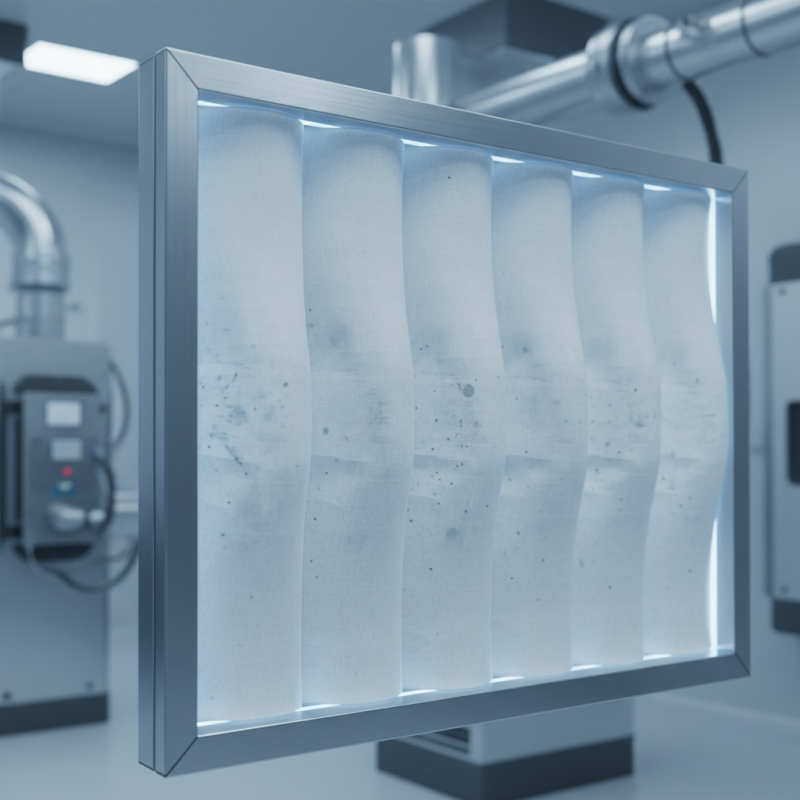
Pocket filter media is a crucial component in air filtration systems. It consists of a series of fabric pockets made from synthetic fibers or other materials. These pockets trap airborne particles effectively. The media is often designed for high airflow efficiency. It provides significant particle capture while maintaining low pressure drop.
One key characteristic of pocket filter media is its versatility. It can filter various particle sizes, from large dust to fine allergens. The structure maximizes surface area, allowing for greater filtration capacity. Moreover, the media is often resistant to moisture and chemicals, enhancing its lifespan and performance. However, users must be mindful of regular maintenance to ensure optimal functionality.
Tips: Always check the filter's condition regularly. A clogged pocket filter may not perform well. Consider changing it when you notice reduced airflow. Clean surrounding areas to minimize dust accumulation. This simple step can extend the filter's life significantly. Additionally, improper installation can lead to inefficiency, so be cautious during the setup. Observing these details can lead to better indoor air quality and filter longevity.
Application of Pocket Filter Media in 2026
Key Advantages of Using Pocket Filter Media in Air Filtration
Pocket filter media has become essential in air filtration. Its design allows for high efficiency in trapping particles while maintaining low resistance. By 2026, the demand for such media is projected to grow significantly. Research indicates that air pollution control in commercial environments is a major driver of this trend. Notably, pocket filters can capture pollutants with a 95% efficiency rate. This efficiency helps improve indoor air quality, a crucial factor for health.
Using pocket filter media presents key advantages. They have a larger surface area compared to traditional filters. This design enables them to hold more dirt and extend service life. This means less frequent replacements, which reduces costs. Improved airflow is another benefit. Clean air systems circulate better, promoting overall energy savings. According to the U.S. Department of Energy, better air filtration can cut energy costs by up to 15%.
**Tips:** Regularly check and replace filters as needed. Even the best filters lose efficiency over time. Consider your specific air quality needs. Not all filters suit every environment. Analyze the air quality data relevant to your space. Proper assessment ensures you select the best solution.
Top Industries Utilizing Pocket Filter Media in 2026
In 2026, pocket filter media is set to revolutionize various industries. These filters excel in capturing dust and airborne particles. Their compact design allows for efficient space utilization in systems. This is especially vital in manufacturing and HVAC sectors, where air quality is paramount. Increased emphasis on environmental standards is driving adoption in these fields.
The healthcare industry is also leveraging pocket filter media. Hospitals need high-efficiency filtration systems. Clean air is critical for patient safety. Filtration systems with pocket media are perfect for operating rooms. They ensure a sterile environment for surgeries and treatments. Even small hospitals recognize the need for such solutions.
On the industrial front, automotive manufacturing is increasingly using pocket filter media. As production ramps up, so does the generation of pollutants. These filters help maintain compliance with emission regulations. However, some manufacturers struggle to adapt quickly. They often face challenges in integrating new filtration technologies. A balance must be struck between innovation and existing systems for optimal results.
What is Pocket Filter Media and Its Top Applications in 2026?
| Application | Industry | Market Share (%) | Growth Rate (%) |
| Air Filtration | HVAC | 35 | 5.5 |
| Dust Collection | Manufacturing | 25 | 4.9 |
| Liquid Filtration | Water Treatment | 20 | 6.2 |
| Oil Separation | Petroleum | 10 | 3.8 |
| Air Quality Control | Healthcare | 10 | 5.0 |
Innovations and Trends in Pocket Filter Media Technology
The evolution of pocket filter media technology is reshaping air filtration. In 2026, innovations now focus on enhancing filtration efficiency while reducing energy consumption. With air pollution levels rising, industries are demanding better solutions. The global air filtration market is projected to reach $23 billion by 2026, indicating significant growth.
Recent studies highlight that pocket filter media can achieve particle capture efficiencies above 95%. This makes them ideal for use in commercial buildings and industrial setups. Moreover, new materials are emerging that improve durability and performance. Advanced nonwoven fabrics are gaining traction, offering higher dust-holding capacity compared to traditional options. These advancements can lead to longer lifespans for filters, but questions arise about sustainability and waste.
As demand grows, challenges remain. Manufacturers must balance cost and performance. Innovations sometimes come with complexities that require new maintenance strategies. There’s also the need for continuous research to adapt to changing environmental regulations. Overall, the future of pocket filter media looks promising, but attention to detail and thoughtful implementation will be critical for success.
Future Outlook and Market Growth for Pocket Filter Media Applications
Pocket filter media are essential components in air filtration systems. By 2026, their applications are expected to expand significantly across various industries. These filters capture airborne particles effectively, improving air quality in homes and workplaces. However, the effectiveness can vary based on environmental factors and maintenance practices.
Market growth for pocket filter media will be driven by increasing awareness of air quality. Industries such as healthcare and manufacturing will demand better filtration solutions. Yet, challenges exist. Some users may overlook routine filter changes, leading to reduced performance. Hence, education on maintenance is crucial.
Looking ahead, advancements in materials and technology will enhance filter efficiency. Companies must continuously innovate while addressing market needs. Sustainability will be a priority, as consumers seek eco-friendly options. Collaboration between manufacturers and users is vital for future success.