What is a pressure washer hose and how to choose the right one?
A pressure washer hose is essential for effective cleaning. Its quality and specifications determine how well a pressure washer operates. Selecting the right hose can impact your cleaning tasks significantly.
When choosing a pressure washer hose, consider the material and diameter. The right hose ensures adequate water flow and pressure. Most hoses are made from rubber or PVC, with rubber being more durable and flexible. Additionally, the diameter affects water output and pressure delivery.
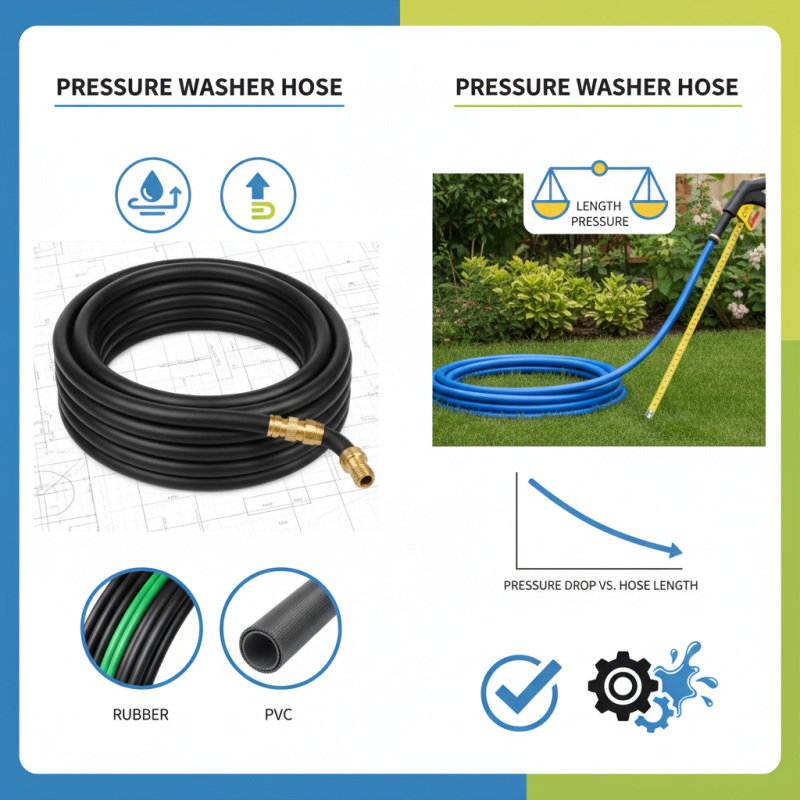
Pay attention to the length of the hose. A longer hose provides flexibility but may reduce pressure. It’s important to find a balance between length and pressure retention. An ideal pressure washer hose enhances cleaning efficiency. With proper knowledge, you can make informed decisions, ensuring your pressure washing tasks are both effective and satisfying.
What is a Pressure Washer Hose?
A pressure washer hose is an essential component of a pressure washing system. It connects the pressure washer to the cleaning nozzle. This hose is designed to withstand high-pressure water flow, typically ranging from 1,200 to 4,000 PSI. The materials used, often rubber or reinforced thermoplastic, ensure durability and flexibility. However, not all hoses are created equal. Choosing the right one is crucial for optimal performance.
Many professionals recommend the use of hoses with a length of 25 to 50 feet. According to data from the Pressure Washer Manufacturers Association, longer hoses can lead to pressure loss, affecting cleaning efficiency. The diameter of the hose also matters. A ¼ inch diameter is common for residential use, while a ⅜ inch diameter suits commercial applications. Using a hose that is too narrow can restrict water flow and reduce the washer's effectiveness.
It’s important to regularly inspect hoses for wear and tear. Cracks and leaks can lead to pressure loss and may even pose safety risks. Users should be aware that improper storage can also damage hoses. Heat and extreme cold can deteriorate materials over time. Investing in a quality pressure washer hose can enhance cleaning results and prolong the life of your pressure washing equipment. This choice can ultimately save you money and effort in the long run.
Pressure Washer Hose Length vs. Working Pressure
Types of Pressure Washer Hoses Available
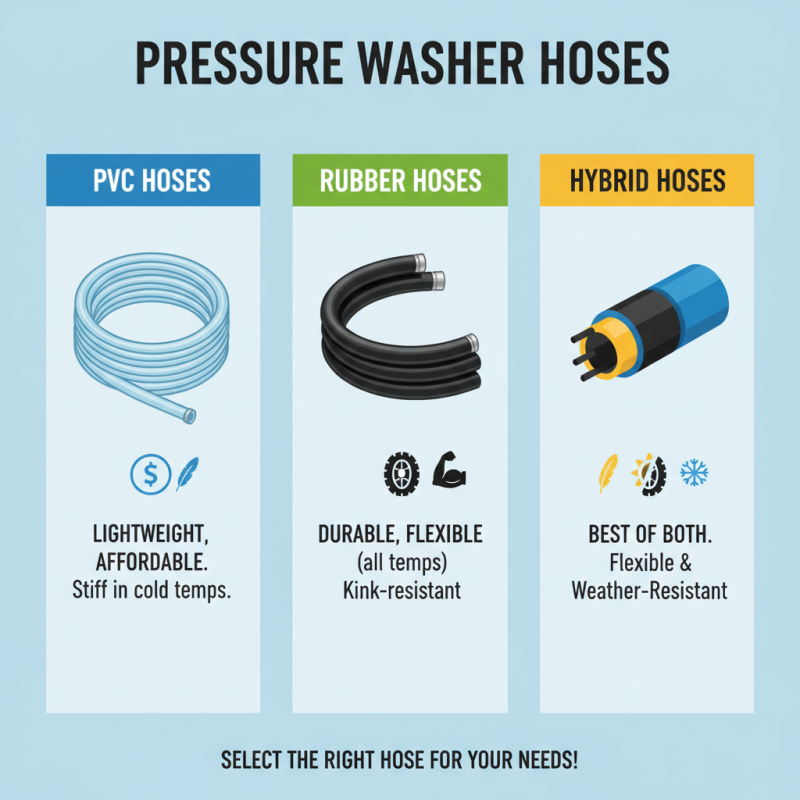
When selecting a pressure washer hose, understanding the types available is essential. The common types include PVC, rubber, and hybrid hoses. PVC hoses are lightweight and affordable. However, they can become stiff in cold weather, limiting flexibility. Rubber hoses, while heavier, offer durability and flexibility in various temperatures. They resist kinks better than PVC. Hybrid hoses combine the benefits of both materials, providing flexibility and resistance to weather conditions.
Another consideration is the hose diameter. Most come in 1/4 inch or 3/8 inch options. A larger diameter allows for higher water flow. This can enhance cleaning efficiency but may require a compatible pressure washer. Length is also crucial. Hoses typically range from 25 to 100 feet. A longer hose gives you more reach but can lead to a drop in water pressure.
Choosing the right hose depends on your specific needs. If you clean large areas, a longer, wider hose may be necessary. Conversely, for tight spaces, a shorter hose is more manageable. Be mindful of your pressure washer's compatibility with different hoses. Not all hoses fit all machines, so check specifications before purchasing.
Key Features to Consider When Choosing a Hose
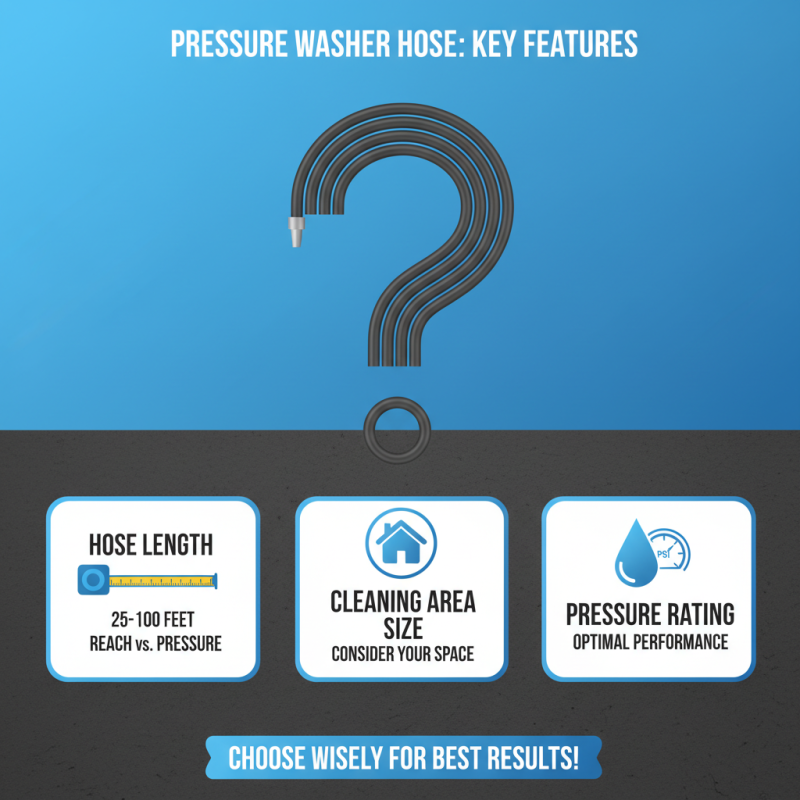
When selecting a pressure washer hose, several features are crucial. First, the hose length matters significantly. A longer hose offers more reach but may affect pressure. The common lengths range from 25 to 100 feet. Always consider your cleaning area before deciding.
Material is another essential feature. Most hoses are made of rubber or PVC. Rubber hoses are durable and flexible, suitable for heavy-duty usage. PVC hoses, while lighter, may not withstand high-pressure conditions as well. Pay attention to the hose diameter too. A wider diameter allows for higher flow rates which can enhance cleaning efficiency.
Check the hose's pressure rating. Ensure it matches or exceeds your pressure washer's specifications. Flexibility is important for ease of movement. A stiff hose can make your work tedious. Lastly, look for abrasion resistance; a hose that withstands wear and tear lasts longer. Reflect on how often you use a pressure washer. Investing in a quality hose may seem costly but saves money over time.
How to Measure Compatibility with Your Pressure Washer
Choosing the right pressure washer hose starts with understanding compatibility. It is crucial to measure the length and diameter of your existing hose. A standard pressure washer hose typically has a diameter of 1/4 inch. However, some systems may require a 3/8 inch hose, especially for heavier-duty tasks. Choosing the wrong size can hinder performance, leading to inefficient cleaning.
Another important factor is the connection type. Pressure washers often use either quick connect or threaded fittings. Knowing your washer's connection style ensures that the new hose can attach securely. Don't forget to consider the material of the hose. Reinforced materials tend to last longer but can be heavier and more rigid. This trade-off between durability and flexibility is something to think about.
Lastly, reflect on the hose's PSI rating. Select a hose that matches or exceeds your pressure washer's rating. There is a point where going overboard isn't necessary, but underestimating can lead to failures. Compatibility involves various elements, and taking the time to measure accurately will save hassle down the line.
What is a pressure washer hose and how to choose the right one? - How to Measure Compatibility with Your Pressure Washer
| Hose Diameter (inches) |
Hose Length (feet) |
Max Pressure (PSI) |
Material |
Compatibility |
| 1/4 |
50 |
3000 |
Rubber |
Most Gas Pressure Washers |
| 1/4 |
100 |
4000 |
PVC |
Electric Pressure Washers |
| 3/8 |
75 |
4500 |
Rubber |
Commercial Pressure Washers |
| 3/8 |
25 |
3000 |
Polyester |
Most Gas Pressure Washers |
| 1/4 |
50 |
2500 |
PVC |
Entry-level Pressure Washers |
Maintenance Tips for Prolonging Hose Life
Maintaining your pressure washer hose is crucial for longevity. A report from the Power Washers Institute reveals that proper care can extend hose life by up to 50%. Regular inspection is essential. Look for cracks, kinks, or abrasions. Small issues can quickly escalate into major problems, reducing performance.
Using the right storage practices also matters. Avoid leaving your hose in direct sunlight. UV rays can degrade materials over time. Rolling it up properly prevents kinks. A tangled hose often leads to leaks or bursts. Experts recommend storing hoses in a dark, dry place.
When using your pressure washer, be mindful of temperature limits. An overheated hose can become brittle and fail. Follow manufacturer guidelines for water temperature. Over time, even minor wear can impact efficiency. Assess your hose regularly and consider replacing it if you notice significant wear. Taking these steps can help maximize your equipment investment.