What is Pulses Cleaning And Grading Machine at Canton Fair?
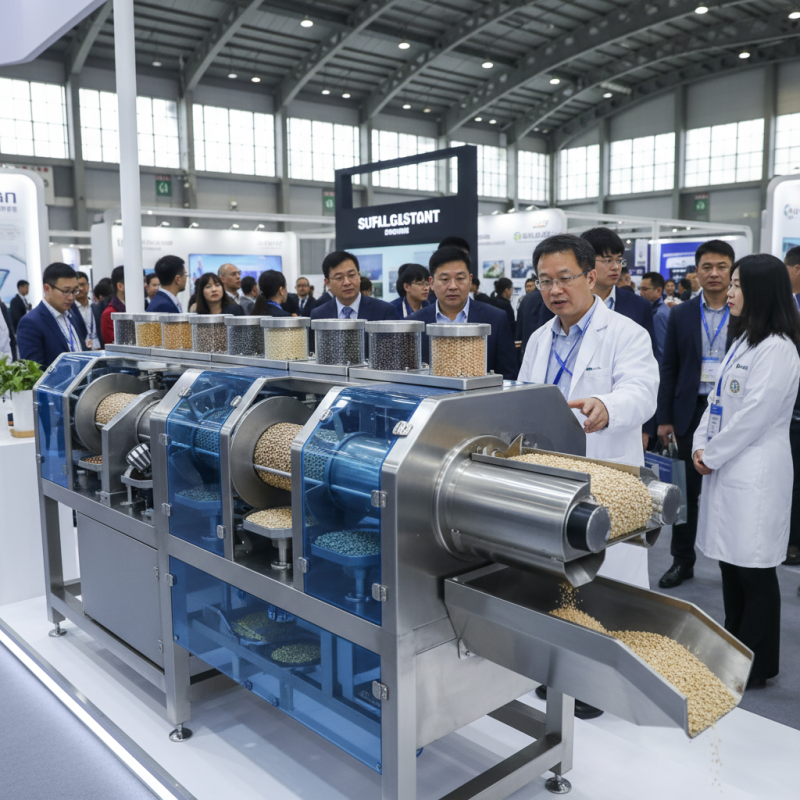
At the upcoming Canton Fair, the spotlight will be on the Pulses Cleaning And Grading Machine, an essential tool in the pulses industry. Experts like Dr. Liu, a renowned specialist in agricultural technology, emphasize, "Precision in cleaning and grading ensures quality pulses that meet global standards." This machine enhances the efficiency of cleaning pulses by removing dirt and foreign materials.
The Canton Fair, set to unfold in April 2026, will feature significant advancements in manufacturing and technology. With over 1.55 million square meters of exhibition space, the event promises innovations like AI-enabled navigation to streamline supplier sourcing. However, amidst these advancements, it's crucial to evaluate not just the functionality but also the sustainability of these machines.
While the industry embraces technology, there can be gaps in understanding environmental impacts. As manufacturers showcase their Pulses Cleaning And Grading Machines, discussions around waste management and energy consumption will be vital. Engaging with these topics could lead to better practices in the industry.
Definition of Pulses Cleaning and Grading Machine
Pulses cleaning and grading machines play a critical role in the agricultural industry. These machines are designed to enhance the quality of pulses by removing impurities and sorting them by size. According to a recent report published by the Food and Agriculture Organization (FAO), the global pulses market is projected to grow significantly, reaching over $100 billion by 2025. This growth amplifies the need for efficient cleaning processes.
These machines employ various methods, including air aspiration, sieving, and specific gravity separation. For example, air aspiration removes lighter debris, while sieving sorts pulses based on size. It's essential to use the right machine for specific pulse types. However, many operators neglect this aspect, leading to product loss and increased costs. It's a common oversight that can affect the entire supply chain.
Moreover, the technology in these machines continues to evolve. Automation and sensor technology are increasingly integrated for better precision. Nevertheless, some users find these advancements challenging to implement. Training is sometimes lacking. This gap can reduce efficiency. Addressing training needs can significantly improve the operation of pulses cleaning and grading machines.
Importance of Pulses Cleaning and Grading in Agriculture
Cleaning and grading pulses is crucial in agriculture. This process ensures high-quality products for consumers. Farmers need to maintain standards to meet market demands. Properly cleaned pulses prevent losses from pests and diseases. Grading further enhances value by sorting sizes and quality.
At trade fairs like the Canton Fair, these machines take center stage. They demonstrate efficiency in cleaning and sorting pulses. Observing machines in action can be enlightening. However, not all machines perform equally. Some may miss debris or fail to sort correctly. It's essential for farmers to share their experiences and provide feedback.
Investing in quality cleaning and grading machinery is vital for agricultural success. Pulse quality affects everything from yields to market reputation. A clean pulse attracts better prices. Yet, some farmers may overlook regular maintenance. This can lead to inefficiencies. Continuous improvement in cleaning and grading practices is necessary for sustainable farming.
Key Features of Pulses Cleaning and Grading Machines
Pulses cleaning and grading machines are essential in the food processing industry. They play a crucial role in ensuring high-quality pulses for consumers. According to industry reports, these machines can increase the efficiency of sorting and cleaning by up to 95%. This means better profitability for producers.
Key features of these machines include advanced screening technology. This technology allows for accurate separation of pulses based on size and weight. As a result, uniformity in product quality is achieved. Additionally, many modern machines use air suction systems. This system effectively removes dust and impurities, enhancing the overall quality of the pulses.
However, challenges remain. Some machines may struggle with sticky or moist pulses. This can lead to inefficient cleaning processes. Regular maintenance is necessary to keep machines running optimally. Moreover, operators need proper training to handle these sophisticated machines effectively. The industry continues to innovate, but some issues need to be addressed for better efficiency and performance.
Applications in the Food Processing Industry
In the food processing industry, pulses cleaning and grading machines play a vital role. These machines ensure the quality of lentils, peas, and chickpeas by removing impurities and sorting them efficiently. According to industry reports, about 20% of pulses can be contaminated in the handling process. This highlights the crucial need for a reliable cleaning and grading system.
Pulses cleaning and grading machines utilize advanced technologies. They often employ air classifiers and vibrating screens. These features help separate good pulses from foreign materials. In 2022, the global pulses processing market was valued at approximately $1.2 billion, reflecting the growing demand for high-quality pulses in food production.
Tips: Regular maintenance of cleaning machines is essential. Clogged filters can affect performance. Ensure that you clean the machines frequently to avoid any bottlenecks in production. Additionally, consider investing in machines with adjustable settings. This allows for more flexibility when handling different types of pulses, ensuring consistent quality.
Overview of Exhibitors at the Canton Fair for Pulses Machinery
The Canton Fair showcases a variety of exhibitors specializing in pulses cleaning and grading machinery. These machines are crucial for ensuring high-quality pulses. Many visitors flock to this event to discover the latest innovations in this sector.
Exhibitors display advanced technology that improves efficiency. Machines effectively remove impurities, ensuring a cleaner product. Visitors are often impressed by the automated features and user-friendly designs. However, some equipment may appear complex and require thorough understanding. Training sessions might be necessary for optimal use.
Networking is another vital aspect of the fair. Exhibitors share expertise on best practices in pulses processing. Some attendees express concerns about high initial investments in new machinery. Yet, the long-term benefits can outweigh these costs. Continuous learning and adaptation remain essential in this ever-evolving market.