What is Sprayer Parts and How Do They Work?
Sprayer parts are essential components for anyone using spraying equipment. They play a crucial role in ensuring effective operation. Understanding these parts helps maintain and enhance performance.
Many types of sprayer parts exist, including nozzles, hoses, and pumps. Each part has a specific function, and their interaction is vital. A faulty nozzle, for instance, can lead to uneven spraying. This might result in wasted resources and poor results. Choosing the right parts matters.
Proper knowledge of sprayer parts can save time and money. Maintenance is often overlooked, but it's important. Sometimes, people ignore signs of wear and tear. This leads to bigger issues later on. Reflecting on how we use these tools encourages better practices.
Understanding the Definition and Functionality of Sprayer Parts
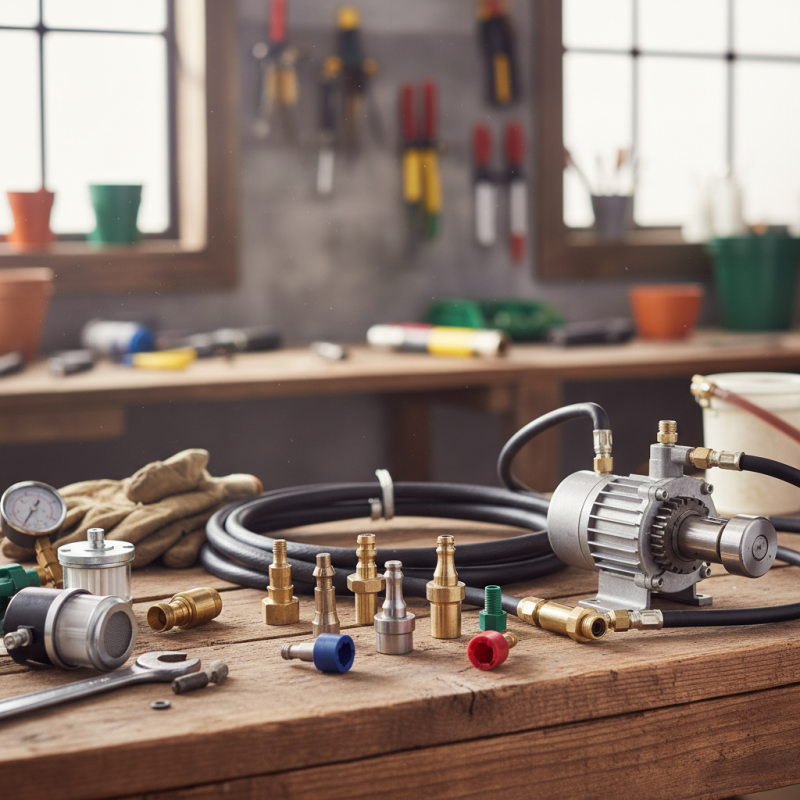
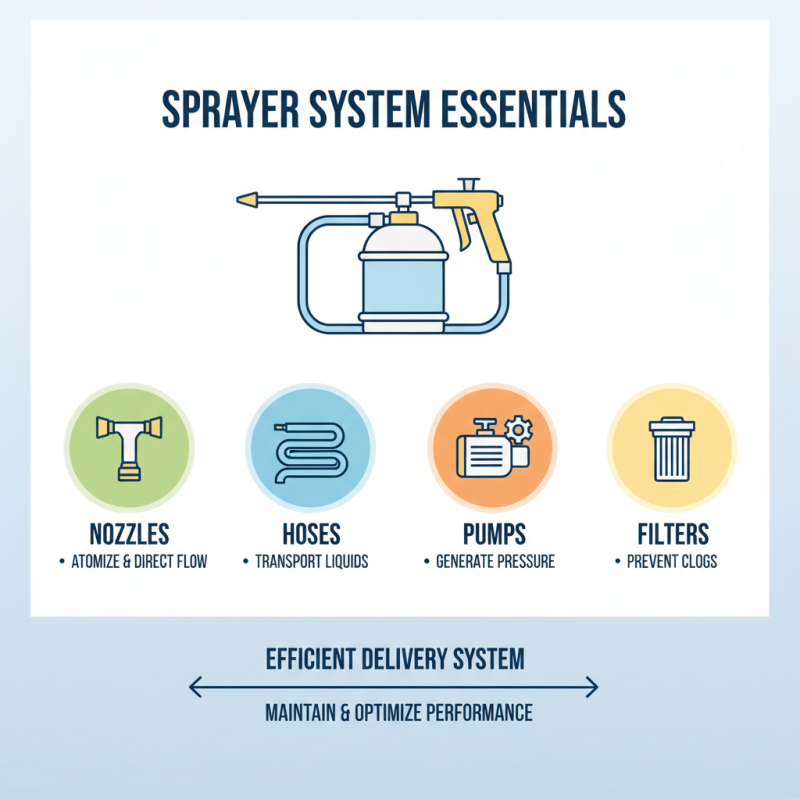
Sprayer parts are essential components of any spraying system. They play a crucial role in delivering liquids efficiently. Understanding their functionality helps users maintain and utilize their equipment better. Key parts include nozzles, hoses, pumps, and filters. Each part has a specific job that contributes to overall performance.
Nozzles control the spray pattern and droplet size. They can have various shapes and sizes. Choosing the right nozzle is vital for the task at hand. Hoses transport the liquid from the tank to the nozzle. They must be durable to withstand pressure and resistant to chemicals. Pumps are responsible for moving the liquid. They come in different types, affecting the flow rate and spray efficiency.
Tips: Regularly check for leaks or blockages in hoses. Small issues can escalate into bigger problems. Ensure nozzles are clean and correctly sized. This improves accuracy and reduces waste. If something doesn’t seem right, take a moment to reflect. It might save you from future headaches. Always have spare parts on hand. You never know when you’ll need them. Proper maintenance goes a long way in ensuring the longevity of your sprayers.
Key Components of Sprayer Systems and Their Roles in Applications
Sprayer systems play a crucial role in various applications, from agriculture to pest control. The key components of these systems include pumps, nozzles, and hoses. Each part has its specific role, contributing to the overall efficiency of the spraying process.
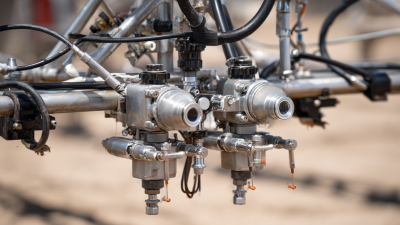
Pumps help to create the necessary pressure for liquid to flow. A well-functioning pump is essential for accurate application. Nozzles, on the other hand, disperse the liquid into a fine mist. The design of a nozzle can affect the droplet size. This impacts how well the spray reaches its target. Hoses connect the pump and nozzles, facilitating fluid transport. Any leaks or damages here can result in wastage.
Understanding these components is vital. One may overlook the significance of a simple nozzle's design. A poorly chosen nozzle can limit effectiveness. A mismatch in hose size can lead to pressure issues and inefficiencies. Sprayer systems require careful attention to detail, making knowledge of each component imperative. Unforeseen challenges can arise if components are not regularly maintained.
Key Components of Sprayer Systems
This chart illustrates the importance rating of various key components in sprayer systems, highlighting the roles of each part in ensuring effective operation. The pump is rated the highest, followed by the nozzle and tank, while hoses and pressure regulators are also essential but with comparatively lower ratings.
How Sprayer Parts Influence Efficiency and Performance in Spraying
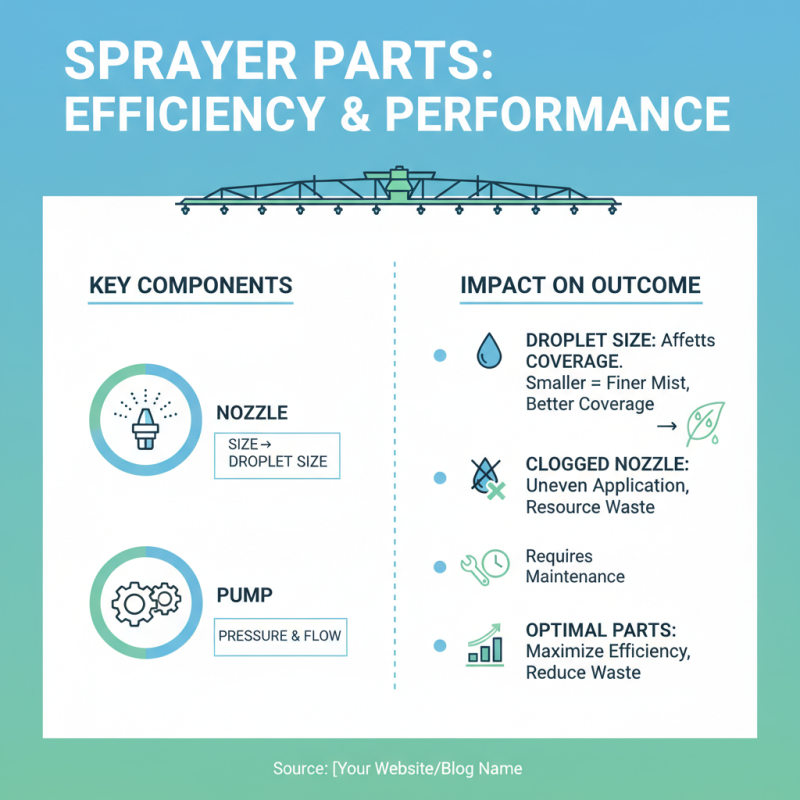
Sprayer parts play a crucial role in determining the efficiency and performance of spraying operations. Each component, whether it's the nozzle or the pump, influences the overall outcome. The nozzle size affects droplet size directly. Smaller nozzles produce finer droplets, ideal for coverage. However, they may clog more often, requiring regular maintenance. A clogged nozzle can lead to uneven application, wasting resources.
The pump serves as the heart of the sprayer. It controls the flow rate and pressure. A pump that doesn’t provide adequate pressure can result in weak spray patterns. This inefficiency can lead to overuse of the solution, often making the task costlier. On the other hand, too much pressure can cause drift, where droplets are carried away by the wind. It’s a delicate balance that requires attention to detail and frequent adjustment.
Additionally, other parts like filters must not be overlooked. Dirty filters can disrupt the flow and efficiency. Sprayer operators often find themselves cleaning more than they anticipated. It's easy to underestimate the importance of regular maintenance. Inconsistent performance may not be immediately apparent, but it builds up over time. Keeping all sprayer parts in top condition is essential for achieving optimal results.
Industry Standards and Metrics for Effective Sprayer Part Selection
Selecting the right sprayer parts requires careful consideration of industry standards and metrics. This ensures that the components work efficiently together. It’s vital to understand the specifications of your sprayer system. This includes flow rates, pressure settings, and compatibility with various fluids. Many people overlook these details, leading to suboptimal performance.
When choosing parts, focus on quality and durability. Standard industry measurements provide a baseline for evaluation. You should look for compatibility with specific applications, whether agricultural or industrial. Different tasks require different nozzles, pumps, or filters. Failing to match components can result in inconsistent results.
While many resources are available, some users report confusion over specifications. It can be tricky to navigate the jargon. Not all options work well under demanding conditions. Research and familiarity can help, but learning from mistakes is often necessary. Cross-referencing reviews and expert recommendations may reveal hidden shortcomings in your choices.
Maintenance Tips for Sprayer Parts to Enhance Longevity and Efficiency
Maintaining sprayer parts is crucial for optimal performance. Regular upkeep can enhance longevity and efficiency. Checking for wear and tear should be part of your routine. Simple actions can prevent larger issues down the line.
**Tip 1:** Inspect seals regularly. Damaged seals can lead to leaks. This not only wastes material but may also affect pressure. A quick visual check ensures they function properly. Replace them as needed to maintain efficiency.
**Tip 2:** Clean filters frequently. Clogged filters can reduce flow rates. This issue often goes unnoticed until performance drops. Remove and rinse filters regularly to avoid this problem. Keeping them clean helps the sprayer operate smoothly.
Do not forget about the spray nozzles. They are the heart of the sprayer's effectiveness. Regularly check for blockages and uneven spray patterns. A tiny blockage can greatly affect your work. Remove and clean nozzles whenever you notice inconsistent spray.
What is Sprayer Parts and How Do They Work? - Maintenance Tips for Sprayer Parts to Enhance Longevity and Efficiency
| Part Name |
Function |
Common Issues |
Maintenance Tips |
Lifespan (Years) |
| Pump |
Creates pressure to spray fluid |
Leaking, reduced pressure |
Regularly check seals, avoid dry running |
5-10 |
| Nozzle |
Disperses spray in a specific pattern |
Clogging, uneven spray |
Clean regularly, replace as needed |
3-5 |
| Hoses |
Transport fluid from the tank to the nozzle |
Cracking, leaks |
Check for damage, replace if compromised |
5-7 |
| Tank |
Holds the fluid to be sprayed |
Cracks, corrosion |
Inspect regularly, clean after use |
10-15 |
| Filter |
Removes debris from the fluid |
Clogs, reduced flow |
Clean or replace regularly, especially with new fluids |
2-4 |