What is a Stainless Steel Ball Valve and How Does It Work?
In industrial applications, the stainless steel ball valve is a critical component. Its robust design ensures durability and reliability. According to a report by Market Research Future, the global market for stainless steel ball valves is expected to reach $2.1 billion by 2026, reflecting a growing demand in various sectors.
Expert Brian Smith, a renowned figure in valve technology, emphasizes the importance of these valves: "Stainless steel ball valves provide unmatched precision in control." Their unique construction allows for minimal pressure drop and optimal flow rates. This efficiency is vital in fluid control systems across industries, from oil and gas to pharmaceuticals.
Despite their reliability, it is essential to recognize the maintenance needs of stainless steel ball valves. Regular inspections can prevent issues that compromise performance. Understanding their function and application can lead to better operational efficiency. This focus can make a significant difference in overall system performance.
What is a Stainless Steel Ball Valve?
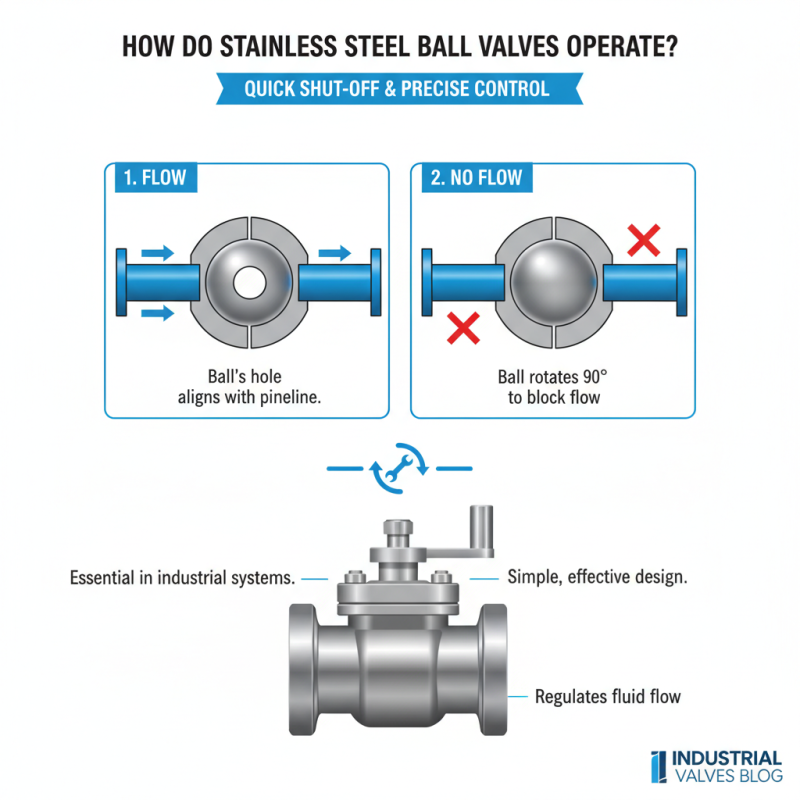
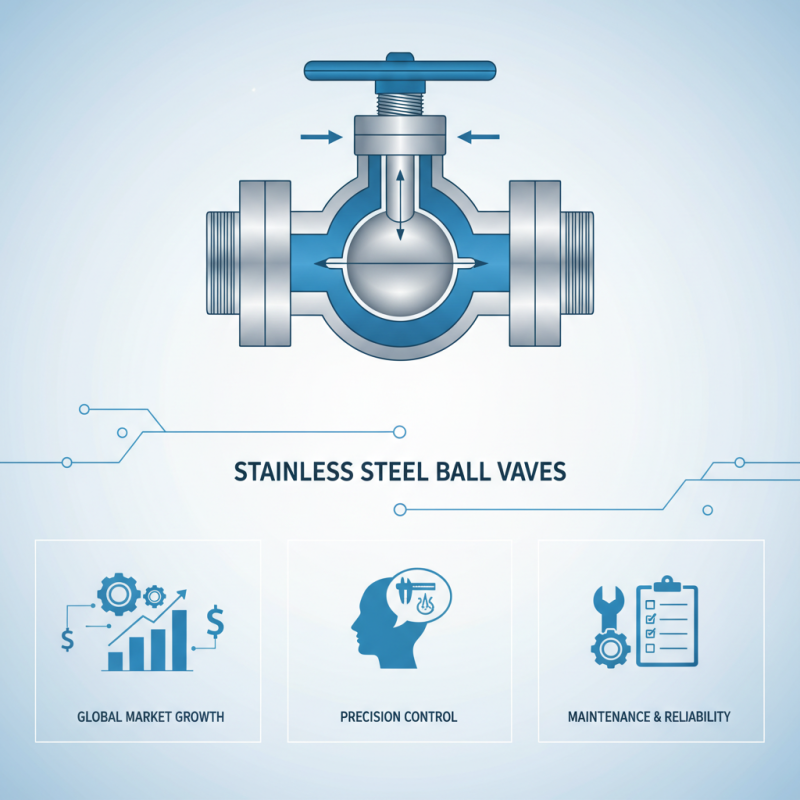
A stainless steel ball valve is a crucial component in many piping systems. It features a spherical disc, or ball, that controls flow. When the valve is open, the ball aligns with the flow direction, allowing liquids or gases to pass through. When closed, the ball rotates to block the flow. This straightforward design makes ball valves popular in various applications.
These valves are made of durable stainless steel. This material ensures resistance to corrosion and high temperatures. Because of this, they are often used in chemical processing or oil and gas industries. Installation is usually straightforward, but attention is needed to ensure proper alignment. Improper installation can lead to leaks or reduced efficiency, raising safety concerns. Observing these details is essential for reliable operation.
The working principle itself is simple, yet effective. However, some users may overlook maintenance. Regular inspection is critical to identify wear or damage. Neglecting this can lead to valve failure, causing operational setbacks. Understanding how a stainless steel ball valve works helps users appreciate its role in maintaining flow control.
Key Components of Stainless Steel Ball Valves
Stainless steel ball valves are essential in various industries. They primarily control fluid flow. Understanding their key components helps ensure optimal performance.
The main part is the ball itself. It has a hole in the center. This hole allows flow when aligned with the pipeline. When the ball turns, it blocks flow. The body holds everything together. It is made from durable stainless steel. This material resists corrosion and lasts longer.
Another vital component is the seat. It creates a seal to prevent leaks. Typically made from rubber or PTFE, it offers flexibility. Packing and stem also play crucial roles. The packing prevents leaks around the stem. This ensures smooth operation. Regular maintenance is often overlooked. Ignoring it can lead to failures. Keep an eye on these elements to ensure efficiency.
How Do Stainless Steel Ball Valves Operate?
Stainless steel ball valves are essential components in various industrial systems. They function with a movable ball inside a valve body, which regulates fluid flow. When the ball's hole aligns with the pipeline, flow occurs. When the ball rotates 90 degrees, it blocks the flow entirely. This simple but effective design allows for quick shut-off and precise control.
The operating mechanism is straightforward. A lever or actuator turns the ball, enabling easy handling. When closed, the sealing is tight, minimizing leaks. Stainless steel offers durability and corrosion resistance, making these valves reliable in harsh environments. Commonly found in water treatment, oil and gas, and chemical processes, they maintain efficiency through simple operation.
Tips: Regular maintenance is crucial for optimal performance. Ensure valves are periodically inspected for wear and tear. Lubricate moving parts to avoid seizing. When choosing a valve, consider factors like pressure ratings and compatibility with the fluid being used. Remember, improper installation can lead to failures, so double-check connections. Having a knowledgeable team for installation and maintenance will enhance reliability.
Advantages of Using Stainless Steel Ball Valves
Stainless steel ball valves are essential in various industries. They offer numerous advantages that enhance operational efficiency. One notable benefit is their durability. Stainless steel is corrosion-resistant and can withstand high temperatures. This makes these valves ideal for demanding environments.
Another significant advantage is their reliable sealing capability. When closed, a ball valve provides a tight seal. This prevents leaks, which is crucial for safety and environmental protection. Furthermore, they require minimal maintenance compared to other valve types. The simple design allows for easy operation.
Flexibility in applications is another strength. These valves suit a wide range of media, from water to chemicals. However, users should consider the initial cost, as stainless steel valves are often pricier. Yet, their long-term performance typically justifies this investment. This balance between cost and benefits highlights the importance of informed decision-making when selecting valves.
Common Applications for Stainless Steel Ball Valves
Stainless steel ball valves are widely used in various applications due to their durability and corrosion resistance. Common applications include water treatment, chemical processing, and oil and gas industries. In these fields, the need for reliable sealing and flow control is critical. Ball valves provide a tight seal, preventing leaks while allowing swift flow adjustments.
In the food and beverage sector, stainless steel ball valves play a crucial role. They help maintain hygiene standards. Their smooth surfaces prevent bacteria buildup. Regular inspections are essential to ensure they function correctly under demanding conditions. Users must check for wear and tear.
Tips: Always consider the working pressure when selecting a ball valve type. Understanding the operating environment helps in choosing the right valve material. Not all applications need high-performance valves, and sometimes a simpler design suffices. Balancing robustness and cost can lead you to the right choice.
What is a Stainless Steel Ball Valve and How Does It Work? - Common Applications for Stainless Steel Ball Valves
| Feature |
Description |
| Material |
Stainless steel (commonly 304 or 316 grade) |
| Operation |
Turns a quarter turn (90 degrees) for fully open or closed |
| Sealing Mechanism |
Uses PTFE (Teflon) seals for leak-proof performance |
| Applications |
Water treatment, chemical processing, food and beverage industries |
| Advantages |
Durability, resistance to corrosion, low operating torque |
| Sizes Available |
Typically ranges from 1/4 inch to 12 inches |
| Pressure Ratings |
Commonly rated up to 600 PSI (varies by design) |