Top Tips for Sourcing from China Metal Assembly Factory?
Sourcing from a China Metal Assembly Factory can be a strategic move for many businesses. It offers the potential for cost-effective manufacturing that meets global standards. However, navigating this process can be complex and daunting. Understanding the nuances of the industry, factory capabilities, and quality control measures is essential.
The landscape of metal assembly is vast. There are countless factories, each with its strengths and weaknesses. Not all factories are created equal, and some may lack essential certifications. Specific due diligence is required to ensure reliability. Engaging in a thorough evaluation process can help identify the best manufacturing partner for your needs.
Many companies overlook the importance of communication. Establishing clear expectations and boundaries is crucial to prevent misunderstandings. Additionally, consider potential cultural differences that may impact negotiations and workflows. Taking the time to reflect on these factors can lead to better outcomes and reliable partnerships with China Metal Assembly Factory.
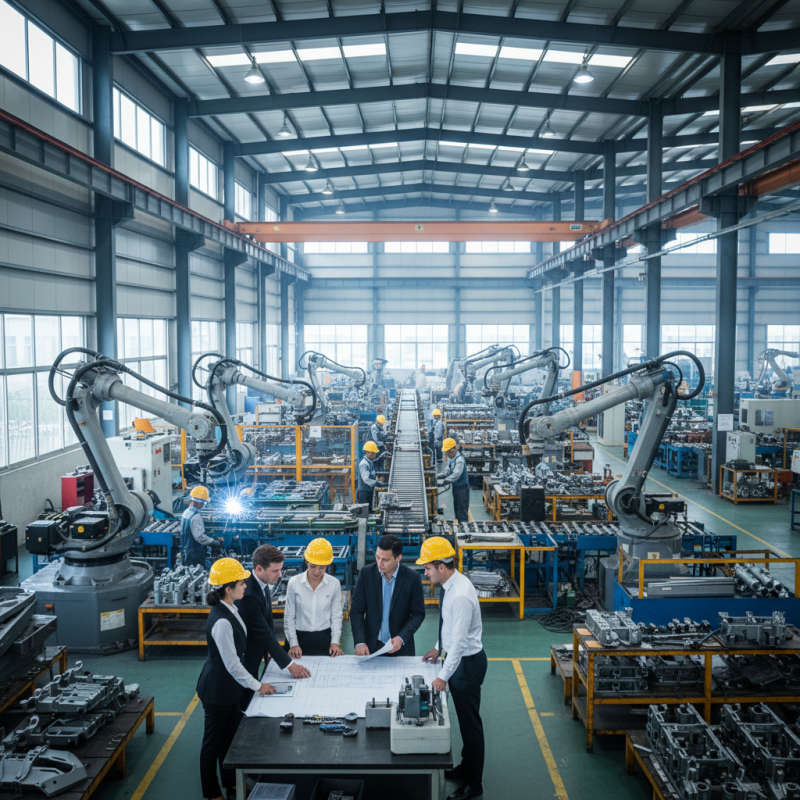
Understanding the Types of Metal Assembly Factories in China
When sourcing from metal assembly factories in China, it’s crucial to understand the various types available. Broadly, these factories can be categorized into three main types: standard assembly, customized assembly, and high-volume production facilities. According to industry reports, China accounts for over 28% of the global metal fabrication market, which highlights the significance of these factories in the international supply chain.
Standard assembly factories typically provide mass-produced items that may not need high customization. They often focus on cost-efficiency, which can yield lower quality. Customized assembly factories, however, cater to specific needs, allowing greater flexibility in design and production. Their expertise can lead to superior products, yet they often come at a higher price. High-volume production facilities focus on large scale manufacturing. They are equipped to handle significant orders but can struggle with quality control issues if not properly managed.
Tip: When selecting a factory, check for certifications that affirm quality standards. Look for ISO 9001 and similar credentials to ensure reliability.
Choosing the right type of factory involves some careful reflection. You may face the challenge of balancing cost with quality and time. A factory's capability should match your project requirements closely. Researching each factory’s past projects can be an insightful step. Understanding their strengths and weaknesses will help in making informed decisions.
Understanding Metal Assembly Production in China
Evaluating Quality Standards in Chinese Metal Assembly Manufacturing
When sourcing from a Chinese metal assembly factory, evaluating quality standards is crucial. Quality begins with the materials used in production. Inspecting raw materials can reveal a lot about the factory’s commitment to quality. Ask for certifications that verify the material's integrity. This step often requires proactive communication with the factory.
Next, consider the factory's production processes. Inquire about their quality control measures at every production stage. Ask specific questions about defect rates, testing methodologies, and how they address issues. Factories that are detailed in their responses show they take quality seriously. It’s also wise to request samples before committing to larger orders.
However, not every factory meets the high standards expected. Some may provide samples that look impressive but fail during actual production. This discrepancy can lead to losses. Conducting site visits, if possible, can give you firsthand experience of their operations. Trust but verify.
Key Factors to Consider When Choosing a Metal Assembly Partner
Choosing the right metal assembly partner in China involves several critical factors. Start with their experience in the industry. Look for a factory with years of expertise and a strong track record. This demonstrates their ability to handle complex projects and adapt to various requirements.
Quality assurance is non-negotiable. Investigate their quality control processes. Are there certifications like ISO 9001? Regular audits and testing ensure the end product meets your standards. A reliable factory prioritizes quality at every stage of production.
Communication matters significantly in international sourcing. Ensure that they provide clear and timely updates. This can prevent misunderstandings and delays. Language barriers may pose challenges, so a partner with English-speaking staff can be beneficial.
Tip: Visit the factory if possible. A personal visit allows you to assess capabilities firsthand. Building a relationship on trust is crucial in this business.
Cost is a common consideration, but never compromise on quality. Keep in mind that the lowest price may indicate inferior materials or poor craftsmanship. Consider the long-term implications of such choices. Evaluating multiple quotations can provide a better perspective.
Effective Communication Strategies with Chinese Suppliers
Effective communication is crucial when sourcing from a China metal assembly factory. Understanding cultural nuances can bridge gaps. Many foreign buyers struggle with language barriers, leading to misunderstandings. A report from the International Trade Centre states that 50% of small businesses cite communication challenges as a significant hurdle in international trade. To improve clarity, use simple language and avoid jargon.
Negotiations often come with a different rhythm in China. Suppliers may favor indirect communication over direct confrontation. Learning to read non-verbal cues can enhance interactions. Studies show that fostering personal relationships boosts trust; 70% of successful partnerships cite solid rapport as key. Investing time in building these relationships pays dividends.
Technology can also play a role. Video conferencing tools allow real-time discussions. Screen sharing can confirm specifications more clearly. However, technology isn't foolproof. Connectivity issues may arise, delaying projects. A flexible approach is vital. Always follow up written communication with a phone call to ensure grasp of details. Check and reflect on feedback from suppliers to continuously improve sourcing experiences.
Navigating Shipping and Logistics for Metal Products from China
When sourcing metal products from Chinese factories, understanding shipping and logistics is crucial. Timely delivery can impact your operations significantly. Always plan ahead and consider lead times, as delays may occur due to customs processes or port congestion.
One of the biggest challenges is navigating customs regulations. Each country has specific import rules. Partnering with a logistics expert helps. They can guide you through paperwork and ensure compliance. This minimizes the risk of your goods being held up.
Tips for smoother shipping:
1. Choose the right shipping method—air freight is faster but costlier, while sea freight takes longer but is more economical.
2. Always verify the manufacturer's experience with international shipping. An experienced supplier improves reliability.
3. Communicate openly with your shipper. Misunderstandings can lead to delays.
Evaluate your logistics regularly. Reflect on past shipments and identify areas for improvement. Adjust your strategies based on lessons learned.
Top Tips for Sourcing from China Metal Assembly Factory
| Tip | Description | Considerations |
| Research Suppliers | Look for verified manufacturers with good reviews and certifications. | Check platforms like Alibaba, and ensure they have ISO certifications. |
| Request Samples | Order samples to assess quality and verify manufacturing capabilities. | Factor in sample costs and shipping time when planning. |
| Negotiate Terms | Discuss pricing, MOQ, and payment terms clearly before placing an order. | Ensure that all negotiations are documented in writing. |
| Plan for Logistics | Understand the shipping lead times and logistics options available. | Consider using freight forwarders for better rates and reliability. |
| Check Import Regulations | Familiarize yourself with your country’s import regulations for metal products. | Ensure compliance to avoid delays or fines during customs clearance. |