2026 Top Ball Valves Types You Need to Know?
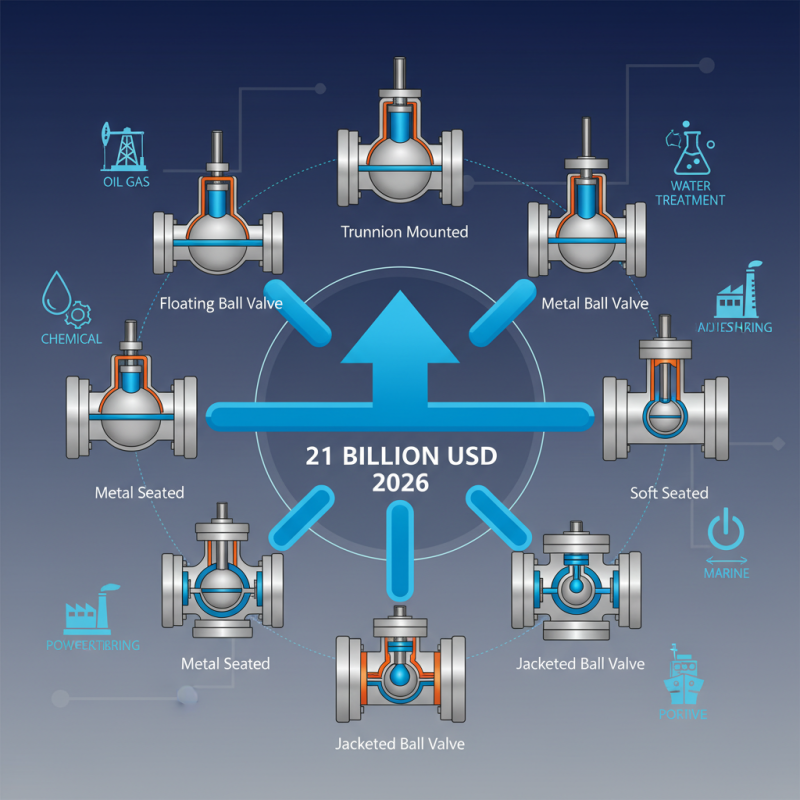
In the evolving landscape of industrial applications, ball valves play a crucial role. According to a recent market analysis, the ball valve market is projected to reach USD 21 billion by 2026. This growth underscores the importance of understanding various types of ball valves. Industries are increasingly reliant on these valves for their reliability and efficiency in regulating flow.
The versatility of ball valves makes them suitable for numerous applications. From oil and gas to water treatment, they are integral in maintaining system integrity. However, the diversity of available types can be overwhelming. Each type has unique features and applications that must be carefully evaluated to ensure optimal performance.
Despite their advantages, ball valves are not without limitations. Issues such as maintenance and potential leakage can arise over time. This necessitates regular assessments and careful selection of valve types. As industries continue to evolve, keeping abreast of the latest ball valve developments will be critical for engineers and decision-makers. Understanding these facets is essential for making informed choices in fluid control solutions.
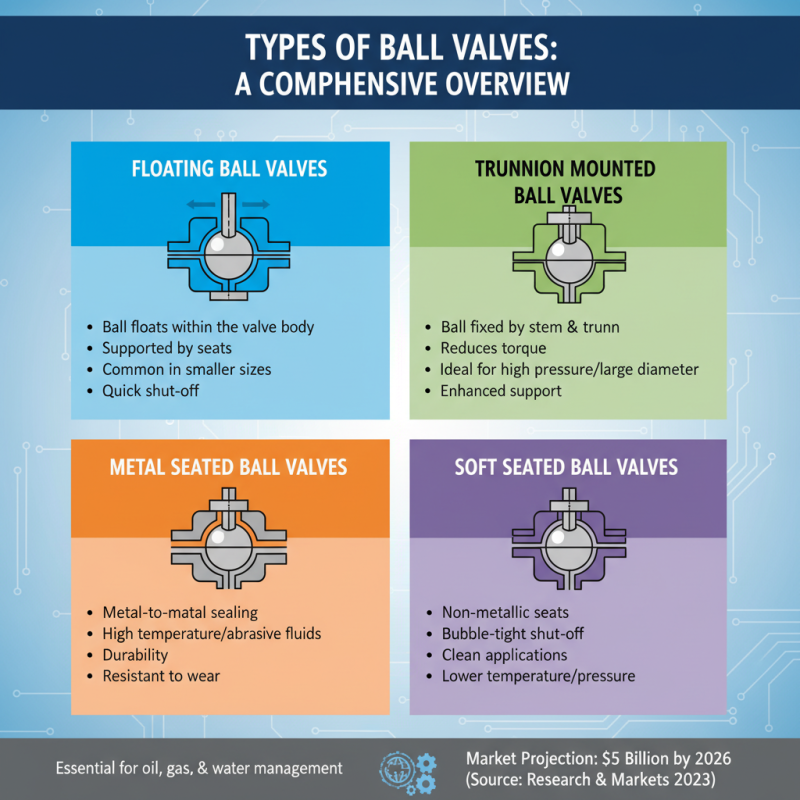
Types of Ball Valves: A Comprehensive Overview
Ball valves are essential components in various industries, including oil, gas, and water management. They provide reliable performance and quick operation, essential for efficient system control. According to a 2023 market analysis by Research and Markets, the ball valve market is projected to reach $5 billion by 2026, reflecting an increasing demand for efficient flow control solutions.
There are several types of ball valves, each designed for specific applications. Standard ball valves offer excellent sealing capabilities and simplicity. Floating ball valves, popular in smaller pipelines, utilize the flow pressure to tighten the seal against the body. Conversely, trunnion-mounted ball valves are more suited for high-pressure applications, featuring a more complex structure to manage larger volumes of fluid.
The choice of material is also critical in ball valve design. Common materials like stainless steel and PVC cater to diverse environments. Nevertheless, many professionals overlook the importance of compatibility with aggressive substances. Misalignment in material selection can result in failures, leading to costly repairs and downtime. Understanding the nuances of each valve type ensures optimal performance and longevity.
Characteristics of Different Ball Valve Designs
When examining ball valves, various designs shine due to their specific characteristics. Each type of valve serves distinct applications within industrial settings. For instance, floating ball valves offer flexibility and ease of maintenance, making them popular in low-pressure applications. Conversely, trunnion-mounted ball valves are designed for high-pressure systems. According to a 2022 report from the Valve Manufacturers Association, floating ball valves account for around 50% of the global market due to their versatile use.
Consider the sphere design of a ball valve. This allows for a smooth flow. This feature minimizes turbulence and reduces pressure loss. However, one issue arises. If not properly sized, these valves can cause significant flow restriction. Thus, careful selection is crucial. Besides the design, the materials used in construction, such as stainless steel or plastic, significantly impact durability and application suitability. For example, stainless steel valves withstand high temperatures and corrosive environments better than plastic counterparts.
Moreover, understanding the valve's sealing mechanism is essential. Soft-seated valves provide excellent sealing capability but may wear faster under high temperatures. Alternative metal-seated options resist wear but can struggle with sealing efficiency. According to recent studies, approximately 15% of operational failures in industrial systems arise from improper valve types, highlighting the importance of informed decision-making in valve selection.
2026 Top Ball Valves Types You Need to Know
Applications of Ball Valves in Various Industries
Ball valves are vital components in various industries due to their reliability and efficiency. They are commonly used in oil and gas, water treatment, and chemical processing. Research indicates that the global ball valve market is projected to grow significantly, reaching $12 billion by 2026. This growth underscores the increasing demand for effective flow control solutions.
In the oil and gas sector, ball valves ensure safe and efficient operations. These valves can handle high pressure and high-temperature conditions, making them suitable for upstream and downstream applications. A report from the International Energy Agency highlights that the oil and gas industry accounted for over 30% of the total ball valve consumption in 2021. This substantial usage reflects a need for durable valve solutions that can mitigate risks associated with fluid flow.
In water treatment facilities, ball valves play a crucial role in controlling water flow. They are preferred for their ease of operation and minimal flow restriction. Studies show that nearly 25% of ball valves are used in municipal water systems. However, challenges exist in maintaining these valves. Regular maintenance is often overlooked, leading to potential leaks. Addressing these issues is essential to ensure consistent water quality and system reliability in the long term.
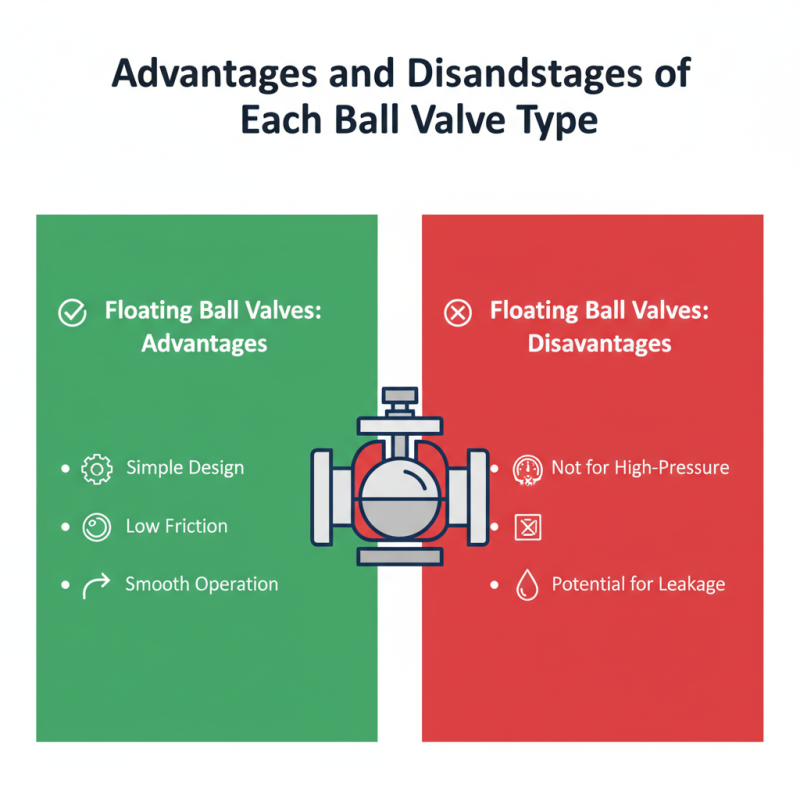
Advantages and Disadvantages of Each Ball Valve Type
When choosing a ball valve, understanding its advantages and disadvantages is crucial. Floating ball valves have a simple design. They offer low friction, which allows for smooth operation. However, they may not be suitable for high-pressure applications. Their inability to seal completely under pressure can lead to leakage.
On the other hand, trunnion-mounted ball valves are robust. They excel in high-pressure environments, providing excellent sealing capabilities. But their complexity can lead to higher maintenance costs. They also require more space for installation, which can be a drawback in compact setups.
Each valve type has unique characteristics that might not fit every situation. Assessing the specific needs of your application is essential. Regular maintenance is vital for both types to ensure long-term reliability. Understanding these factors will help you make a more informed decision.
Best Practices for Selecting and Maintaining Ball Valves
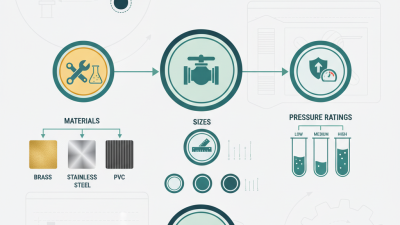
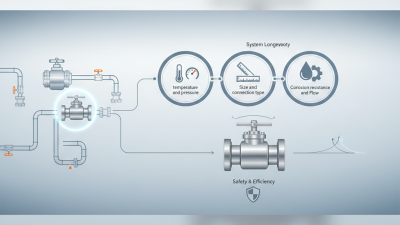
When selecting ball valves, it's essential to consider various factors. Look at the valve's material, pressure rating, and temperature limits. A well-matched valve ensures optimal performance in your system. Choose materials that resist corrosion and can withstand specific environmental conditions. This choice will extend the lifespan of the valve.
Regular maintenance is crucial for ball valves to perform reliably. Inspect them periodically for leaks and wear. Look for signs of rust or pitting on the surface. Lubrication helps in preventing sticking and ensures smooth operation. However, over-lubrication can attract contaminants. Finding the right balance takes experience.
It’s important to remember that not all ball valves are created equal. Misjudging the right type can lead to operational challenges. When in doubt, consult with experts or refer to industry standards. This can help avoid mistakes that compromise system integrity. Often, thorough documentation on the valve's application aids in making informed decisions.
2026 Top Ball Valves Types You Need to Know? - Best Practices for Selecting and Maintaining Ball Valves
| Valve Type |
Material |
Pressure Rating (PSI) |
Temperature Range (°F) |
Applications |
| Floating Ball Valve |
Stainless Steel |
1500 |
-20 to 400 |
Water, Oil, Gas |
| Trunnion Ball Valve |
Carbon Steel |
3000 |
-40 to 200 |
Oil and Gas Pipeline |
| Electric Ball Valve |
PVC |
100 |
-5 to 140 |
Water Treatment |
| Full Port Ball Valve |
Brass |
600 |
-20 to 250 |
Heating Systems |
| Reduction Ball Valve |
Bronze |
150 |
-20 to 180 |
Instrumentation |