Top 10 Benefits of 3 Phase Power Distribution Systems?
In today's industrial landscape, "3 Phase Power Distribution" stands out as a crucial technology. Expert engineer James Wilson states, "Efficient power distribution shapes the backbone of modern industries." This highlights the importance of understanding its benefits.
Three-phase systems provide significant advantages such as improved efficiency and reduced energy loss. They can handle larger loads seamlessly. Industries rely on this technology for consistent power supply. Enhanced performance often leads to lower operational costs in manufacturing. Despite these clear benefits, some still debate its complexity and installation costs.
Understanding these systems can sometimes feel daunting. However, recognizing their long-term advantages is vital for any business. The reliability of three-phase power cannot be overstated. As we explore the top ten benefits of 3 Phase Power Distribution, it becomes evident that this is an essential investment for the future.
Overview of 3 Phase Power Distribution Systems
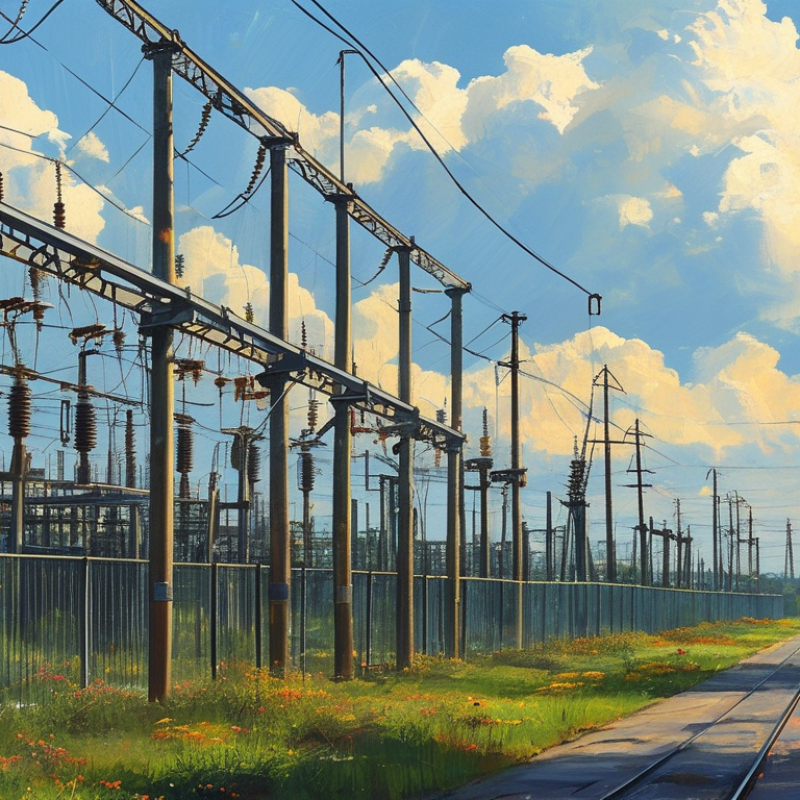
Three-phase power distribution systems are essential for modern electrical infrastructure. They provide a more efficient way to deliver electricity compared to single-phase systems. With three-phase systems, the power supply is balanced across three conductors. This balance leads to smoother operation for motors and other equipment. It also minimizes the risk of overloads.
Efficiency is a key advantage of three-phase systems. They can transmit more power using smaller conductors. This results in material savings and reduced installation costs. Additionally, three-phase motors are generally smaller and lighter. They also offer better torque characteristics, which can enhance performance in various applications.
However, three-phase systems are not without challenges. The complexity of installation can be a drawback. Proper balancing is crucial to prevent issues. Mismanagement can lead to performance problems or equipment failure. Understanding these potential pitfalls is important for effective system implementation.
Efficiency and Performance Improvements of 3 Phase Systems
Three-phase power distribution systems offer significant efficiency and performance improvements over single-phase systems. These systems ensure a balanced load, leading to smoother operation of motors and machinery. Consequently, equipment experiences less wear and tear, extending its lifespan. In industries where uptime is crucial, this reliability is invaluable.
When considering three-phase systems, remember that load balancing is key. An imbalanced system can lead to efficiency losses. Regular monitoring and adjustments can help maintain an optimal balance. Many organizations fail to prioritize this aspect, often leading to unexpected downtime.
Moreover, three-phase systems have better power factor correction capabilities. This means reduced energy losses during transmission. Businesses utilizing these systems often see a notable decrease in energy costs. However, proper installation and maintenance are crucial. Sometimes, companies overlook ongoing maintenance, which can diminish their energy savings. Regular audits of your power distribution can help identify necessary improvements.
Cost Benefits of Implementing 3 Phase Power Distribution
Three-phase power distribution systems offer significant cost benefits for businesses and industries. These systems are more efficient than single-phase systems. They reduce energy losses, leading to lower electricity bills. With balanced loads, three-phase systems allow for smoother operations. This can minimize the risk of equipment failure. Businesses save money on repairs and maintenance.
The installation costs of three-phase systems can be higher initially. However, the long-term savings typically outweigh these upfront expenses. These systems can handle more power with less conductor material. This means lower installation and material costs. They also improve voltage stability. As a result, companies can expect fewer power fluctuations.
Moreover, three-phase systems support larger motors and heavy equipment. This capability allows factories to increase productivity without needing additional capacity. While the transition may require investment, the benefits are substantial. Many businesses find risk mitigation and efficiency gains worth the effort. Embracing three-phase power systems often leads to a transformative experience.
Enhanced Load Balancing Capabilities in 3 Phase Systems
Three-phase power distribution systems offer significant advantages, particularly in load balancing. These systems can evenly distribute electrical loads across all three phases. This is crucial for maintaining stability and efficiency in electrical networks.
According to a report by the International Energy Agency, balanced loads can enhance system reliability by up to 30%. When loads are properly balanced, the risk of overheating and equipment failure decreases. This can lead to reduced maintenance costs and lower downtimes for businesses. Efficient load balancing also improves energy efficiency, as it minimizes losses associated with uneven distribution.
Moreover, the reliability of three-phase systems allows industries to operate at optimal capacity. According to a survey by the Electric Power Research Institute, 80% of industrial facilities using three-phase power report improved performance metrics. However, miscalculations in load distribution can still occur, leading to underperformance. It is essential to invest in load monitoring technologies to ensure continuous optimization. Regular audits of load balancing strategies can further enhance system performance. The potential for mistakes highlights the importance of ongoing training for facility managers.
Top 10 Benefits of 3 Phase Power Distribution Systems
Compatibility with Industrial Equipment and Automation
Three-phase power distribution systems play a critical role in industrial settings. Their compatibility with various industrial equipment is notable. Many machines, such as motors and transformers, are designed to operate on three-phase systems. This ensures they run more efficiently, reducing energy losses.
Automation technology greatly benefits from three-phase power. It provides the necessary power for complex systems and machinery used in manufacturing. The three-phase supply allows for smoother operation and more consistent power delivery. Such systems can effectively handle higher loads, which is essential for large factories. However, it is important to note that not all equipment is ready for this type of power. Retrofits might be needed, leading to additional costs.
Even with its advantages, three-phase systems come with challenges. Implementing these systems requires skilled professionals. Incorrect installation can lead to inefficiencies or safety problems. Regular maintenance is essential to ensure reliability. This can sometimes be overlooked in busy production environments. Being aware of these factors is crucial for maximizing the benefits of three-phase power distribution.
Top 10 Benefits of 3 Phase Power Distribution Systems
| Benefit | Description | Impact on Automation |
| Higher Efficiency | 3 phase systems can deliver more power with less waste, thus improving energy efficiency. | Increases the overall efficiency of industrial automation systems. |
| Reduced Equipment Size | Allows for smaller and lighter devices because of the higher power delivered. | Enables more compact and modular automation equipment. |
| Enhanced Stability | Improves voltage stability compared to single-phase systems. | Leads to fewer disruptions in automated processes. |
| Flexibility in Load Management | Can balance loads between phases effectively. | Facilitates better control of industrial automation loads. |
| Lower Maintenance Costs | 3 phase systems generally require less maintenance. | Reduces downtime in automated systems. |
| Better Power Quality | Provides improved power quality with less harmonic distortion. | Enhances the performance of sensitive industrial automation equipment. |
| Increased Safety | Three-phase systems help prevent overloads and short circuits. | Improves the safety of automated manufacturing processes. |
| Improved Start-Up Performance | Motors experience a more gradual start-up, reducing stress on components. | Enhances the reliability of starting automation equipment. |
| Capacity for Large Loads | Can handle higher loads, making them suitable for large industrial applications. | Supports heavy machinery in automated settings. |
| Scalability | Easily scalable to meet changing power demands. | Facilitates growth in automated operation capabilities. |