Top Brass Fittings for Global Buyers How to Choose the Best?
Brass fittings are essential components in various industries, from plumbing to manufacturing. According to a recent market analysis by ResearchAndMarkets, the global brass fittings market is projected to reach USD 6.5 billion by 2027. This growth indicates a steady demand for high-quality fittings. Yet, choosing the right brass fittings remains a complex decision for global buyers.
Expert John Smith, a renowned figure in the brass fittings industry, emphasizes, "Quality and reliability are paramount in selecting brass fittings." His insights highlight the need for buyers to rely on reputable suppliers. With various standards and specifications, many buyers face overwhelming choices. Issues such as corrosion resistance and compatibility with piping systems can significantly impact performance.
Despite the wealth of information available, many buyers struggle to make informed decisions. Factors like price versus quality often create confusion. Making the right choice could prevent costly repairs in the future. Understanding these nuances in brass fittings is crucial for successful procurement and application in any project.
Understanding Brass Fittings: Types and Applications
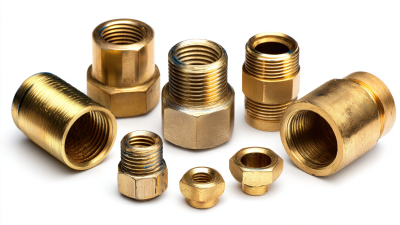
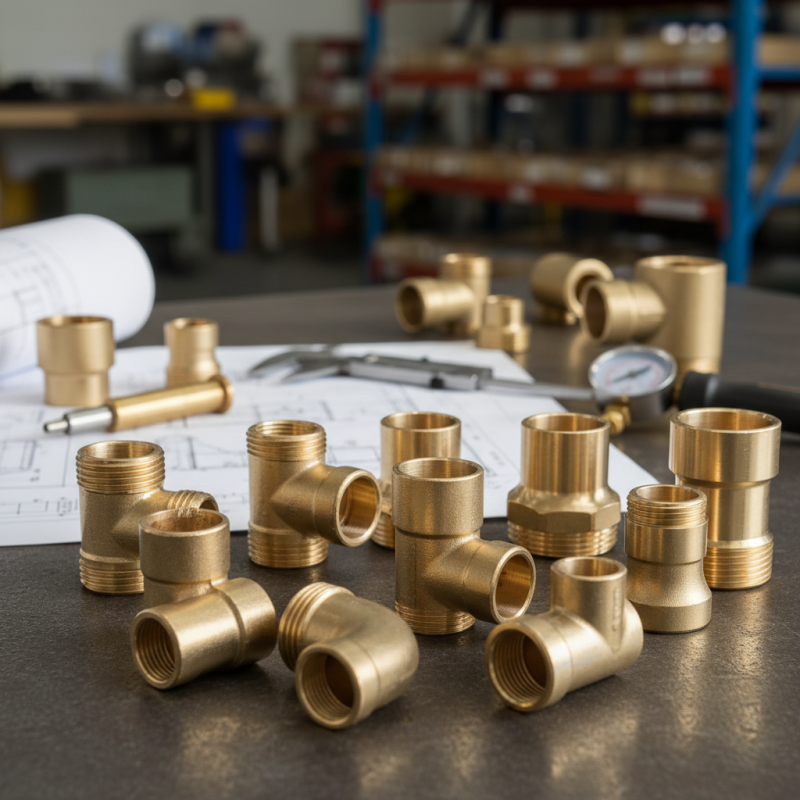
Brass fittings play a crucial role in various industries, known for their durability and resistance to corrosion. The variety of brass fittings available includes threaded, compression, and solder fittings, each serving unique applications. For instance, threaded fittings are widely used in plumbing and HVAC systems, providing secure connections. According to a recent market report, the global brass fittings market is expected to grow at a CAGR of 4.5% from 2021 to 2026. This growth is driven by an increasing demand in construction projects.
Different applications require specific types of brass fittings. Compression fittings are favored in gas and water lines due to their reliable seals. Solder fittings, while providing strong joints, may require more skill and time to install. When selecting fittings, consider factors such as pressure ratings and temperature tolerances. A small error in choosing the right fitting can lead to leaks or system failures. Reflecting on past decisions can improve future choices.
Understanding the nuances of brass fittings is essential. The aesthetic appeal of brass, combined with its functionality, makes it a top choice for both residential and commercial applications. However, not all brass is created equal. Variations in composition can affect performance. Always inquire about material certifications to ensure the quality and safety of the fittings chosen. Making an informed decision can prevent future complications.
Top Brass Fittings for Global Buyers: How to Choose the Best?
| Type of Brass Fitting |
Application |
Size Range (inches) |
Pressure Rating (PSI) |
Material Composition (%) |
| Brass Elbow |
Plumbing, HVAC |
1/2 - 4 |
600 |
Cu: 60%, Zn: 40% |
| Brass Tees |
Oil and Gas, Water Supply |
1/2 - 6 |
500 |
Cu: 65%, Zn: 35% |
| Brass Couplings |
General Piping |
3/8 - 4 |
400 |
Cu: 70%, Zn: 30% |
| Brass Nipple |
HVAC, Water Systems |
1/2 - 2 |
350 |
Cu: 67%, Zn: 33% |
| Brass Valve |
Control Valves in Piping |
1/4 - 3 |
800 |
Cu: 58%, Zn: 42% |
Key Factors to Consider When Choosing Brass Fittings
Choosing the right brass fittings requires consideration of several key factors. One primary aspect is the fitting's material composition. High-quality brass typically contains a higher percentage of copper. This improves durability and corrosion resistance. Be sure to check the specifications provided by suppliers.
Another important factor is the fitting size and type. Various applications may require specific sizes. Mismatched fittings can lead to leaks or failures. Understand the application requirements fully. Take the time to measure dimensions accurately, ensuring a proper fit. This step is critical in preventing future issues.
Don't overlook compatibility with existing systems. Materials and pressure ratings must align for optimal performance. Reviewing past installation experiences can provide valuable insights. Reflect on whether previous choices led to satisfactory outcomes. Sometimes, a careful evaluation can highlight areas for improvement.
Brass Fittings Selection Factors
This chart illustrates the key factors to consider when choosing brass fittings, along with their importance ratings on a scale of 1 to 10. Quality and corrosion resistance are rated as the most important factors, while size compatibility is relatively less critical.
Quality Standards and Certifications for Brass Fittings
When selecting brass fittings, understanding quality standards is crucial. Different regions have varying requirements, impacting performance and durability. ISO 9001 certification is widely recognized, ensuring manufacturers follow quality management practices. This can enhance product reliability for consumers globally.
Additionally, the American Society for Testing and Materials (ASTM) provides crucial specifications for brass fittings. For example, ASTM B16 outlines the standards for brass valves and fittings. Compliance with these standards can significantly affect product longevity and safety. A fitting that adheres to recognized standards is likely to perform better under pressure and temperature changes.
Moreover, buyers should be cautious about certifications. Some manufacturers may present misleading claims. Reports indicate that nearly 30% of products sold may not meet advertised specifications. This inconsistency can lead to significant failures in plumbing or gas systems. Understanding and verifying quality certifications is essential for making informed purchasing decisions in the global marketplace.
Comparative Analysis of Global Brass Fittings Suppliers
When choosing brass fittings, global buyers face many options. A comparative analysis of suppliers can help navigate this complexity. High-quality fittings often come from manufacturers with extensive experience. Look for those with proven track records. Suppliers should have a history of meeting international standards.
Consider the materials and manufacturing processes. Some suppliers use recycled materials, which may not offer the same reliability. Certification from recognized authorities often indicates better quality. However, it's essential to verify these claims independently. Some companies may lack transparency.
Pricing is another critical factor. Low prices can be tempting but may reflect inferior quality. Investigate the supplier's customer service and after-sales support. Fast response times and helpful service can signal a reliable partner. Take time to research and reflect on these elements before making a decision.
Maintenance and Care Tips for Brass Fittings
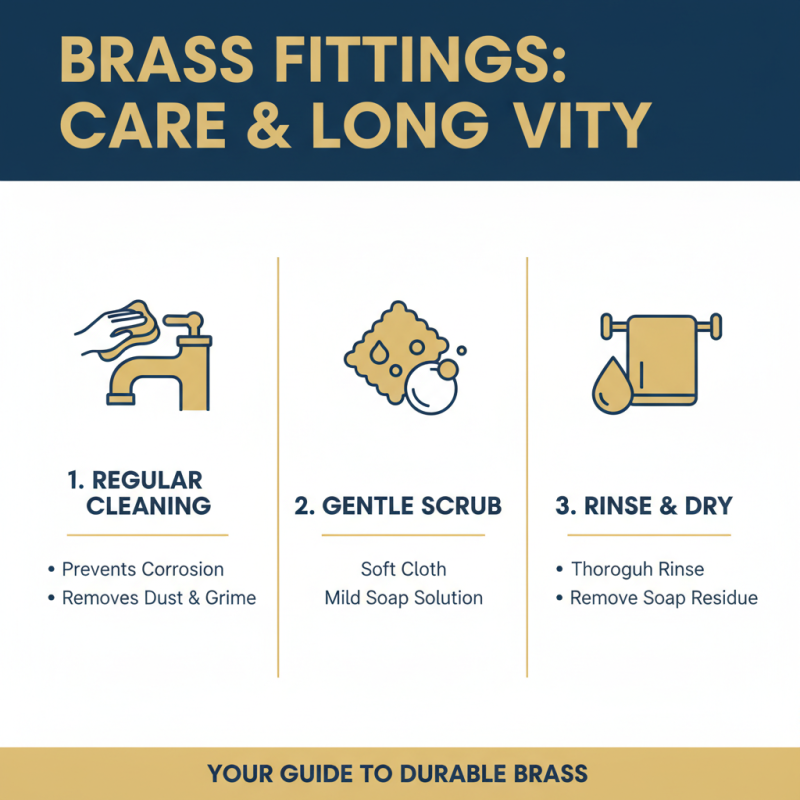
Brass fittings require careful maintenance to ensure their longevity and functionality. Regular cleaning is essential. Dust and grime can accumulate, leading to corrosion if left unattended. Gently scrub the fittings with a soft cloth and mild soap solution. Rinsing them well afterward is crucial to remove any soap residue.
Inspect your brass fittings periodically for any signs of wear or corrosion. Look for discoloration that may indicate damage. If you notice any issues, addressing them immediately can prevent further deterioration. You might consider applying a protective coating to shield the brass from moisture and air.
Remember, brass fittings can tarnish over time. While some prefer the aged look, others may want to retain the bright finish. Polishing using a brass cleaner can restore shine. However, frequent polishing could remove the protective layer. Balance your desire for aesthetics with the need for practicality.