
China Top Stainless Steel Hose Reel Manufacturers?
Choosing among China’s top stainless steel hose reel manufacturers requires more than comparing catalog prices. A reliable supplier should demonstrate practical experience, stable production, and clear control over material quality. This guide examines manufacturers through visible evidence, including stainless steel grades, welding consistency, hose compatibility, swivel performance, and corrosion resistance. Small details matter. A rough weld can weaken the frame. A poor swivel can restrict water flow.
Professional evaluation also considers factory capability, inspection procedures, customization support, and after-sales communication. Manufacturers with traceable raw materials and documented testing offer stronger confidence for industrial, agricultural, marine, and commercial applications. Buyers should review product drawings, pressure ratings, reel dimensions, and installation requirements before placing an order. Photographs help, but they cannot replace sample testing or a factory audit.
No supplier is perfect. Some manufacturers may offer excellent metalwork but limited international support. Others may provide fast customization while relying on inconsistent component suppliers. That weakness deserves attention. A trustworthy comparison should therefore distinguish verified performance from marketing language. It should also consider certifications, export experience, packaging quality, lead times, and responses to technical questions. By examining these factors carefully, buyers can identify a stainless steel hose reel manufacturer that fits their operating environment, budget, and long-term maintenance expectations. The strongest choice may not be the largest factory. It may be the supplier that communicates clearly, documents its claims, and improves when problems are discovered.
What Defines a High-Quality Stainless Steel Hose Reel Manufacturer in China
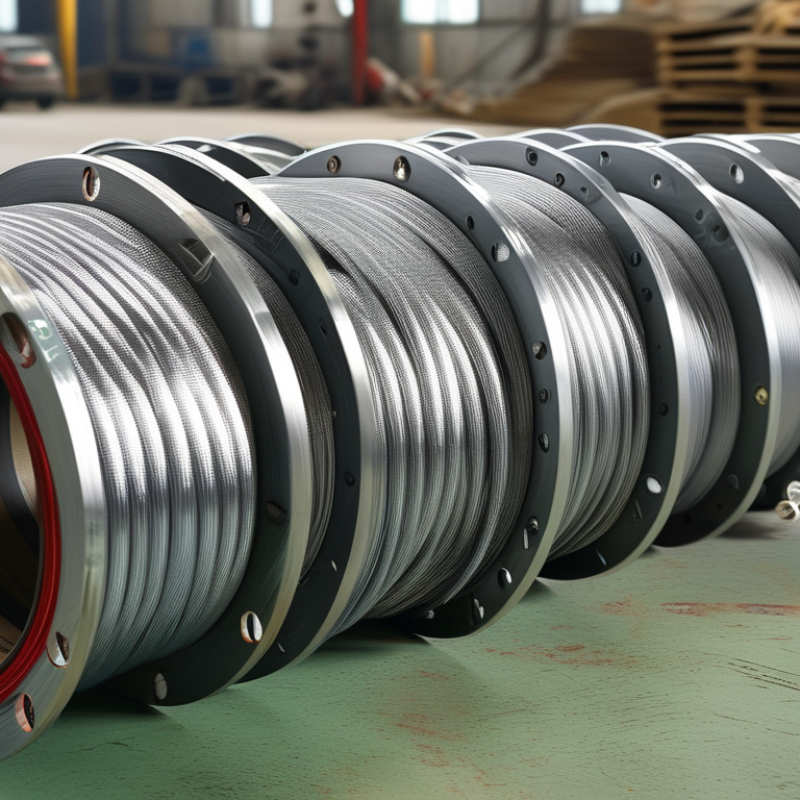
A high-quality stainless steel hose reel manufacturer delivers more than polished metal. The real test begins with material control. Ask whether the factory verifies 304 or 316 stainless steel through supplier records and random testing. Small details matter. Clean welds, even seams, and protected hose connections show disciplined production.
Practical experience should guide the design. A reliable manufacturer checks hose length, working pressure, mounting space, and operating temperature before recommending a reel. Their engineers should explain spring tension, swivel selection, and corrosion resistance in clear language. A factory sample should operate smoothly, without scraping, sudden recoil, or loose fittings. If possible, inspect a production line, not only a showroom model.
Quality also depends on repeatability. Look for incoming inspection, pressure testing, surface checks, and batch traceability. Export packaging deserves attention too; a scratched reel can become an expensive problem after ocean transport. Certifications may support credibility, but they cannot replace direct evidence. Factory audits, test reports, and responsive technical service are more useful.
No manufacturer gets every decision right. That is worth admitting. Some suppliers may offer attractive customization but lack stable quality control. Others may have strong engineering yet communicate poorly after shipment. A dependable partner accepts questions, records defects, and improves the next batch. That attitude often defines long-term manufacturing quality better than a low quotation.
Key Manufacturing Processes and Material Standards
China’s leading stainless steel hose reel manufacturers should be judged by process control, not catalog appearance. World Stainless reported 58.4 million tonnes of crude stainless steel production in 2023. This scale supports mature supply chains, but it does not guarantee consistent quality.
Production normally starts with laser cutting, CNC forming, and TIG welding of stainless components. Weld areas need smooth internal transitions, because rough edges can damage hoses during repeated rewinding. Manufacturers commonly specify ASTM A240 sheet and ASTM A269 tubing for suitable applications. ASTM A967 passivation helps remove free iron and improves corrosion resistance after fabrication. Surface finish matters. A bright exterior may hide poor weld cleaning.
Testing should follow documented procedures. Hydrostatic or pneumatic leak testing checks pressure retention, while torque and cycle tests examine the spring, swivel, drum, and locking mechanism. EN 10204 type 3.1 material certificates can verify chemical composition and mechanical properties. ISO 9001-based controls also help maintain traceability from coil to finished reel. Yet paperwork alone is insufficient. A reel may pass a short test and still fail after months of salt exposure or uneven loading.
For coastal or chemical-service installations, buyers should request corrosion-test evidence, weld inspection records, and clear pressure ratings. ASTM grades are not interchangeable. Material selection should match temperature, chloride exposure, hose compatibility, and cleaning chemicals. This point is often underestimated. Independent inspection remains sensible for critical orders, especially when drawings, tolerances, and test records do not align.
Leading Chinese Manufacturers and Their Product Specialties
China’s leading stainless steel hose reel manufacturers serve food processing, chemical handling, marine, and industrial cleaning applications. Their strongest advantage is material depth. The World Stainless Association reported about 58.4 million tonnes of global stainless steel production in 2023. China produced more than half of that volume, supporting broad access to stainless grades, tubing, springs, and fittings.
Manufacturers in coastal industrial clusters often specialize in 304 stainless steel reels for water, air, and general cleaning. Other suppliers focus on 316 or 316L models for saltwater, chlorides, and corrosive process areas. Some factories build compact manual reels for service vehicles. Larger producers develop spring-driven and motorized systems for workshops, production lines, and washdown stations. Custom hose lengths, swivel joints, wall brackets, and enclosed covers are common requests.
A reliable supplier should provide material certificates, pressure-test records, and traceable batch information. ISO 9001 certification helps, but it does not replace practical inspection. Check weld smoothness, drum alignment, spring recovery, and hose bend behavior. ASTM and ISO references can support material and test selection, yet the final design must match the working fluid and temperature.
The details matter.
In my view, manufacturer comparison remains imperfect. Catalog pressure ratings may not reflect repeated field use, especially near welds or swivels. Buyers should request sample testing, salt-spray evidence, and cycle-test results before approving bulk production.
How to Evaluate Suppliers, Certifications, and Production Capacity
Choosing among China’s top stainless steel hose reel manufacturers requires more than comparing prices. A credible supplier should explain its experience with 304 or 316 stainless steel, welding methods, hose compatibility, and pressure testing. Ask for production samples, inspection records, and photographs of the factory floor. Details matter.
Certifications deserve careful checking. Request a valid ISO 9001 certificate, then confirm the company name, factory address, certification scope, and expiry date. For stainless steel materials, ask for heat numbers and EN 10204 3.1 inspection documents when applicable. These records can connect the finished reel to its original steel batch. Verify certificates through the issuing organization, not only through a sales representative.
Production capacity should be measured with evidence. Review monthly output, machine numbers, staffing, working shifts, and current order commitments. A supplier may claim high capacity while relying heavily on subcontractors. That can affect welding consistency and delivery control. Ask how the factory manages peak demand, spare parts, final inspection, and corrective actions. Request a pilot order before approving large volumes. Small trials reveal packaging weaknesses, uneven polishing, and unclear communication.
Do not ignore basic questions. Who controls the drawings? How are design changes recorded? What happens when a pressure test fails? A supplier that answers openly is easier to assess. My own evaluation would still remain cautious, because paperwork cannot replace a physical audit or independent inspection. Supplier performance can change after one successful order.
Ordering, Customization, Pricing, and Export Considerations
China’s stainless steel hose reel sector serves industrial, agricultural, and commercial buyers worldwide. The International Stainless Steel Forum reported approximately 58.4 million metric tons of stainless crude steel production in 2023. This scale supports flexible sourcing, but factory capability still varies considerably.
Start with a clear technical brief. Specify stainless grade, hose length, working pressure, inlet size, mounting method, finish, and operating temperature. Request drawings, material certificates, inspection photos, and a production sample. A serious manufacturer should explain tolerances and testing methods, not only quote a low unit price. Customization may involve new tooling, revised cartons, or longer lead times. Small orders can become expensive.
Pricing depends on steel thickness, grade, reel mechanism, hose quality, surface treatment, packaging, and order volume. Ask for separate costs for tooling, samples, freight, and replacement parts. Compare quotations under the same Incoterm. Otherwise, the cheapest offer may simply exclude important charges. Nickel price movements also affect stainless pricing, so quotations need a validity period. I would not rely on a fixed annual price.
Export checks require careful classification, commercial invoices, packing lists, certificates, and destination-specific documentation. UN Comtrade data can help study metal-product trade, but its broad HS categories do not isolate hose reels accurately. That limitation matters. Confirm the proposed HS code with a qualified customs professional. Use moisture-resistant packaging, corner protection, and pallet dimensions suited to container loading. Pre-shipment inspection remains worthwhile, especially for customized orders.
Related Posts
-
5 Best Strategies for Choosing the Right Hose Reel for Your Needs
-
Maximize Efficiency: The Ultimate Guide to Choosing the Right Heavy Duty Hose Reel for Your Needs
-
7 Key Advantages of Using a High Pressure Hose Reel in Your Operations
-

2026 Best Hose Reel Options for Easy and Efficient Gardening?
-
2026 Best Electric Hose Reel for Effortless Watering Solutions?
-
What to Know About High Pressure Hose Reel Options in 2026?