Top 10 LED Screen Rental Companies Worldwide
Choosing a display partner can shape an event long before the first guest arrives. A crisp image, stable signal, and careful installation help a product launch feel polished. A dim corner or visible cable run can distract from the message. Small details matter.
This guide, “Top 10 LED Screen Rental Companies Worldwide,” offers a practical starting point for planners comparing providers across regions and event types. The companies are considered through useful factors such as screen inventory, technical support, setup experience, and the ability to adapt to venue constraints. These details can vary by location and project, so readers should confirm availability, specifications, and service terms directly with each provider. A company’s reputation alone does not guarantee a perfect fit.
Led Screen Rental needs also differ. A bright outdoor festival may require weather-ready equipment and high screen brightness, while a conference room may benefit from a finer pixel pitch for close viewing. Ask about backup plans, power needs, delivery timing, and who monitors the display during the event. Get clear answers.
No list can capture every local strength or past project outcome. Some comparisons may feel imperfect, because rental services change with inventory, crew availability, and venue conditions. That is worth remembering. Use the rankings as a research aid, then compare proposals against your audience, budget, schedule, and technical requirements. A short site visit or detailed call can reveal more than a glossy portfolio.
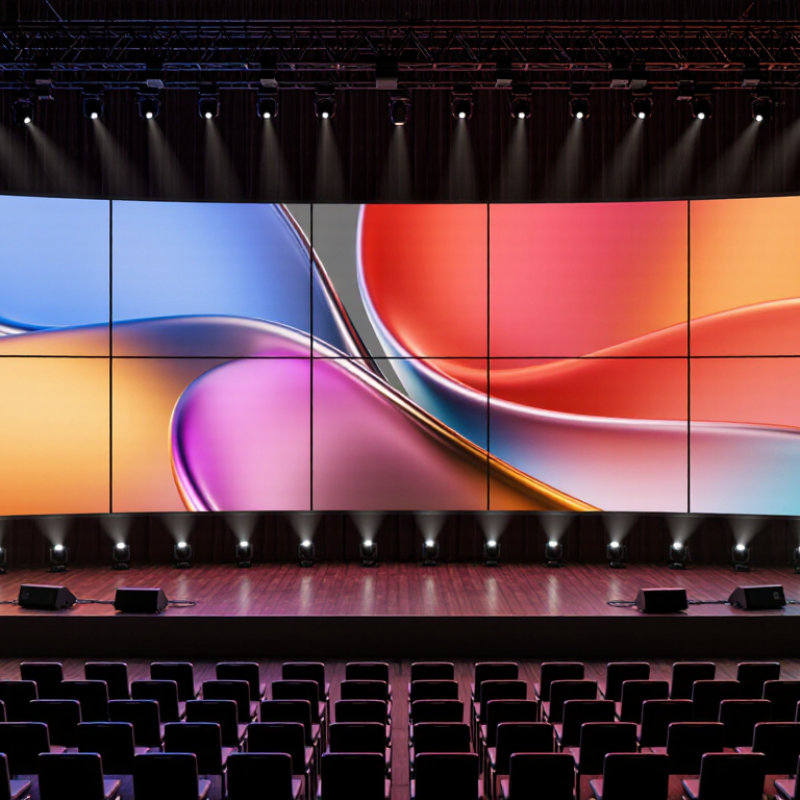
Definition and Scope of LED Screen Rental Companies
An LED screen rental company provides temporary display equipment and related services for events, exhibitions, conferences, and live productions. Unlike a permanent installation contractor, it typically rents screens for a defined period and helps prepare them for a specific venue. Its work may cover panel selection, delivery, assembly, signal testing, operation, and dismantling. The exact package varies. The boundary is fuzzy.
Rental services can include indoor or outdoor LED panels, support structures, processors, cables, and trained technicians. A supplier may recommend screen size and pixel pitch based on viewing distance, ambient light, and content. For example, a bright outdoor stage and a small meeting room have different technical needs. Clear planning matters. A site visit can reveal access limits, power locations, rigging needs, and sightline problems that a floor plan misses.
The term “worldwide” covers companies with different service footprints, inventory, and local support arrangements. Some handle equipment and crew directly; others coordinate local partners. Buyers should check what the quote includes, such as setup hours, backup panels, transport, and on-site troubleshooting. A polished proposal is not proof that every detail is settled. Even experienced teams can overlook a cable route or a viewing angle, so practical checks remain worthwhile.
Top 10 LED Screen Rental Companies Worldwide — Definition and Scope
LED screen rental companies provide temporary display equipment and related services for events, exhibitions, and productions. Pixel pitch is one technical factor used when specifying a rental screen; the ranges below are typical planning examples, not company rankings or fixed industry standards.
Pixel pitch is the distance between adjacent LED pixels, measured in millimeters. Smaller pitches are generally suited to closer viewing; the appropriate choice depends on viewing distance, brightness, resolution, and venue conditions.
Criteria for Selecting the Top Worldwide Providers
Selecting worldwide LED screen rental providers requires more than comparing equipment lists. Ask for project references from events with similar audiences, venues, and viewing distances. Request close-up photos or video, plus details about screen size, pixel pitch, and brightness. A display that looks sharp in a warehouse may appear washed out under midday sun. Test it in realistic lighting.
Strong providers explain their process clearly. Ask who handles transport, installation, signal testing, and on-site support across different time zones. Confirm that the crew can provide spare panels, processors, cables, and power supplies. Small details matter. Review equipment inspection records and ask how faults are diagnosed during an event. Clear answers are more useful than broad promises.
Compare quotations line by line, including rigging, labor, shipping, and backup equipment. Check that the provider understands venue access limits, setup windows, and weather exposure. Ask for a site plan and a written contingency process. No checklist removes every risk; venue drawings can be outdated, and schedules change. That part deserves honest discussion. A dependable supplier will explain what is confirmed, what remains uncertain, and who makes decisions if conditions shift. While global reach can be valuable, local technical support may matter more when a screen goes dark minutes before doors open.
Top 10 LED Screen Rental Companies Worldwide
Top 10 LED Screen Rental Companies Worldwide
Comparing leading LED screen rental companies worldwide takes more than counting panels. A capable provider should document pixel pitch, brightness, refresh rate, and viewing distance for each project. It should also explain how technicians test panels before dispatch and handle spare modules on site. Small details matter. A failed connection during a live event can outweigh an impressive equipment list.
AVIXA’s 2024 Industry Outlook and Trends Analysis estimated global professional audiovisual revenue at about US$325 billion in 2024, with a projection of US$402 billion by 2029. This covers the wider AV sector, not LED rentals alone, so it is useful context rather than a rental-market ranking. For a worldwide comparison, assess regional inventory, transport planning, installation expertise, and backup capacity. Check whether quoted specifications match the actual viewing conditions; glossy sample footage does not prove performance in daylight.
Tips: Ask for a recent project reference with a similar screen size and venue. Request a written plan for spare panels, signal distribution, and on-site support. Compare total delivered cost, not just the daily rental rate. And leave room for judgment: published rankings rarely capture how well a crew responds when a panel looks uneven during setup.
Top 10 LED Screen Rental Companies Worldwide
Global LED rental-sector reference points — company names and brand-specific data are intentionally omitted.
| No. | Comparison Dimension | Common Industry Reference | Practical Context |
| 1 | Indoor rental pixel pitch | Common options include approximately 1.9–2.9 mm. | Finer pitches are generally selected when viewers are relatively close to the display. |
| 2 | Outdoor rental pixel pitch | Common options include approximately 2.9–4.8 mm. | The choice depends on viewing distance, screen size, content, and venue conditions. |
| 3 | Indoor brightness | Many indoor rental displays are specified around 800–1,500 nits. | Appropriate brightness helps maintain visibility without making indoor content uncomfortably bright. |
| 4 | Outdoor brightness | Outdoor rental displays commonly use specifications in the 4,000–6,000-nit range. | Higher brightness can help the image remain visible in daylight; actual needs vary with sunlight and installation. |
| 5 | Refresh rate | Rental LED products commonly list refresh rates such as 1,920 Hz or 3,840 Hz. | Higher refresh rates can help reduce visible scan artifacts in camera footage, depending on camera settings and system configuration. |
| 6 | Cabinet dimensions | 500 × 500 mm and 500 × 1,000 mm cabinets are widely used formats. | Modular cabinets allow crews to build screens in different widths, heights, and aspect ratios. |
| 7 | Weather protection | Outdoor rental products may carry IP65-rated front protection; rear protection can differ. | Confirm the rating for both sides and follow the manufacturer’s limits for rain, dust, and operating conditions. |
| 8 | Viewing-distance guideline | A rough starting point is a minimum viewing distance in metres similar to the pixel pitch in millimetres. | For example, a 3 mm pitch may suit viewing from around 3 m or farther, but content and audience conditions matter. |
| 9 | Power planning | Rental systems use venue-appropriate AC power distribution; voltage and load requirements vary by equipment. | Event plans should account for peak load, cable runs, circuit capacity, and local electrical requirements. |
| 10 | Video-system compatibility | Event workflows commonly use video processors and signal connections such as HDMI, DisplayPort, or SDI. | Input formats, resolution, frame rate, and processing equipment should be confirmed before setup. |
These are general industry reference ranges and examples, not verified specifications or rankings for individual rental companies. Exact values vary by product, configuration, venue, and event requirements.
Services, Markets, and Technologies Offered by Leading Companies
Leading LED screen rental companies support concerts, exhibitions, sports venues, conferences, and temporary outdoor events. Their services often include screen design, transport, rigging, control systems, on-site technicians, and dismantling. A rental team may recommend fine-pitch displays for close viewing, while large outdoor screens need stronger brightness and weather-resistant cabinets.
Setup matters. Power access, viewing distance, and mounting points can change the equipment plan.
Their markets range from touring productions to corporate events and public installations. Technologies vary too: indoor panels prioritize detail, outdoor systems handle sunlight, and curved or transparent displays suit specific creative designs.
Some providers offer camera integration, live content support, and backup components, which can reduce disruption during a show.
Weather changes everything.
Buyers should compare pixel pitch, brightness, refresh rate, service coverage, and delivery terms—not just screen size. Yet comparisons are imperfect: quoted brightness levels may use different measurement conditions, and package descriptions do not always clarify technician hours.
Ask for a site plan and a written equipment list. Details matter.
A rental proposal can still miss practical constraints, especially when venue access or installation time is limited.
How to Compare Providers for Different Event Requirements
Compare LED screen rental providers against the event, not just the quoted screen size. Start with viewing distance, audience capacity, venue lighting, and screen shape. An indoor keynote may need fine pixel pitch for readable slides, while an outdoor stage needs higher brightness and weather protection. Small details matter. Ask for the pixel pitch, refresh rate, processing setup, and backup plan in writing. Then check what the quote includes: delivery, rigging, on-site technicians, rehearsals, and strike. Two low prices may cover very different services.
AVIXA’s 2024 Industry Outlook and Trends Analysis projects global professional audiovisual revenue will reach $325 billion by 2029. This is broad market context, not a rental-price benchmark. UFI’s Global Exhibition Barometer reported that exhibition-industry revenues in 2023 reached about 98% of 2019 levels. These figures suggest a busy, evolving event market, but they cannot tell you whether one provider fits your venue.
Use the same event brief when requesting quotes. Include stage dimensions, operating hours, load-in access, and content type. Compare equipment lists and staffing plans line by line. Ask who handles signal checks if a source fails during the show. A scorecard helps, but it can miss practical friction: a narrow loading dock or a late rehearsal changes the day. I would leave room for those uncertainties rather than trust a polished proposal alone.