Top Multi Parameter Water Quality Analyzers at Canton Fair 2026?
As we approach the Canton Fair 2026, the focus on innovative technologies is more prominent than ever. multi parameter water quality analyzers stand out as vital tools in today's environmental monitoring landscape. According to recent industry reports, such devices are essential for assessing water quality based on multiple parameters including pH, turbidity, and dissolved oxygen levels. The increasing need for accurate water analysis in various sectors, from agriculture to municipal water supply, highlights the importance of these analyzers.
These devices are designed to streamline and enhance the water testing process. The introduction of AI in the Canton Fair facilitates a more efficient sourcing experience. Buyers can quickly find suppliers of multi parameter water quality analyzers that meet specific certifications like ISO and CE. However, navigating the vast array of options can be daunting, as not all devices meet the highest standards. This calls for careful consideration and reflection on the purchasing choices.
With the venue spanning 1.55 million square meters, the advancements in AI-driven search capabilities will assist in locating exhibitors of interest. While the technology is impressive, it is essential to critically evaluate the features and reliability of each analyzer. As the demand for clean water continues to rise, so does the responsibility to select tools that truly meet industry needs.
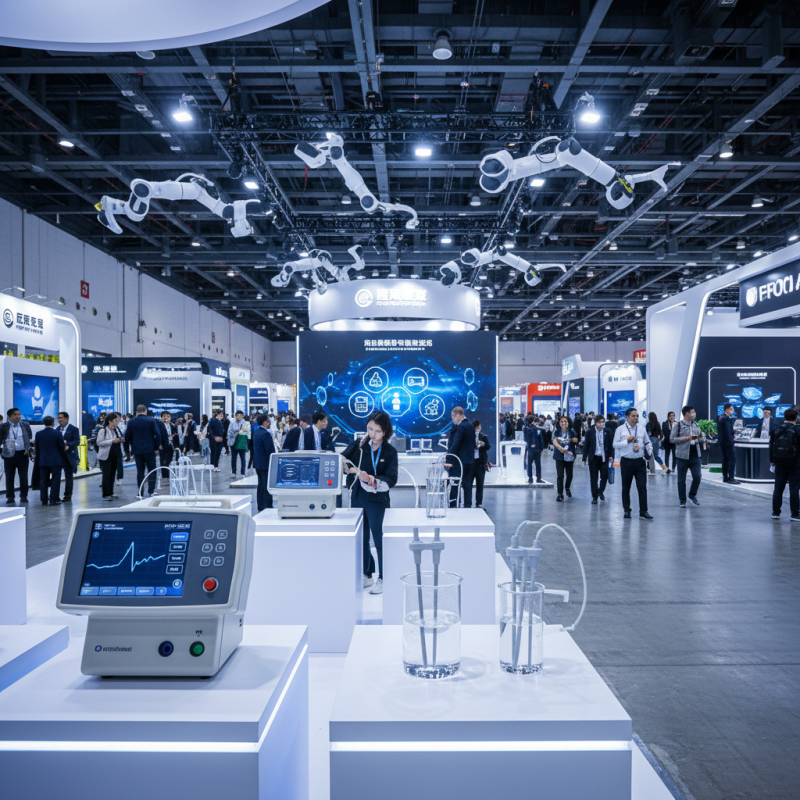
Overview of Multi-Parameter Water Quality Analyzers at Canton Fair 2026
As we approach the Canton Fair 2026, multi-parameter water quality analyzers stand out. These devices measure various parameters such as pH, turbidity, and dissolved oxygen. Such analysis is crucial for industries that focus on water safety and environmental protection. The fair will showcase the latest advancements in this field.
Many analyzers are becoming more compact and user-friendly. They often feature digital displays and easy calibration processes. However, some models may be challenging to use without prior experience. Workshops addressing these difficulties could enhance user knowledge. Participants might face questions about which devices suit specific applications best.
Innovations in sensors and data accuracy are noteworthy. These advancements can improve real-time monitoring, but they may also lead to over-reliance on technology. Users must ensure they interpret the data correctly. Training sessions on data analysis are essential for maximizing device use. Ultimately, learning from past experiences can make a difference in achieving water quality goals at the fair.
Key Features and Technologies of Top Analyzers Exhibited
The Canton Fair 2026 showcases cutting-edge multi-parameter water quality analyzers. These devices measure various water parameters with precision. Some key features include versatility in detecting pH, turbidity, and dissolved oxygen levels. Each analyzer comes with user-friendly interfaces, making data interpretation simpler.
Many analyzers use advanced technologies. Real-time data transmission enables instant access to results. Some models even connect with mobile devices, enhancing user convenience. However, the complexity of certain features can be overwhelming. Users must invest time to understand all functionalities thoroughly.
Tips: Always read the user manual. Don’t skip setup instructions. It’s essential for accurate readings. Additionally, consider regular calibration. This practice ensures consistent results over time. Mistakes can lead to false data, affecting water quality assessments.
Leading Brands and Their Innovations in Water Quality Analysis
The water quality analysis market is evolving. At the Canton Fair 2026, multi-parameter analyzers will be in the spotlight. Innovations are expected to focus on real-time monitoring. These tools provide insights into water ecosystems, helping industries make data-driven choices.
Recent reports indicate that nearly 70% of water quality policymakers rely on accurate data. However, many existing analyzers fall short. They often lack user-friendly interfaces or real-time capabilities. This makes it challenging for operators to respond quickly to changes. As water quality detections become more crucial, improvements are necessary.
Industry leaders are pushing boundaries. Some analyzers now feature AI integration for predictive analytics. This fosters proactive management of water resources. But, not all innovations meet user expectations. A disconnect exists between technology and user capability. Continuous feedback loops are essential to bridge this gap. Addressing these challenges will drive the future of water quality analysis.
Comparative Analysis of Performance and Accuracy of Selected Models
As the need for water quality assessment grows, multi-parameter analyzers become crucial. These devices measure various parameters, like pH, turbidity, and dissolved oxygen, offering a comprehensive view of water quality. According to industry reports, a strong analyzer can provide accuracy levels within 0.01 pH units and is essential in environmental monitoring.
During the Canton Fair 2026, experts observed notable variations in performance among selected models. Some devices excelled in speed, delivering results within minutes. Others, however, struggled with calibration, resulting in inconsistent readings. A recent analysis highlighted that models with advanced sensors demonstrated a 15% higher accuracy rate compared to standard devices. However, factors like temperature fluctuations can still impact results, making reliable operation a challenge.
Additionally, ease of use plays a significant role. Some analyzers presented complicated interfaces that hinder quick deployment. User reviews often pointed to difficulties in understanding the software. This can lead to errors and poor data interpretation. Thus, while performance may vary, a balance between accuracy, user-friendliness, and reliability remains crucial for effective water quality analysis.
Performance Comparison of Multi-Parameter Water Quality Analyzers
Future Trends in Water Quality Monitoring Technologies at the Fair
The Canton Fair in 2026 is set to showcase innovative water quality monitoring technologies. Attendees can expect to see cutting-edge analyzers capable of measuring multiple parameters simultaneously. These devices will feature real-time data collection, offering immediate insights into water quality. Such advancements support environmental sustainability and compliance with regulatory standards.
Emerging trends indicate a shift towards integration and automation. Many analyzers now incorporate artificial intelligence for data analysis and predictive modeling. This trend can lead to more effective monitoring systems. However, questions arise about data privacy and reliability. The growing complexity of these technologies may introduce challenges in operation and maintenance.
The fair will also highlight portable analyzers. These tools allow for on-site testing, enhancing convenience for users. However, their accuracy can vary, requiring thorough validation. As the industry evolves, collaboration between manufacturers and users becomes crucial. This partnership can pave the way for more robust and trustworthy solutions in water quality management.