Top 10 Stainless Steel Ball Valve Manufacturers Worldwide
A stainless steel ball valve may look simple: a polished body, a quarter-turn handle, and a spherical closure with a precisely machined bore. Its reliability depends on details that are easy to miss. Steel grade, seat material, pressure rating, sealing design, and manufacturing tolerances all affect performance. So does the fluid itself. A valve selected for clean water may not suit a corrosive process or repeated thermal cycling.
Materials scientist William D. Callister’s teaching offers a useful lens: material properties depend on structure and processing. This is a paraphrase of his materials-science principle, not a direct quotation. Applied to valve manufacturing, it reminds buyers to look beyond a product photograph or a broad “stainless” label. The alloy specification and documented test data matter. So does consistency between a sample valve and the production units.
This guide examines ten stainless steel ball valve manufacturers worldwide, focusing on product range, technical information, quality systems, and application support. These factors help create a practical comparison, but they do not guarantee that one supplier suits every project. A compact valve with a firm handle and clean thread finish can still be the wrong choice for a demanding service. That is worth admitting. Company information and product specifications can also change, so readers should verify current details directly with manufacturers before making purchasing decisions.
Understanding Stainless Steel Ball Valves and Their Applications
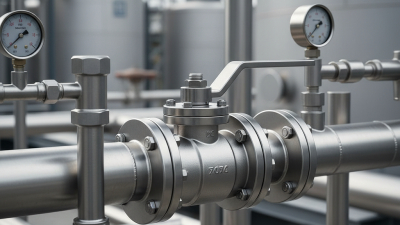
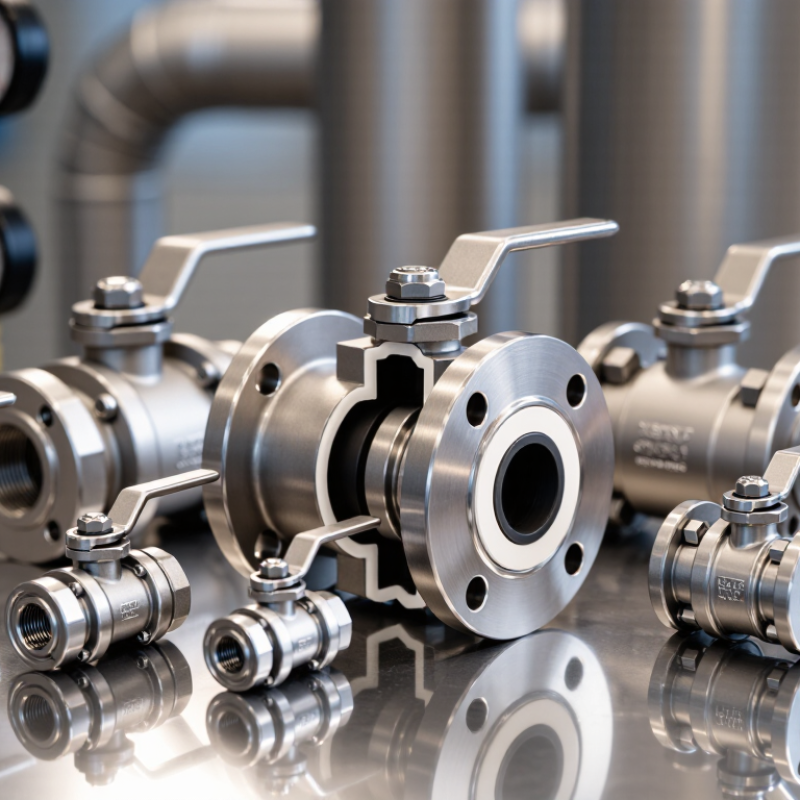
Stainless steel ball valves control flow with a quarter-turn handle. Inside the body, a drilled sphere aligns with the pipe when open and rotates to block flow when closed. This quick action suits water treatment, food processing, chemical service, and utility lines. Stainless steel resists corrosion, but performance depends on the grade, fluid, temperature, and seal material. Chloride-rich water, for example, can challenge some grades. Material choice matters.
Grand View Research estimated the global industrial valves market at USD 78.4 billion in 2023, with projected annual growth of 4.3% from 2024 to 2030. This figure covers industrial valves broadly, not stainless steel ball valves alone. It signals demand across industries, but does not prove that one valve design fits every process. A tidy specification sheet cannot replace checking pressure, temperature, and media compatibility. That is easy to overlook.
Tips: Confirm the valve’s pressure rating and wetted materials against actual operating conditions. Ask whether the seat suits repeated cycling and the process fluid. For critical lines, check applicable design standards, such as ISO 17292, and verify the supplier’s documentation. Even then, installation details can matter more than expected.
Top 10 Stainless Steel Ball Valve Manufacturers Worldwide - Understanding Stainless Steel Ball Valves and Their Applications
| No. |
Valve Type or Configuration |
Typical Application |
Key Selection Consideration |
| 1 |
Two-way, full-port ball valve |
On/off isolation in utility and process piping |
The bore is close to the connecting pipe’s inside diameter, helping reduce flow restriction. Confirm the pressure rating and seat material for the service. |
| 2 |
Two-way, reduced-port ball valve |
General isolation where a compact valve or lower initial cost is preferred |
Its smaller flow passage can create more pressure loss than a comparable full-port design. |
| 3 |
Three-way, L-port or T-port ball valve |
Selecting between lines or diverting flow; some port designs can also mix flows |
Port arrangement determines the available flow paths. Check the valve’s flow diagram and operating positions before specifying it. |
| 4 |
Floating-ball design |
Common shutoff duties across many small- and medium-sized process lines |
Line pressure moves the ball against the downstream seat to help create a seal. Operating torque and allowable pressure depend on the design and size. |
| 5 |
Trunnion-mounted ball design |
Larger-bore or higher-pressure pipeline and process services |
The ball is supported by trunnions, which can reduce seat loading and operating torque. Verify the specific pressure, size, and seat design. |
| 6 |
Three-piece body |
Process lines where access for inspection or component replacement is useful |
Many designs allow the center section to be serviced without removing the end connections from the line; confirm the maintenance procedure for the selected model. |
| 7 |
Top-entry body |
Installations where in-line access to internal components is desirable |
The design provides access through the top of the valve body, but actual maintenance requirements vary by construction and installation. |
| 8 |
Threaded-end connection |
Smaller-bore piping and equipment connections |
Match the thread type and size to the piping system. Threaded joints require suitable sealing practices and may be less convenient to remove than unions or flanges. |
| 9 |
Flanged-end connection |
Industrial piping where bolted connections and valve removal are required |
Check flange standard, facing, pressure class, gasket compatibility, and alignment with the adjoining pipework. |
| 10 |
Welded-end connection |
Permanent piping installations where a welded joint is specified |
Welding can make later removal more difficult. Follow the valve maker’s welding instructions and protect seats and seals from heat. |
Note: These are general design and application references, not a manufacturer ranking. Stainless-steel grade, pressure and temperature limits, seat materials, and media compatibility must be verified for each specific valve and service.
How the Top Manufacturers Are Selected and Compared
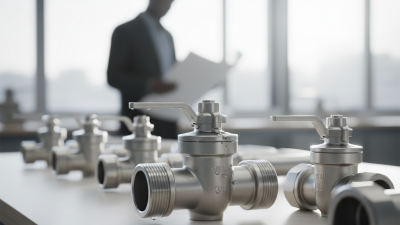
Selecting leading stainless steel ball valve manufacturers requires more than comparing catalog prices. A useful review examines material traceability, manufacturing controls, and test evidence. Check whether stated stainless grades match material certificates and purchase records. Ask how each valve is pressure-tested and whether the criteria suit its intended service. Look closely at seat materials, stem design, and operating temperature limits. Small details matter. A polished body alone cannot prove reliable sealing. Buyers can also review machining tolerances, inspection records, and replacement-part availability.
For a fair comparison, apply the same criteria to every supplier. Consider documented quality procedures, production capacity, delivery consistency, technical support, and clear product data. Where possible, examine sample reports or inspect a valve’s finish, movement, and markings. Request evidence rather than relying on broad claims. A weighted scorecard can help, but the weights should reflect actual operating conditions. A valve for frequent cycling may need different priorities from one used rarely. Rankings also have limits: public information can be incomplete, and factory performance may vary between production runs. That uncertainty deserves attention. A careful comparison records both verified strengths and unanswered questions.
Top Stainless Steel Ball Valve Manufacturers Worldwide
Top stainless steel ball valve manufacturers worldwide serve demanding industries, from water treatment to food processing and energy. Their products may look similar, but material quality and production controls can differ. Buyers should check whether wetted parts use a specified stainless steel grade, such as 316, and whether that grade suits the fluid and operating environment. Corrosion resistance is not automatic. Chlorides, temperature, and cleaning chemicals can change performance.
Reliable manufacturers document pressure tests, material traceability, and dimensional checks. Ask how each valve is tested, and request records linked to the supplied batch. Details matter. A smooth handle does not prove dependable sealing. Seat materials, ball finish, stem design, and machining tolerances all affect operation. Experienced suppliers can explain these choices in practical terms, rather than relying on broad claims.
Manufacturing capacity also varies across regions and facilities. Some producers specialize in custom dimensions or automated production; others focus on standard valves and shorter lead times. Compare sample documentation, delivery consistency, and after-sales technical support. Even experienced buyers can overlook installation conditions, especially when pressure or temperature changes sharply. That deserves a second look. A careful evaluation of specifications and evidence offers a more reliable basis for choosing a manufacturer than a ranking alone.
Regional Expertise and Manufacturing Strengths
Regional expertise shapes how stainless steel ball valves are designed, tested, and delivered.
North American manufacturers often emphasize application support and documented quality processes. European producers may bring deep experience with precision machining and demanding industrial specifications. Across Asian manufacturing hubs, large production capacity and established component supply networks can support varied order volumes. These are broad patterns, not guarantees. Factory-level capability matters more than geography alone.
Manufacturing strength shows in details buyers can verify.
Examine material certificates, heat numbers, pressure-test records, and machining tolerances. Ask how each plant controls stainless steel grades and prevents mix-ups during production. A polished exterior is not proof of reliable internal fit. Request sample inspection data. Check whether lead times include testing and final documentation, not just assembly. Regional strengths can overlap, and supplier claims sometimes leave gaps.
Tips: Match the valve’s pressure, temperature, and media requirements to the actual service conditions. Review traceability and test records before approving a supplier. If answers seem vague, ask for a specific example from a comparable application. It may take another round of questions. That is often worthwhile.
Choosing a Manufacturer for Your Operating Requirements
Selecting a stainless steel ball valve manufacturer starts with the operating envelope, not a catalogue ranking. Define the fluid, concentration, temperature, pressure, flow rate, and switching frequency. A valve handling clean water may fail quickly in chloride-rich service. Alloy names alone do not settle compatibility; seat material, stem design, and crevice exposure matter too. Small details matter. Ask manufacturers for pressure-temperature ratings, leakage-test records, material certificates, and evidence of production testing. Check whether quoted values apply to the exact size and configuration, rather than a similar model.
Reliability has a measurable cost. NACE International’s 2016 IMPACT study estimated corrosion costs at US$2.5 trillion annually, or 3.4% of global GDP, and reported potential savings of 15–35% through corrosion-control practices. That is a reason to evaluate material selection and inspection support, not simply buy the highest alloy. The International Stainless Steel Forum reported 58.4 million tonnes of stainless steel production worldwide in 2023. Broad availability does not guarantee consistent valve quality. Compare traceability, test procedures, spare-part availability, and response times against your maintenance plan. One uncomfortable point: extra safety margin can still miss the actual failure mode. Ask how the manufacturer validates performance under your real operating conditions.
Stainless Steel Casting Grades: Midpoints of ASTM A351 Composition Ranges
A comparison of specified chromium, nickel, and molybdenum content for CF8 and CF8M stainless steel castings, commonly used in valve bodies. Values shown are the midpoints of ASTM A351 composition ranges, not guaranteed values for an individual casting.
CF8M has a specified molybdenum range, which can improve resistance to chloride-related pitting. Confirm material suitability against the fluid, temperature, pressure, and applicable valve specifications.