Top 10 Steel Blind Rivets for Your Next Project?
In the fast-paced world of manufacturing and construction, the choice of joining materials is crucial. Steel Blind Rivets stand out for their strength and versatility. According to industry reports, they hold over 60% of the market for blind fastening solutions. This is due to their ability to join different materials efficiently. Their design allows for easy installation in various applications, making them a preferred choice among professionals.
Nevertheless, the selection process can be daunting. Not every steel blind rivet is suitable for all projects. Considering factors like the material thickness, joint styles, and environmental conditions is essential. Missteps in choosing can lead to structural weaknesses. Each project demands a tailored approach to ensure sustainability and reliability.
Additionally, ongoing advancements in rivet technology influence market trends. New products continue to emerge, making research indispensable. Understanding the technical specifications and performance ratings of steel blind rivets can profoundly impact project outcomes. The right rivet not only strengthens bonds but also enhances overall efficiency. It's vital to stay informed and make choices based on reliable data and expert assessments.
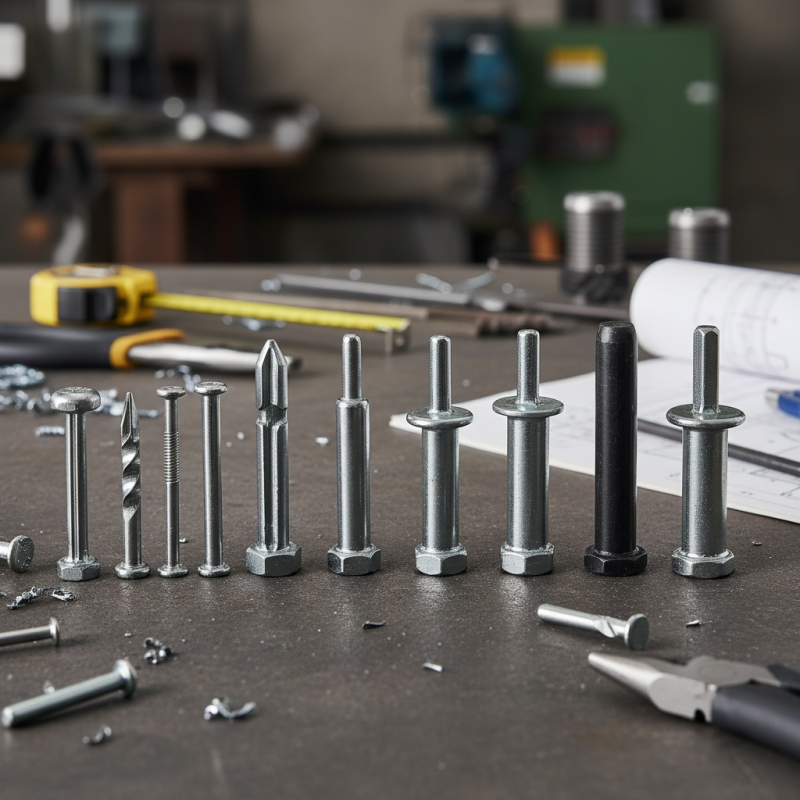
Key Characteristics of Steel Blind Rivets for Projects
When choosing steel blind rivets for your project, understanding their key characteristics is essential. Steel blind rivets are designed for durability and strength. Their robust structure makes them suitable for various applications, from construction to automotive industries. The material offers excellent resistance to corrosion, enhancing longevity. This makes them a reliable choice when you need a strong, lasting bond.
Riveting is generally straightforward, but factors like material thickness and joint types can complicate selection. A mismatch here can lead to unexpected failures. It's critical to assess your project's specific needs. For instance, some rivets may not perform well under extreme conditions. Testing different rivet types can reveal which best suits your unique environment.
Moreover, consider the installation process. Some steel blind rivets require special tools for optimal performance. This can add complexity to your project. Not all options are user-friendly, so familiarizing yourself with the installation methods is vital. Careful planning can save time and resources, but it demands careful attention to detail.
Top Factors to Consider When Choosing Steel Blind Rivets
When selecting steel blind rivets for your project, several factors come into play. The material's strength is key. According to industry reports, steel offers high tensile strength and excellent durability, making it suitable for demanding applications. The corrosion resistance of the rivets is another crucial aspect. A recent survey highlighted that 65% of users prioritize corrosion-resistant coatings to enhance longevity in harsh environments.
Another factor is the rivet size and grip range. Choosing the right size ensures a proper fit. If the grip range is too small or too large, the rivet may not perform well. Reports indicate that nearly 70% of installation failures stem from improper sizing.
Tips: Always assess the load requirements of your project. Ensure that the chosen rivet can handle these loads, preventing failures. Additionally, consider ease of installation. A rivet that requires complex tools may slow down your workflow. Test different options to find the best fit for your needs. Emphasize quality over price; sometimes lower-cost options do not deliver the performance you need.
Comparison of Popular Steel Blind Rivet Brands on the Market
When selecting steel blind rivets for a project, understanding the various brands can significantly affect the outcome. According to the Engineering Materials Handbook, steel rivets generally have a tensile strength of 75,000 to 100,000 psi. This makes them suitable for various applications, from construction to automotive sectors. However, not all brands meet these benchmarks consistently. Some may offer varying strengths, which can compromise structural integrity.
Market analysis reveals that most contractors prioritize ease of installation. Brands with user-friendly designs can reduce labor hours by up to 30%. Efficiency is critical. Yet, many manufacturers do not perform rigorous quality control, resulting in inconsistencies. A simple test involves pulling rivets to ensure they hold under pressure. Data suggests that even a slight defect can lead to failure under load.
Durability is another key aspect. Studies indicate that steel rivets exposed to harsh environments can corrode significantly over time. This vulnerability often goes unnoticed until a catastrophic failure occurs. It's important to choose products that offer better corrosion resistance. An-aware project manager should always weigh these factors while making a decision, recognizing that quality often varies even among reputable manufacturers.
Installation Techniques for Optimal Performance of Steel Blind Rivets
When considering steel blind rivets, installation techniques are crucial for optimal performance. Accurate placement can significantly affect the strength and durability of the connection. According to industry reports, incorrect installation can reduce the rivet's holding capacity by over 30%. Proper alignment ensures that the rivet expands uniformly, distributing load effectively across the joint.
Utilizing the right tools is also essential. A pneumatic rivet gun is often recommended for steel blind rivets, as it provides consistent pressure and speed. Reports indicate that using a manual tool can lead to uneven fastening, increasing the risk of joint failure. It’s important to maintain the gun and regularly check its calibration for reliable performance.
Furthermore, the choice of rivet length is not just a detail. Rivets that are too short may not grip effectively. Conversely, oversize rivets can protrude, risking snagging or damaging surrounding materials. Selecting the right length based on joint thickness and material type enhances overall connectivity. Observing these factors leads to not just a functional connection but a safer, more reliable assembly.
Top 10 Steel Blind Rivets for Your Next Project
Common Applications and Uses of Steel Blind Rivets in Construction
Steel blind rivets are essential in various construction applications. They provide strong, reliable fastening solutions in places where access is limited. These rivets are widely used in manufacturing, automotive assembly, and structural applications. Their versatility makes them perfect for connecting materials like metal, wood, and plastics.
One common use is in structural steel frames. Here, steel blind rivets hold together beams and columns. This ensures stable connections, even under considerable loads. Additionally, they are utilized in assembling HVAC systems, where precision and durability matter. Their ability to create tight seals prevents air leaks, enhancing energy efficiency.
Tips: Always select the right size and type of rivet for your project. Consider the materials being joined and the load requirements. Inspect the rivets after installation to ensure they are secure.
Another application is in the automotive industry. Steel blind rivets are used in interior panel assembly and undercarriage components. They offer strength while minimizing weight, which is crucial for performance. However, keep in mind that improper installation can lead to structural weaknesses. Regular quality checks are necessary.
Tips: Practice proper installation techniques. Ensure your tools are correctly calibrated. This prevents issues and improves safety.
Top 10 Steel Blind Rivets for Your Next Project
| Rivet Type | Diameter (mm) | Length (mm) | Shear Strength (kg) | Common Applications |
| Standard Steel Rivet | 4.0 | 10.0 | 180 | General construction |
| Wide Flange Rivet | 5.0 | 12.0 | 200 | Heavy-duty applications |
| Closed End Rivet | 3.2 | 8.0 | 150 | Waterproof structures |
| Structural Rivet | 6.4 | 15.0 | 250 | Building frames |
| Multi-Grip Rivet | 4.8 | 10.0 | 220 | Versatile applications |
| Aluminum Coated Rivet | 5.0 | 12.0 | 180 | Corrosion resistance |
| Low Profile Rivet | 6.0 | 14.0 | 210 | Aesthetic applications |
| High Strength Rivet | 8.0 | 20.0 | 300 | Heavy machinery |
| Self-Plugging Rivet | 4.0 | 10.0 | 190 | Automotive assembly |
| Countersunk Rivet | 5.5 | 15.0 | 230 | Flush applications |