Top 10 Types of Rotating Machines You Should Know About?
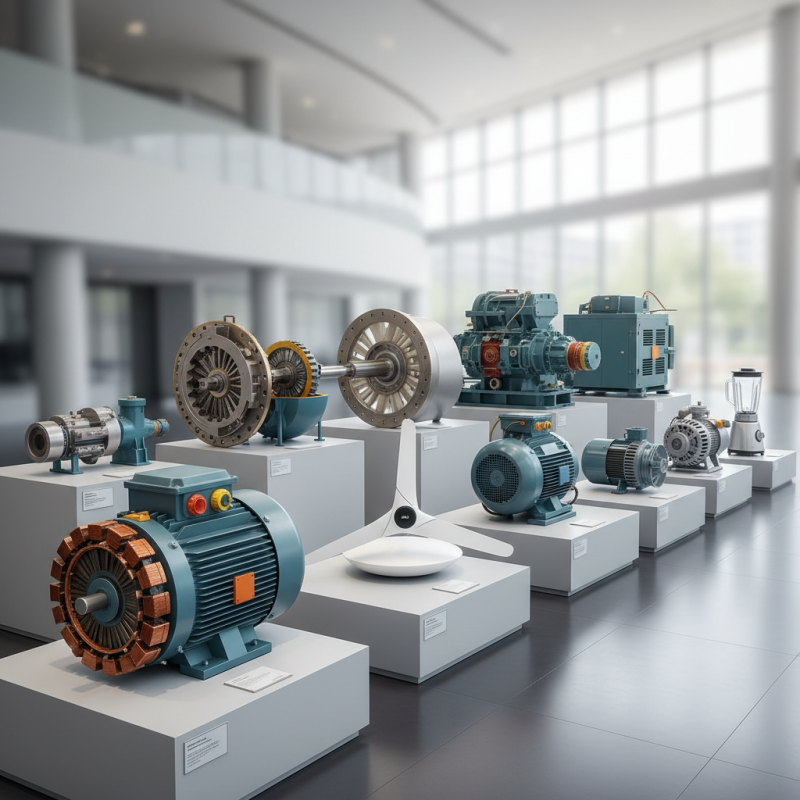
Rotating Machines are essential in many industries. They convert energy into mechanical motion. This category includes motors, generators, and turbines.
In everyday life, we encounter these machines frequently. From the fan that cools us down to the powerful turbines generating electricity, rotating machines play a vital role. However, many overlook their complexity. Understanding their various types can enhance our appreciation and knowledge.
It is crucial to recognize that not all rotating machines operate efficiently. Some may require constant maintenance or may become less effective over time. A deeper awareness fosters improvement. Being informed about the top types can also inspire innovation and better designs in the future.
Types of Rotating Machines: An Overview
Rotating machines come in various types, each playing a vital role in different industries. Common types include motors, generators, and turbines. These machines convert energy from one form to another through rotational motion. For example, electric motors turn electrical energy into mechanical motion, while generators do the opposite.
When dealing with these machines, consider maintenance tips. Regular checks help prevent unexpected failures. Keep an eye on bearing conditions and ensure proper lubrication. It is easy to overlook these aspects, but neglecting them can lead to costly repairs. Small issues can escalate quickly.
Another tip is to measure vibration levels. High vibrations often indicate problems. Instruments can help monitor these levels efficiently. Addressing vibrations early can save time and resources down the line. Reflect on how easy it is to miss these signs amidst daily operations. Stay alert to ensure the longevity of your rotating machines.
Electric Motors: Principles and Applications
Electric motors are a cornerstone of modern machinery. They convert electrical energy into mechanical energy. These machines are widely used in various industries. According to the International Energy Agency, electric motors consume nearly 45% of the world's electricity. This staggering number highlights their importance in energy consumption and efficiency.
Understanding the principles of electric motors is essential. The basic operation involves magnetic fields and coils. When electricity flows through the coils, magnetic fields are created. This interaction causes rotation, powering everything from factory equipment to household appliances. However, not all motors are equally efficient. Some designs suffer from energy losses due to heat and friction. A report by the U.S. Department of Energy indicates that improving motor efficiency by just 1% can lead to significant cost savings over time.
Applications of electric motors are vast and varied. They can be found in electric vehicles, HVAC systems, and robotics. Each application demands specific motor types. For instance, variable-speed motors are increasingly popular in energy management systems. Yet, the need for better sustainability practices remains a challenge. Many industries still rely on outdated technologies, which can hinder progress. As electric motors evolve, attention must be paid to their design and application. This could enhance efficiency and reduce environmental impact.
Turbines: Harnessing Energy from Fluids
Turbines are crucial machines that transform fluid energy into usable power. They are found in various applications, from power plants to aircraft engines. The principle behind turbines is simple: they convert kinetic energy from fluids into mechanical energy. This process involves blades that rotate when fluid flows over them.
Understanding turbines requires grasping fluid dynamics and energy conversion. Different types of turbines function in specific conditions. For instance, steam turbines operate by utilizing high-pressure steam, while gas turbines harness hot gases. Each type has its strengths and weaknesses. Some designs are more efficient, while others can be easier to maintain.
Challenges arise during turbine operation. Efficiency can drop due to wear and tear. Over time, blades may become damaged, reducing performance. Environmental factors also play a role. High temperatures can affect the material integrity. Therefore, regular maintenance is essential to ensure optimal function. Balancing efficiency and practicality in turbine design remains an ongoing conversation in engineering.
Generators: Converting Mechanical Energy to Electricity
Generators play a crucial role in modern energy systems. They convert mechanical energy into electrical energy. This process is fundamental for powering homes, schools, and industries. Generators often use fuel, wind, or water to create movement. This motion drives the generator to produce electricity.
Inside a generator, a rotor spins within a magnetic field. This action creates electrical current through electromagnetic induction. It’s fascinating yet complex. Sometimes, the conversion might not be efficient. Energy loss can occur in various forms, including heat. Regular maintenance is necessary to enhance performance.
Generators come in different sizes and types. Portable models serve small tasks, while large industrial generators supply entire regions. Not all generators are equally reliable. Some may fail during peak loads, leading to blackouts. Engineers must continuously refine these designs. It's a journey filled with challenges and learning opportunities.
Pumps: Mechanisms for Fluid Movement and Control
Pumps play a critical role in fluid movement and control across various industries. According to a report by Research and Markets, the global pump market size is expected to reach over $80 billion by 2027. This significant growth indicates the importance of pumps in modern applications, ranging from water supply to industrial processes.
Different types of pumps, such as centrifugal and positive displacement, serve unique functions. Centrifugal pumps are widely used for their efficiency and capacity to handle large volumes. In contrast, positive displacement pumps excel in high-viscosity applications. Surprisingly, inefficiencies often arise during operation, leading to energy loss and increased costs. A study showed that optimizing pump systems could reduce energy consumption by up to 30%. This highlights the need for industries to evaluate their equipment regularly.
The complexity of pumps also brings challenges. Maintenance is vital yet frequently overlooked. Neglected pumps can lead to failures, costing businesses significantly. A common mistake is ignoring vibration analysis, which can predict potential issues. In this ever-evolving landscape, being proactive about pump management can save both time and resources. The data suggest that preventative measures can prolong pump life and improve reliability.
Conclusion
Rotating machines are integral components in various industrial applications, playing a crucial role in energy conversion and fluid movement. This article highlights the top ten types of rotating machines, beginning with electric motors that convert electrical energy into mechanical motion, widely utilized in countless devices and systems. Turbines follow, which are designed to harness energy from fluids, often used in power generation and various industrial processes.
Additionally, generators are discussed for their function in converting mechanical energy to electricity, essential for supplying power across numerous sectors. Pumps serve as vital mechanisms for fluid movement and control, crucial in water supply and chemical processing. Lastly, fans and blowers enhance airflow in diverse applications, from ventilation systems to cooling solutions. Understanding these rotating machines is fundamental for anyone involved in engineering, manufacturing, or any technology-driven sector.