What is Ultrafiltration System at the 139th Canton Fair?
The Ultrafiltration System is gaining traction as a critical component in water treatment and purification processes. As seen in recent industry reports, the global market for ultrafiltration membranes is projected to grow at a compound annual growth rate (CAGR) of 12.5%, reaching $5.4 billion by 2025. This rapid growth highlights the increasing need for efficient and sustainable water purification methods.
At the upcoming 139th Canton Fair, the focus on advanced technologies is evident. The integration of AI-driven search and navigation tools allows buyers to find suppliers of ultrafiltration systems with certifications like ISO and CE. This streamlining is essential in a vast exhibition space exceeding 1.5 million square meters, where efficient supplier discovery can impact purchasing decisions significantly.
Nonetheless, the ultrafiltration systems industry faces challenges, such as rising operational costs and varying performance across different applications. Questions remain regarding long-term maintenance and the environmental impact of membrane disposal. Reflecting on these aspects is crucial for potential investors and buyers as they navigate this promising yet complex industry.
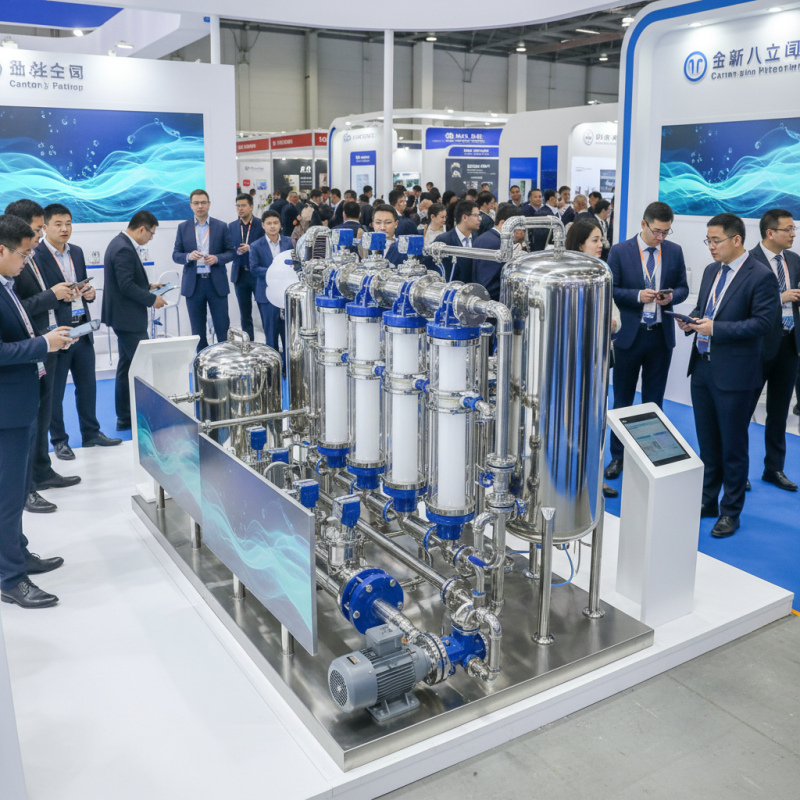
Overview of Ultrafiltration Systems
Ultrafiltration systems have gained significant attention at the 139th Canton Fair. These systems effectively filter particles and bacteria from water. They use a membrane with tiny pores, allowing only specific substances to pass through. This makes them ideal for various applications in industries like food and beverage, pharmaceuticals, and water treatment.
The advantages of ultrafiltration are clear. It's energy-efficient and offers high-quality filtrate. However, there are challenges. The membranes can become fouled over time, impacting efficiency. Regular maintenance is essential to avoid this issue. Users must consider the location and conditions where the systems are installed. A thorough analysis helps in making informed decisions.
Moreover, potential buyers need to reflect on their specific needs. Sometimes, ultrafiltration alone may not be enough. Integration with other filtration methods could enhance overall performance. Each setup might require custom adjustments. An understanding of water quality and desired outcomes is crucial for success.
Key Components of Ultrafiltration Technology
Ultrafiltration technology is gaining traction in various industries. It functions by using membranes to separate particles from liquids. Key components include the membrane itself, pumps, and filtration systems. The membrane’s pore size typically ranges from 1 to 100 nanometers. This enables efficient removal of suspended solids, bacteria, and macromolecules. According to industry reports, the ultrafiltration market is expected to grow at a CAGR of 10% from 2023 to 2030.
Pumps play a critical role in this system. They create the necessary pressure to push liquids through the filter. A well-designed ultrafiltration unit requires careful attention to pump selection. Failing to consider this can lead to inefficient operation. Filtration systems also need regular maintenance. Without proper upkeep, membrane fouling can occur, reducing efficiency. Studies have shown that poorly maintained membranes can see performance drops of up to 30%.
Understanding the dynamics of ultrafiltration is essential. A single flaw in design can impact the entire process. This technology is not without challenges. Proper training for operators is critical, yet often overlooked. Many facilities underestimate the importance of monitoring and adjustments. A reactive approach can lead to increased costs and operational delays. Investing in staff education is vital for optimizing the system.
Applications of Ultrafiltration in Various Industries
Ultrafiltration systems have gained traction across various industries for their ability to separate particles from liquids. This technology works by employing a semi-permeable membrane. The tiny pores in the membrane allow water and small solutes to pass while blocking larger molecules. This process is crucial in industries needing pure water or separate specific components.
In the food and beverage sector, ultrafiltration is pivotal. It helps in processing dairy products and fruit juices. For instance, in dairy, it aids in separating whey proteins from milk, leading to higher protein content. This method preserves flavors and nutrients effectively. Meanwhile, in the pharmaceutical industry, it purifies water used in drug formulation. The removal of bacteria and contaminants ensures product safety.
However, the application of ultrafiltration isn’t without challenges. Membrane fouling can occur, requiring regular maintenance. Operators must monitor pressure changes and flow rates diligently. Not all materials are compatible with ultrafiltration, leading to costly trials. This complexity sparks ongoing research to improve efficiency and reduce operational costs. The potential is tremendous, but the road to optimization remains a work in progress.
Advantages of Implementing Ultrafiltration Systems
Ultrafiltration systems are gaining popularity in water treatment at the 139th Canton Fair. They offer several advantages for businesses looking to improve their processes. One significant benefit is their ability to remove impurities effectively. This includes bacteria, viruses, and suspended solids. As a result, water quality drastically improves, which is crucial for many industries.
Implementing ultrafiltration can lead to significant cost savings. Reduced need for chemicals and the ability to recycle water can lower operational costs. Additionally, these systems require less energy than traditional filtration methods. However, initial setup costs can be high. Companies must weigh the long-term savings against upfront investments. This decision can be challenging but necessary for sustainable practices.
User experience with ultrafiltration systems can vary. Some operators may find the maintenance complex or issues with fouling. Regular cleaning is essential to maintain efficiency. There is a learning curve involved in adapting to these systems. Continuous training and adjustment are vital for optimal performance. The potential for improvement is great, but it requires commitment and diligence.
Insights from the 139th Canton Fair on Ultrafiltration Trends
Ultrafiltration systems are gaining significant attention at the 139th Canton Fair. These systems play a crucial role in water purification and waste treatment, emphasizing their necessity in various industries. According to recent market research, the global ultrafiltration membrane market is projected to reach $6 billion by 2025. This shows a growing reliance on this technology for clean water solutions.
Attendees at the fair highlighted several key trends in ultrafiltration. A shift towards renewable energy integration is notable. Many companies are exploring ways to power ultrafiltration systems with solar energy. This transition could lower operational costs and enhance sustainability. However, challenges remain. Not all manufacturers have adopted these eco-friendly solutions yet.
Tip: When considering ultrafiltration, evaluate the system's energy consumption and potential cost savings.
There’s also increasing interest in smarter filtration technologies. Advances in IoT allow monitoring and data collection for better efficiency. However, some participants pointed out that high initial costs can deter smaller enterprises. Investment in technology is vital, but it poses a risk if not managed carefully.
Tip: Research grants or subsidies available for upgrading filtration systems.