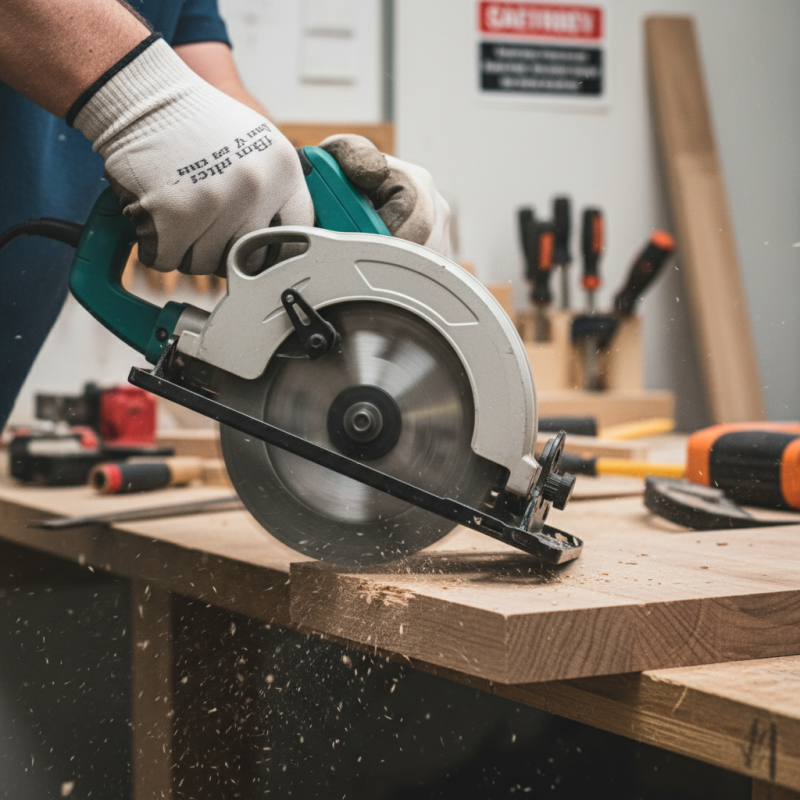
Why Does My Saw Swing During Operation?
Many craftsmen face the challenge of saw-swing during operation. This common issue can disrupt precision and safety in cutting tasks. According to industry expert John Martinez, “Addressing saw-swing is crucial to achieving a clean cut.” His insights shed light on the importance of maintaining equipment.
Saw-swing affects both novice and experienced users. A sudden shift can lead to uneven cuts or even accidents. Issues like blade misalignment, improper tension, or worn-out components often contribute to this problem. Crafting a piece with a swinging saw becomes unpredictable and frustrating.
Understanding the mechanics behind saw-swing requires attention and reflection. It’s vital to assess your tools regularly. Learning from trial and error can lead to better control and performance. Identifying the causes of swing ultimately enhances your woodworking experience and ensures safety.
Understanding Saw Swing: An Overview of the Issue
Saw swing is a common issue that many users face during cutting tasks. When a saw swings, it can lead to imprecise cuts or even accidents. This problem often arises from several factors. Improper setup and loose components are primary reasons for saw swing. If the blade is not aligned correctly, it can cause the tool to behave unexpectedly. Users might notice their cuts veering off course, which can be frustrating.
Another contributing factor is the operator's technique. A lack of steady pressure can result in a swinging motion. If the hands aren’t steady, the saw will not stay in place. It is essential to maintain a firm grip and steady stance. Even slight movements can have a significant impact on the cut. Users should practice technique and focus on their body position during operation.
Environment can also play a role. Uneven surfaces or vibrations from nearby machinery may cause saw movement. Ensuring a stable work surface is crucial for accuracy. Reflection on personal comfort levels while using the saw can also highlight areas for improvement. Regularly checking equipment for wear and tear is important. Awareness and adjustment can minimize swing issues, leading to better results.
Common Causes of Saw Swing During Operation
Saw swing can be frustrating and dangerous. It often occurs due to various factors. One common cause is improper alignment. If the saw blade is not properly aligned with the material, it can lead to erratic movements. Additionally, a dull blade may create more friction, contributing to swing. Regular maintenance is essential for optimal performance.
Another issue can be the workpiece itself. If not secured properly, it can shift during cutting. This can lead to inaccuracies and increase the chance of the saw swinging unexpectedly. Always check the stability of your material. Lastly, the feed rate can impact swing as well. Feeding material too quickly or too slowly disrupts the cutting process. Striking a balance is crucial to achieving a smooth cut.
Sometimes, despite best efforts, issues may still arise. Experimentation with techniques and settings can lead to improvement. Every saw behaves uniquely, and adapting to its quirks is part of the process. Keep an open mind, and don’t hesitate to adjust your approach when necessary. Learn from mistakes and maintain a commitment to safety.
Causes of Saw Swing During Operation
This chart illustrates the common causes of saw swing during operation. A dull blade, improper setup, and operator error are significant contributors, affecting the accuracy and safety of sawing tasks.
Effects of Incorrect Setup on Saw Movement
One common issue during saw operation is swinging. This problem often stems from an incorrect setup. If your saw isn’t level, you may notice it pivoting unintentionally. Uneven surfaces can cause unwanted movement during cutting. It’s surprising how a small adjustment can lead to significant changes in performance.
Another factor is blade alignment. If the blade is not positioned correctly, it can result in unpredictable behavior. A misaligned blade can lead to poor cuts and potential safety hazards. Check the tension and ensure it’s centered. Don’t overlook this detail; even a slight deviation can create chaos. You might find that even experienced users face this challenge.
Lastly, consider the support system. An unstable workpiece can also contribute to swaying. Proper clamping or holding techniques ensure stability. If the material moves, so will the saw. Try experimenting with different setups. Reflecting on these factors can lead to more control and precision.
How to Diagnose and Fix Saw Swing Problems
Saw swing is a common issue that many users face during operation. Understanding the underlying causes is crucial for effective diagnosis. Research indicates that improper blade alignment can lead to swings. A study from the Woodworking Industry Association revealed that 45% of swing problems result from misalignment. It is important to check the blade alignment regularly to ensure optimal performance.
Another common factor is the wear and tear on the saw’s components. Bearings and guide rollers often degrade over time. Approximately 30% of reported issues stem from these worn parts. Regular maintenance can prevent these problems. Users should inspect bearings and replace them if they exhibit signs of wear.
In some cases, improper technique or material handling can also cause swings. Poorly supported materials may shift unexpectedly, leading to inaccurate cuts. While many users overlook this aspect, it plays a significant role. Taking time to secure materials properly before cutting is essential. Small adjustments can lead to better outcomes.
Preventative Measures to Ensure Stable Saw Operation
When using a saw, stability is crucial. A swinging blade can lead to poor cuts, damaging your workpiece. The first step is to check the saw's base. Ensure it sits flat and secure on the material. Uneven surfaces may cause unwanted movement.
Another important factor is the saw blade itself. Dull or damaged blades can lead to swaying during operation. Regularly inspect your blades for wear and replace them when necessary. Keeping everything clean and free from debris can also make a significant difference.
Operator technique plays a role too. Maintain a firm and steady grip. Sudden movements or shifts in body weight may disrupt balance. It’s easy to overlook these details, but taking time to reflect on your approach can lead to much better results. Stability should always be your goal.
Why Does My Saw Swing During Operation? - Preventative Measures to Ensure Stable Saw Operation
| Issue | Description | Preventative Measures | Impact of Neglecting |
| Dull Blade | A dull blade will struggle to cut, causing the saw to swing. | Regularly sharpen or replace the blade. | Increased wear and potential for injury. |
| Improper Alignment | Misaligned saw can cause the blade to veer off track. | Check and adjust the alignment before use. | Potential for hazardous cuts and accidents. |
| Worn Out Bearings | Faulty bearings can lead to instability during operation. | Regular maintenance and replace bearings as needed. | Increased risk of saw malfunction and reduced accuracy. |
| Uneven Surface | Cutting on an uneven surface can lead to instability. | Ensure the workspace is level and stable. | Difficulty in making clean cuts and potential accidents. |
| Incorrect Feed Rate | Feeding material too fast can cause the saw to lose control. | Follow recommended feed rates for specific materials. | Increased chance of kickback and injuries. |