What Is a Ball Valve and How Does It Work?
Ball valves are widely used in water, heating, gas, and industrial piping systems. Their operation is simple, but choosing the right design still requires care. Inside the body, a polished or coated ball contains a hole called a bore. When the handle turns, the stem rotates the ball, changing the flow path. In the open position, the bore lines up with the pipe. A quarter-turn usually closes it. Simple motion.
This article explains the main parts of a ball valve and how they work together. It also introduces common designs, including full-port and reduced-port models. These terms describe the size of the opening through the ball, which can affect flow and pressure loss. Details matter. A valve’s body material, seat material, pressure rating, and connection type should match the system’s conditions. For example, a valve intended for clean water may not suit hot process fluid or frequent operation.
Ball valves are often chosen for dependable shutoff, but they are not automatically the best choice for every task. Standard designs may wear faster when left partly open to control flow; specialized control valves may be better for that duty. This distinction is easy to overlook. Routine inspection can also reveal handle stiffness, leakage, or damaged seals before these issues disrupt a system. The guide that follows covers the working principle, practical selection factors, and basic maintenance considerations, while recognizing that actual requirements vary by application. A manufacturer’s specifications remain essential.
What Defines a Ball Valve and Its Core Function
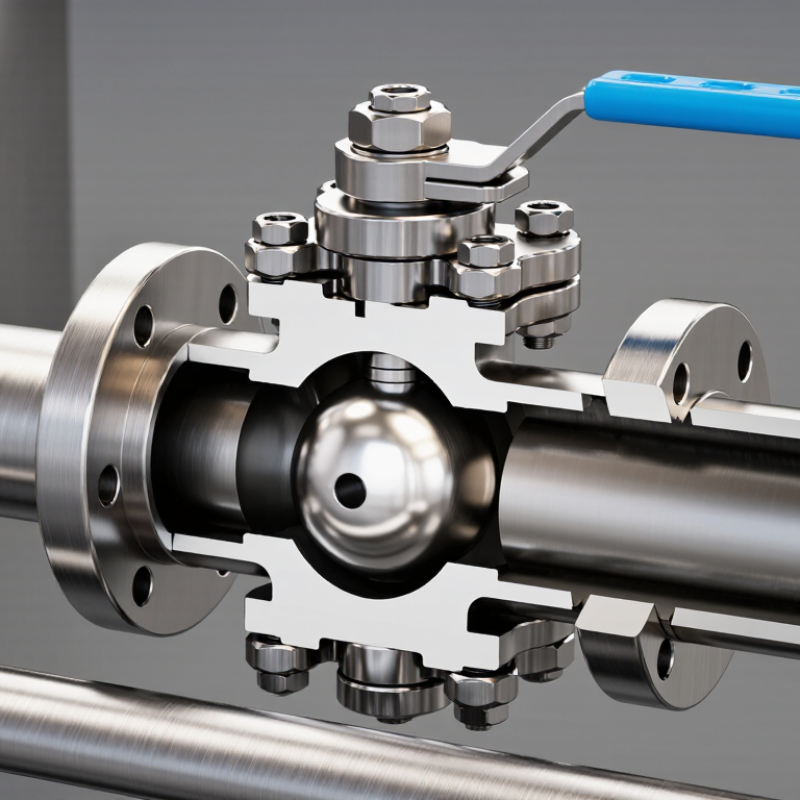
A ball valve is defined by a rounded closure element, called a ball, that turns inside the valve body. A hole through the ball forms the flow passage. When the hole aligns with the pipe, fluid can pass; a quarter-turn places the ball’s solid surface across the passage. This simple movement is the valve’s core function: controlling flow through a compact, quick rotation. Small motion. Clear effect.
Inside the body, seats press against the ball to help limit leakage when the valve is closed. The stem connects the ball to a handle or actuator, so turning the handle changes the opening. In many common designs, the handle sits parallel to the pipe when open and across it when closed. This visual cue is useful, but it does not replace checking the valve’s actual position or condition.
Ball valves are often chosen for on-off service, such as isolating a water line beneath a sink or shutting off a process pipe. Some designs can regulate flow, but prolonged throttling may wear seats or create uneven flow. The neat diagram can be misleading: real performance depends on materials, pressure, temperature, and the fluid involved. I would not assume every ball valve suits every line. A quick turn is convenient, but the right specification still matters.
The Main Parts of a Ball Valve
What Is a Ball Valve and How Does It Work?
The Main Parts of a Ball Valve
A ball valve contains a hollow, rotating ball inside a protective body. The ball’s opening, called a bore, aligns with the pipe when the valve is open. Turn the handle a quarter-turn, and the solid side of the ball blocks the flow. Simple motion, but each part matters. Seats on either side of the ball help form a tight seal and reduce leakage.
The stem links the handle or actuator to the ball. Seals and packing around the stem help prevent fluid from escaping where the stem passes through the body. End connections attach the valve to the pipe; common styles include threaded, flanged, and welded connections. Materials and seat designs vary, so check the valve’s pressure, temperature, and fluid compatibility before installation. A mismatch can cause wear or leaks, even when the valve looks sound.
Tips: Before operating the valve, check its flow direction and pressure rating. Turn the handle fully, rather than leaving it partly open unless the valve is designed for throttling. It’s an easy detail to miss. After installation, inspect joints and the stem area for signs of leakage.
What Is a Ball Valve and How Does It Work? - The Main Parts of a Ball Valve
| Part | Location or Design | Main Function | Practical Notes |
|---|---|---|---|
| Valve Body | The main pressure-containing shell that encloses the internal components. | Houses and protects the ball, seats, and stem, and connects the valve to the piping system. | Common body materials include brass, stainless steel, carbon steel, and plastics such as PVC; material selection depends on the fluid, pressure, temperature, and application. |
| Ball | A spherical closure element inside the body, with a port (bore) through its center. | Opens or blocks the flow path as it rotates. | When the port aligns with the pipeline, flow can pass through. Rotating the ball approximately 90 degrees places its solid surface across the flow path in a typical quarter-turn design. |
| Stem | A shaft connecting the ball to the handle or actuator, passing through the valve body. | Transfers rotational force to turn the ball. | The stem and its sealing arrangement help prevent process fluid from leaking to the outside of the valve. |
| Seats | Rings positioned between the ball and the valve body, usually on either side of the ball. | Support the ball and form a seal against its surface when the valve is closed. | Seats are often made from polymers such as PTFE or from other materials selected for the service conditions and valve design. |
| Body Seals | Sealing elements fitted between assembled sections of the valve body, where applicable. | Help prevent leakage through joints in the valve body. | Their design and material vary with the valve construction and the fluid, pressure, and temperature requirements. |
| Stem Packing and Gland | Packing surrounds the stem where it passes through the body; a gland or packing nut may apply compression. | Seal the stem opening while allowing the stem to rotate. | Some designs allow packing adjustment or replacement; maintenance should follow the valve manufacturer's instructions. |
| Handle or Actuator | Mounted on the stem outside the valve body. | Provides the force needed to rotate the stem and ball. | A manual handle is common on smaller valves. Larger or automated valves may use an electric, pneumatic, or hydraulic actuator. |
| End Connections | At the inlet and outlet of the valve body. | Connect the valve to the piping system. | Common connection types include threaded, flanged, socket-weld, and butt-weld ends. The connection must match the piping and applicable specifications. |
How a Ball Valve Opens, Closes, and Regulates Flow
A ball valve controls flow with a drilled sphere held between sealing seats. In the open position, the hole through the ball lines up with the pipe. Fluid passes through with little obstruction in a full-port design. Turning the handle rotates the ball about a quarter turn, placing its solid side across the passage. That turn is quick. The stem connects the handle or actuator to the ball, while the seats help limit leakage around it. In practice, worn seats or debris can affect shutoff, so a handle position alone does not prove a valve is sealing perfectly.
Flow regulation depends on how far the ball turns. At intermediate positions, the opening narrows and changes the flow rate. Small movements matter. However, a standard ball valve is generally better suited to on-off service than precise throttling. A partly open ball may create a concentrated, fast-moving stream that wears seats or causes noise, especially under high pressure or with abrasive fluids. For frequent adjustment, a control valve or a ball valve designed for throttling may provide steadier control. Operators should consider the fluid, pressure, temperature, and valve design rather than assuming every quarter-turn valve behaves the same.
Common Ball Valve Designs and Their Differences
What Is a Ball Valve and How Does It Work?
Common Ball Valve Designs and Their Differences
A ball valve closes when its drilled ball turns a quarter-turn, placing solid metal across the flow path. Its design affects pressure handling, flow capacity, and maintenance. In a floating-ball valve, line pressure pushes the ball against a downstream seat to form a seal. A trunnion-mounted ball has extra supports, reducing the load on its seats in larger or higher-pressure service. That matters. Neither design is automatically best; operating pressure and valve size should guide selection.
Port shape changes flow, too. A full-port valve has an opening close to the pipe’s inside diameter, while a reduced-port version narrows the passage. V-port designs provide more controlled flow, but standard on-off ball valves are generally poor choices for precise throttling. The U.S. Department of Energy’s 2006 report, Improving Pumping System Performance: A Sourcebook for Industry, notes that pumping systems use nearly 20% of global electricity. That figure describes entire systems, not valves alone, but it highlights why avoidable flow resistance deserves attention.
Tips: Check the valve’s pressure and temperature ratings, seat material, and flow direction before installation. For frequent maintenance, a three-piece body can simplify service without removing connected pipework. Still, access and clearance are easy to overlook. A quick check of the piping layout can prevent a frustrating installation.
Where Ball Valves Are Used and How They Are Selected
A ball valve uses a drilled sphere to control flow. A quarter-turn handle aligns the opening with the pipe or turns it across the flow. This quick action makes ball valves useful for isolation in water lines, heating systems, compressed-air circuits, and many process installations. They are commonly placed near equipment that needs maintenance, such as a pump or filter. Access matters. A handle boxed behind a pipe is difficult to operate safely.
Choosing a valve starts with the fluid and operating conditions. Check the valve body and seal materials against the fluid, temperature, and pressure. A valve suited to clean water may not suit a hot, abrasive, or chemically active medium. Match the connection type and size to the pipe, and confirm the required pressure rating. Fit is not enough. Consider whether the line needs a full-bore opening to limit flow restriction, or whether a reduced bore is acceptable.
Manual handles work well where operators can reach them. Actuators may be appropriate when valves are remote or need automatic control. Also check how often the valve will operate and whether it must provide tight shutoff. Trapped liquid can expand between a closed ball and the valve body, so some services need a specific design. Selection is rarely perfectly tidy; field space, maintenance access, and future changes can complicate the specification. Small details count. A qualified engineer can verify the final choice against the system requirements.
Related Posts
-
China Best Ball Valves for Global Buyers What to Look For
-
Top Quality Ball Valves for Global Buyers in China?
-
2026 Top Ball Valves Types You Need to Know?
-
2026 Best Ball Valves for Industrial Applications?
-
Why Choose Ball Valves for Your Plumbing Needs?
-
How to Choose the Right Ball Valves for Your Needs?