
China Top 10 Pressure Relief Valve Manufacturers
Pressure relief valves protect equipment when pressure rises beyond a safe operating limit. In factories, power plants, water systems, and process facilities, correct valve selection can help reduce damage and unplanned downtime. Yet a familiar product name is not enough. Buyers need to check set pressure, discharge capacity, connection size, body material, temperature range, and compatibility with the working fluid. Small details matter.
China has a broad industrial supply base, but manufacturers vary in product focus, engineering depth, testing practices, and export support. This guide introduces ten Chinese manufacturers associated with pressure relief valve production and related flow-control equipment. It is intended as a practical starting point, not a substitute for technical review. The right choice depends on the actual service conditions. A valve suitable for clean water may not suit hot steam or a corrosive process. That distinction is easy to overlook.
For a meaningful comparison, readers should examine published specifications, material options, quality-control procedures, test documentation, and the company’s ability to provide application guidance. Ask for evidence, not only a polished catalogue. Where possible, confirm that the selected model matches the system design and relevant project requirements. No ranking can fit every buyer. Some company details may also change, so verify current product information directly with each manufacturer before making a decision.
Pressure Relief Valves: Definition, Purpose, and Main Types
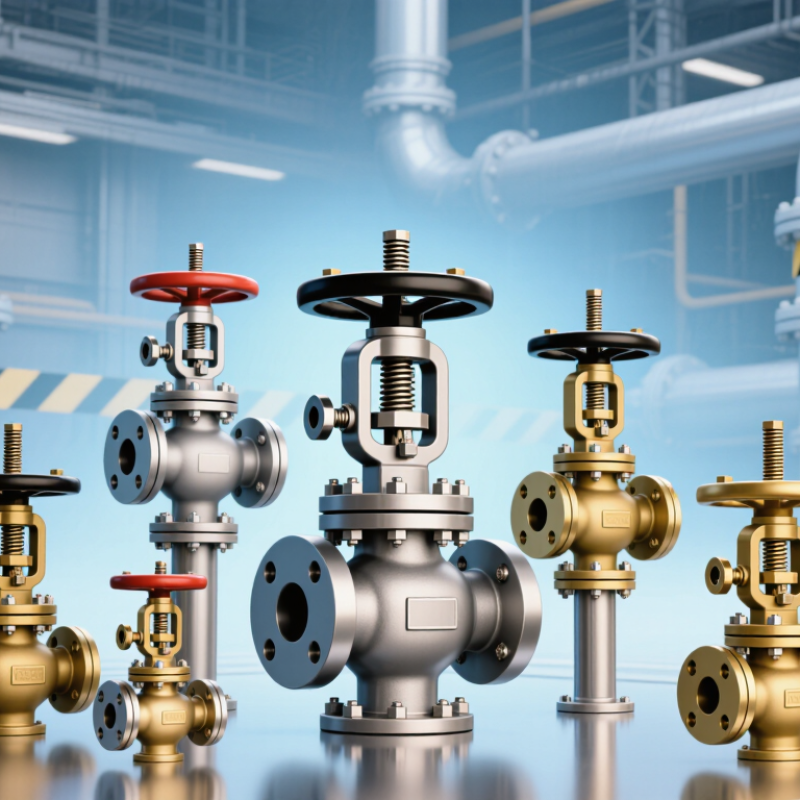
A pressure relief valve is a mechanical safety device that opens when system pressure reaches a preset limit. It releases fluid or gas to reduce pressure, then closes as pressure falls. This helps protect pipes, vessels, and connected equipment from overload. Small details matter: a blocked outlet or incorrect setting can affect performance. No valve fixes a poorly designed system.
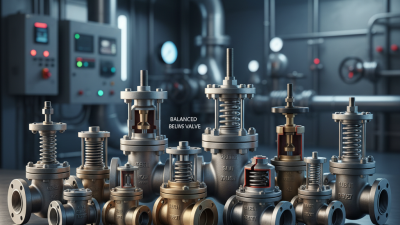
Common designs include spring-loaded, balanced-bellows, and pilot-operated valves. Spring-loaded models use a spring to hold the valve closed until pressure overcomes its force. Balanced-bellows designs help limit the effects of backpressure. Pilot-operated valves use system pressure to control opening and can suit some higher-pressure applications. The right choice depends on the medium, operating pressure, temperature, required flow capacity, and outlet conditions. Selection can look straightforward on paper, but real operating conditions may expose assumptions.
Tips: Check the set pressure, material compatibility, and discharge piping before installation. Keep the inlet clear, and follow the manufacturer’s testing and maintenance instructions. Record test results. A clean-looking valve is not proof that it will open correctly.
China’s Pressure Relief Valve Industry and Its Key Markets
China’s pressure relief valve industry serves a broad industrial base, from chemical processing and power generation to water treatment and general manufacturing. Demand is shaped by expanding facilities, equipment upgrades, and the need to manage overpressure safely. In coastal industrial zones, process plants often require valves suited to corrosive fluids and changing operating temperatures. The details matter.
Key markets differ in their operating conditions. Power facilities may prioritize stable discharge performance under heat and pressure, while water systems focus on dependable protection for pumps and pipelines. Chemical plants need careful material selection and compatibility checks. In oil, gas, and related processing, engineers assess pressure settings, flow capacity, and installation conditions together. A valve that works well on a test bench may still perform poorly if the system layout is misunderstood.
For buyers, useful evidence includes pressure and capacity test records, material specifications, and clear maintenance guidance. Suppliers should explain how products are selected for the stated medium and operating range, rather than relying on broad claims. Local manufacturing can support shorter lead times, but quality still varies. That deserves a closer look. Engineers should verify documentation and discuss inspection needs before installation; small specification gaps can become costly later.
China Top 10 Pressure Relief Valve Manufacturers - China’s Pressure Relief Valve Industry and Its Key Markets
China’s pressure relief valve industry serves a broad range of process and infrastructure sectors. The table below summarizes key application markets and typical equipment-protection needs; it is an industry overview, not a ranked manufacturer list.
| Key Market | Typical Protected Equipment | Common Pressure-Relief Application | Important Selection Considerations | Typical Market Drivers |
|---|---|---|---|---|
| Oil and Gas Production | Separators, pressure vessels, gas-processing equipment, and production piping | Protection against pressure exceeding the allowable limits of process equipment | Operating pressure, fluid composition, corrosion, temperature, required relieving capacity, and discharge routing | Field development, gas processing, equipment upgrades, and process-safety requirements |
| Pipeline and Gas Transmission | Compressor stations, pressure-reduction facilities, and associated vessels | Overpressure protection for equipment exposed to pressure-control failures or abnormal operating conditions | Gas properties, pressure range, capacity, backpressure, outlet arrangement, and applicable pipeline requirements | Pipeline construction, network expansion, and maintenance of existing transmission infrastructure |
| Oil Refining | Process vessels, heat exchangers, columns, and refinery piping | Protection of equipment that may experience blocked outlets, thermal expansion, or other credible overpressure scenarios | Relieving scenario, fluid phase, temperature, fouling or corrosion potential, and compatibility with the discharge system | Refinery maintenance, capacity changes, process upgrades, and safety-system improvement |
| Petrochemicals and Chemicals | Reactors, separators, storage vessels, and chemical-process equipment | Pressure relief for process equipment handling gases, vapors, or liquids | Material compatibility, toxicity or flammability, phase behavior, set pressure, and safe disposal of relief flows | New process facilities, product-line expansion, and replacement of service-worn equipment |
| Power Generation | Boilers, steam systems, pressure vessels, and auxiliary equipment | Steam and pressure-system protection designed for the applicable equipment and operating conditions | Steam conditions, required capacity, discharge piping, operating pressure, and relevant boiler or pressure-vessel codes | Power-plant construction, overhaul cycles, efficiency projects, and equipment-life extension |
| Liquefied Natural Gas (LNG) | Cryogenic storage tanks, LNG process equipment, and associated pressure systems | Protection of cryogenic or low-temperature equipment from overpressure, including pressure rise from heat ingress where applicable | Low-temperature material suitability, vapor generation, pressure and temperature range, and discharge-system design | LNG terminal development, storage capacity additions, and upkeep of existing facilities |
| Water and Wastewater | Pumping systems, pressure vessels, and liquid-filled pipeline sections | Relief of excess liquid pressure; thermal relief may be used where liquid is trapped and can expand as it warms | Liquid compatibility, flow capacity, system pressure, installation arrangement, and appropriate return or discharge location | Water-treatment investment, network renewal, and industrial water-system projects |
| Pharmaceuticals and Food Processing | Process vessels, sanitary equipment, and clean utility systems | Overpressure protection for process or utility equipment where hygienic design is required | Product-contact material, cleanability, connection design, operating conditions, and applicable hygiene requirements | Facility construction, production-line modernization, and stricter quality-control needs |
| Pulp and Paper | Digesters, steam systems, pressure vessels, and process piping | Protection of equipment operating with steam, process fluids, or pressurized vessels | Temperature, fluid characteristics, corrosion or deposits, required relieving capacity, and maintenance access | Mill modernization, equipment replacement, and improvements to plant reliability |
| Metallurgy and Mining | Industrial boilers, hydraulic or utility systems, pressure vessels, and gas-handling equipment | Overpressure protection selected for the particular pressure system and its credible operating scenarios | Dust or corrosive environments, fluid compatibility, pressure range, vibration, and inspection requirements | New industrial projects, mine and plant upgrades, and maintenance of heavy-process facilities |
Design note: Valve type, set pressure, sizing, materials, and discharge arrangements must be determined from the specific equipment design, fluid properties, and credible overpressure scenarios. Relevant references may include applicable editions of ASME Boiler and Pressure Vessel Code Section VIII and API 520, API 521, API 526, and API 527, where appropriate to the service and jurisdiction.
Criteria for Evaluating Leading Chinese Manufacturers
Selecting leading Chinese pressure relief valve manufacturers requires more than comparing catalogue prices. Grand View Research estimated the global industrial valves market at USD 78.4 billion in 2023, but that broad figure does not prove any supplier’s valve performance. Buyers should request traceable material certificates, calibrated test-bench records, and documented set-pressure results. Check whether tests cover the proposed valve size, spring range, and service temperature. ISO 4126 provides relevant requirements for safety devices, while independent inspection can help verify reported results. Small details matter. A polished certificate is not a substitute for a repeatable test.
Assess engineering depth and production consistency alongside compliance documentation. China’s National Bureau of Statistics reported national R&D spending of 3.33 trillion yuan in 2023, or 2.64% of GDP; this is useful context, not evidence of an individual manufacturer’s capability. Ask suppliers for design-change records, batch-level inspection data, and references from comparable operating conditions. Review response times for technical questions and replacement-part availability, too. No scorecard is perfect. Test results can also vary with the medium, temperature, and installation, so factory data should be checked against the actual duty.
Profiles of 10 Notable Pressure Relief Valve Manufacturers in China
A useful profile of ten Chinese pressure relief valve manufacturers should compare engineering strengths, not imply a verified ranking. Grand View Research’s Industrial Valves Market report valued the global market at USD 79.4 billion in 2023 and projected 4.8% annual growth from 2024 to 2030. That broad category includes many valve types, so it is context, not a pressure-relief forecast. Buyers should still check material certificates, set-pressure test records, and service references. Paper claims are easy.
The ten profiles can focus on distinct capabilities. One manufacturer may specialize in spring-loaded valves for petrochemical lines; another, in pilot-operated designs for stable high-pressure service. A third may supply boiler safety valves, while a fourth focuses on low-pressure storage tanks. Others may emphasize cryogenic duty, corrosion-resistant trim, or custom sizing for compact equipment. One profile could examine production testing and traceability; another, export support and documentation. A final profile might assess repair access and spare-part availability. These are comparison lenses, not verified company identities. A polished catalog tells only part of the story. Test data and field history matter more. One limitation remains: without comparable public records, “notable” can reflect visibility rather than proven performance.
China Pressure Relief Valve Manufacturers: Pressure Unit Reference
Pressure values are shown in psi after conversion from bar using 1 bar = 14.5038 psi. This is a general unit-conversion reference, not a specification or rating for any manufacturer or valve.
Comparing Manufacturers by Products, Certifications, and Service
A useful comparison of China’s top 10 pressure relief valve manufacturers starts with the operating duty, not catalog size. Buyers should match pressure range, orifice size, body material, and capacity data to the actual process conditions. Grand View Research’s Industrial Valves Market Size, Share & Trends Analysis Report estimated the broader industrial valve market at USD 78.4 billion in 2023, with a projected 4.3% compound annual growth rate from 2024 to 2030. That figure covers industrial valves generally, not pressure relief valves alone. Numbers need context. For each supplier, request model-specific capacity curves and test records, rather than relying on general product claims.
Certifications deserve careful checking. ISO 9001 concerns quality management; it does not, by itself, verify a valve’s performance. Ask whether relevant approvals and code compliance apply to the exact model, manufacturing site, and pressure range. Where applicable, review material traceability, inspection records, set-pressure results, and seat-leakage test evidence. That matters. Service is easier to judge through specifics: response times, spare-part availability, commissioning support, and access to technicians familiar with the installation. A certificate may look reassuring while leaving a practical gap. Compare the scope and expiry of documents, and confirm what support is available after delivery.
Related Posts
-
Top Strategies for Maximizing the Efficiency of Pressure Relief Valves
-
China Best Pressure Relief Valve Manufacturer?
-

How to Choose the Right Relief Valve for Your Industrial Needs
-
What is a Relief Valve and How Does It Work?
-
How to Choose the Right Relief Valve for Your Needs?
-
Top 10 Relief Valve Types You Need for Your Business?