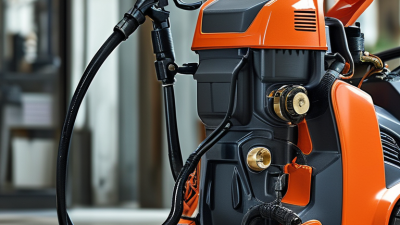
7 Tips for Choosing a Pressure Washer Pump?
Choosing a pressure washer pump can feel like a simple matter of matching pressure ratings. It isn’t quite that simple. A pump must suit the washer’s engine or motor, frame, fittings, and intended workload. A mismatch may cause poor performance, excess heat, or premature wear. The numbers matter. Check both gallons per minute and pounds per square inch, since pressure alone does not describe cleaning capacity.
These seven tips will help you compare pump types, rated output, drive style, construction, and maintenance needs. Look closely at the equipment label and owner’s manual before shopping. A triplex pump, for example, may offer serviceable components, while an axial-cam model may better suit occasional residential use. Neither is automatically right for every washer. That part is easy to overlook.
Also consider how long the washer typically runs, what water supply it requires, and whether replacement parts are available. Confirm shaft size, mounting pattern, and inlet connections with the manufacturer’s specifications; similar-looking parts are not always compatible. Be cautious with advertised maximum figures, which may not reflect continuous operating conditions. A lower-cost pump can seem like a bargain until installation requires extra parts or repairs arrive early. I’d pause before buying based on price alone. The right choice depends on the whole machine, not one impressive number. These practical checks offer a clearer starting point, though your washer’s manual should guide the final decision.
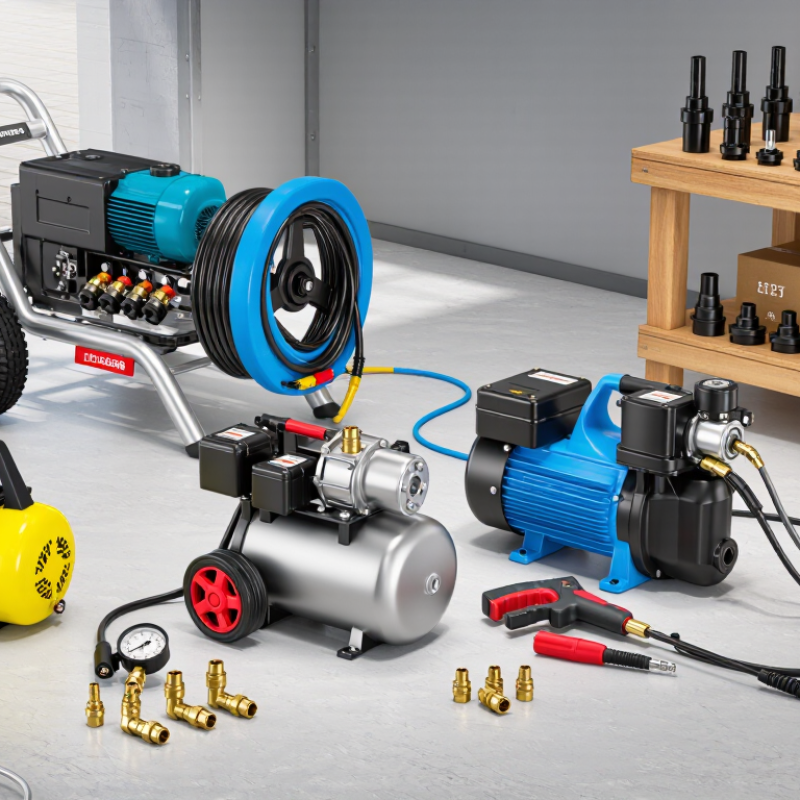
Identify Required Pressure and Flow: Compare PSI and GPM Ratings
When choosing a pressure washer pump, compare both PSI and GPM with the work you plan to do. PSI describes water pressure; GPM measures how much water flows each minute. Higher PSI can help loosen stubborn grime, while greater flow can rinse larger areas faster. A common mistake is chasing the biggest PSI number. Numbers matter. A pump’s listed rating may not match its output once installed, so check the washer’s operating specifications, not just a headline figure.
Compare the pump’s pressure and flow ratings with the machine’s requirements and the surface being cleaned. Delicate siding or painted wood may need lower pressure, while a broad concrete path can benefit from more flow. Read the equipment manual, and confirm that the pump, motor, hoses, and fittings are rated to work together. If either PSI or GPM falls short, cleaning may take longer; if pressure exceeds component limits, parts can wear or fail. Also consider the nozzle, since it changes pressure at the cleaning surface. Still, ratings can mislead. Allow for a little uncertainty, and choose a pump that meets the actual task without pushing every component to its maximum.
7 Tips for Choosing a Pressure Washer Pump
Identify Required Pressure and Flow: Compare PSI and GPM Ratings
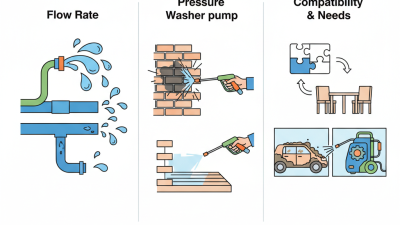
These indicative starting points show how pressure (PSI) and water flow (GPM) can vary by cleaning task. Choose a pump that meets both requirements, and check the surface, nozzle, and equipment specifications before use.
Calculate Cleaning Units: PSI × GPM ÷ 1,000
7 Tips for Choosing a Pressure Washer Pump?
Calculate Cleaning Units: PSI × GPM ÷ 1,000
Cleaning units (CU) combine pressure and water flow into one quick comparison. Power Washers of North America (PWNA) training guidance uses the PSI × GPM ÷ 1,000 calculation. For example, a pump delivering 2,000 PSI at 2.0 GPM produces 4 CU. At the same flow, 3,000 PSI produces 6 CU. The arithmetic is simple. The choice is not. A higher CU figure does not guarantee faster cleaning on every surface.
Check the pump’s rated PSI and GPM together, then compare them at the operating pressure you expect to use. A mismatch can mislead: the pump may advertise a high peak PSI, while its usable flow is lower. Read the technical data sheet, and confirm whether figures describe pump output or the complete washer. Hose length, nozzle size, and wear can also reduce performance at the surface. Think of a dirty concrete step: flow helps carry loosened grit away, while pressure helps break its hold. Too much pressure may damage softer material. CU is a useful starting point, not a complete test of cleaning performance. It’s easy to overvalue one number. Check the work, too.
Choose Pump Design: Compare Axial-Cam and 3-Plunger Triplex Pumps
An axial-cam pump uses pistons arranged around a rotating shaft, making the assembly compact and often economical for intermittent cleaning. A three-plunger triplex pump moves water through three reciprocating plungers, typically offering steadier output and more serviceable wear parts. Neither design is automatically better. The U.S. Department of Energy’s Improving Pumping System Performance sourcebook reports that pumping systems use nearly 20% of global electricity; that broad figure is not pressure-washer-specific, but it highlights why operating efficiency matters.
Tips: Match the pump’s rated pressure and flow to the washer, not just its peak-pressure figure. Check the duty cycle, inlet-water requirements, and whether seals and valves can be replaced. For occasional patio rinsing, compact axial-cam construction may be sufficient. For frequent, extended use, a triplex design may justify its higher initial cost. Compare specifications carefully.
In real use, nozzle choice and water supply affect performance as much as pump design. A restricted inlet can cause cavitation and premature wear. Keep the inlet hose short, inspect its filter, and avoid running the pump dry. I would still verify service intervals in the manual; operating conditions vary, and published life estimates can be optimistic.
Match Pump Speed and Drive Type to the Engine or Motor
A pressure washer pump must run within its rated shaft speed, not simply at the engine’s or motor’s maximum RPM. Many washer pumps use positive-displacement plungers: flow rises roughly with pump speed, while working pressure depends on nozzle demand and the unloader setting. Check the pump nameplate and drive specifications together. A 3,450-RPM motor paired with a 2:1 belt reduction, for example, turns the pump at about 1,725 RPM. Confirm that this falls within the pump’s approved range. Check the nameplate.
Drive type matters, too. Direct drive is compact, but it couples pump speed to engine speed and can transmit more vibration. Belt drive allows speed reduction and can soften vibration, but pulley alignment and belt tension need regular checks. A worn belt can slip, hiding a speed mismatch. The U.S. Department of Energy’s 2006 Improving Pumping System Performance sourcebook reports that centrifugal-pump flow, head, and power change approximately with speed, speed squared, and speed cubed, respectively. Those affinity laws should not be applied directly to a plunger pump; its displacement and pressure behavior differ. Still, the report is a useful reminder that speed changes can sharply affect power demand in centrifugal systems. Match rated pump RPM, required flow, and available engine or motor power, then verify operating speed with a tachometer under load. I’d recheck after changing pulleys. Small detail, big consequence.
Verify Rated Duty Cycle, Water Temperature, and Service Requirements
Before choosing a pressure washer pump, match its rated duty cycle to the work you expect to do. A pump designed for intermittent cleaning may overheat during long, repeated passes, even when its pressure rating seems adequate. Check the stated run-and-rest limits rather than relying on PSI alone. Small jobs differ. Cleaning a patio in short sections is not the same as washing equipment for an hour. Keep the manual for your exact pump; duty-cycle guidance varies by design.
Water temperature matters too. Confirm the permitted inlet temperature, and do not assume hot-water capability from a metal body or high pressure. Warm feed water can affect seals and lubrication, while excess heat may shorten service life. Then check service requirements: oil type and interval, if applicable, inlet-screen cleaning, seal inspection, and replacement-part availability. These details sound minor. They aren’t. A clogged screen or overdue oil change can turn a routine wash into a noisy, uneven job. Note service intervals and inspect for leaks after use; missed maintenance is easy to excuse when the pump still starts. That assumption deserves a second look.